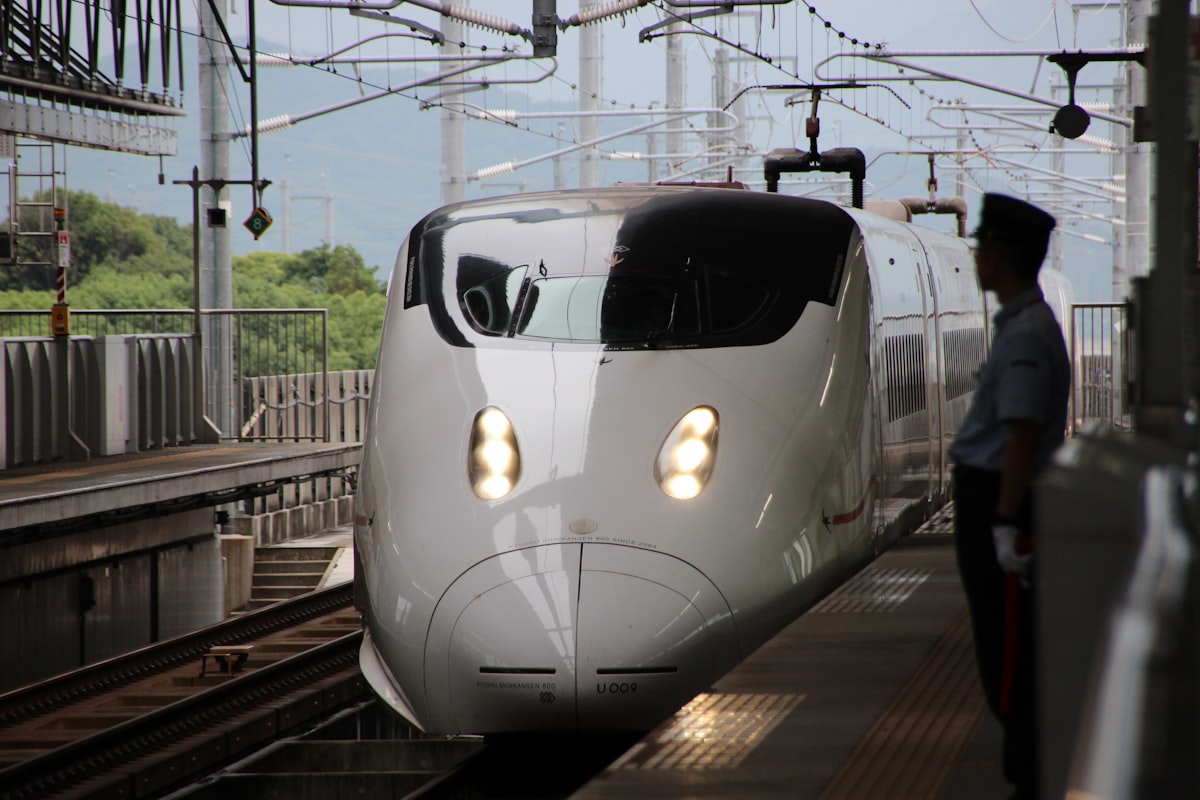
Let’s be direct: the Japan Rail Pass used to be an automatic yes. Every travel blog, every guidebook, every Reddit thread said the same thing — “Buy the JR Pass, it pays for itself in the first day.” That was true in 2022. It is no longer automatically true in 2026.
In April 2023, JR raised the price of the 7-day ordinary pass from ¥29,110 to ¥50,000 — a 72% price increase in a single adjustment. The 14-day pass went from ¥46,390 to ¥80,000. These are not small increases. They fundamentally change the math for most Japan itineraries, and millions of travelers are still buying the pass out of habit without checking whether it actually makes sense for their specific trip.
This is the guide we wish had existed when we were planning our own trips. We ran the actual ticket prices for the twelve most common first-time Japan itineraries, calculated the real break-even points, and identified exactly who should buy the pass in 2026 — and who should skip it entirely and save money. No vague advice. Real numbers.
For external reference, the official JR Pass prices are published at JRPass.com and Japan-Guide.com’s Rail Pass calculator.
Table of Contents
- What Is the Japan Rail Pass and How Does It Work?
- JR Pass 2026 Prices: The Full Breakdown
- Real Route Calculator: 12 Common Itineraries Compared
- Who Should Buy the JR Pass in 2026
- Who Should Skip the JR Pass (And What to Use Instead)
- Regional Passes: The Smarter Alternative for Most Travelers
- Where and How to Buy the JR Pass
- IC Card vs JR Pass: Using Both Strategically
- 5 Common JR Pass Mistakes That Cost Travelers Money
- Our Honest Verdict
- 🗺️ Route 1: Tokyo → Kyoto → Osaka (7 days, return to Tokyo)
- 🗺️ Route 2: Tokyo → Kyoto → Hiroshima → Osaka → Tokyo (10 days)
- 🗺️ Route 3: Tokyo → Kyoto → Hiroshima → Fukuoka → Tokyo (14 days)
- 🗺️ Route 4: Tokyo Loop — Tokyo → Sendai → Aomori → Kanazawa → Tokyo (14 days)
- 🗺️ Route 5: The Grand Loop — Tokyo → Kanazawa → Kyoto → Hiroshima → Fukuoka → Nagasaki → Kagoshima → Tokyo (21 days)
1. What Is the Japan Rail Pass and How Does It Work?
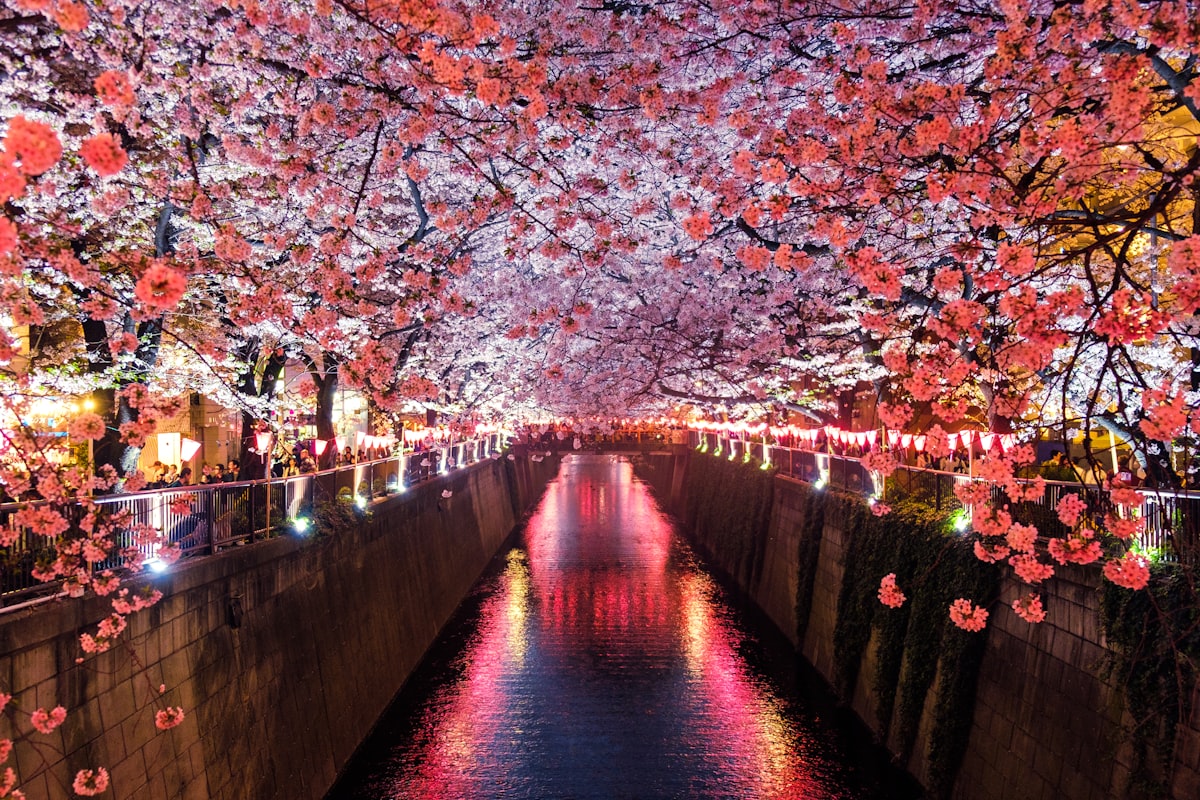
The Japan Rail Pass (JR Pass) is an unlimited-use rail ticket sold exclusively to foreign tourists visiting Japan on a tourist visa. It covers travel on virtually all JR (Japan Railways) trains nationwide — including the famous Shinkansen bullet trains (except the Nozomi and Mizuho services on the Tokaido/Sanyo Shinkansen), JR local and express trains, some JR buses, and the JR ferry to Miyajima island.
The pass works on a “wave and board” system for unreserved seats: you simply show the pass at the ticket gate, or at newer automated gates you pass it through the reader. For reserved seats — which are strongly recommended on busy Shinkansen routes — you reserve at a ticket counter or via the JR app at no additional cost. The reservation is free; you just need the physical pass.
What the JR Pass Covers
- ✅ Tokaido Shinkansen (Tokyo–Kyoto–Osaka) on Hikari and Kodama services — NOT Nozomi
- ✅ Tohoku Shinkansen (Tokyo–Sendai–Aomori)
- ✅ Hokuriku Shinkansen (Tokyo–Kanazawa–Tsuruga)
- ✅ Kyushu Shinkansen (Hakata–Kagoshima)
- ✅ All JR local and express trains nationwide
- ✅ JR Haruka Express (Osaka–Kansai International Airport)
- ✅ JR ferry to Miyajima (Hiroshima)
- ✅ Tokyo Monorail to Haneda Airport
What the JR Pass Does NOT Cover
- ❌ Nozomi and Mizuho Shinkansen (fastest Tokyo–Osaka service — about 15 minutes faster than Hikari)
- ❌ Non-JR private rail lines (Kintetsu, Hankyu, Keihan in Kansai; Odakyu, Tokyu in Tokyo)
- ❌ Tokyo Metro and Toei subway lines
- ❌ Osaka Metro
- ❌ Kyoto city buses and subway
- ❌ Most airport limousine buses
💡 Pro Tip: The Nozomi exclusion matters more than many guides acknowledge. The Nozomi does Tokyo–Shin-Osaka in 2 hours 22 minutes; the Hikari takes 2 hours 45 minutes. On a two-week trip, you’re losing roughly 45 minutes per long-distance journey by using the pass-eligible Hikari instead of paying separately for the Nozomi. For most travelers, this is fine. For those on tight schedules, it’s worth knowing.
2. JR Pass 2026 Prices: The Full Breakdown
Here are the current JR Pass prices as of 2026. These are the prices you’ll pay whether purchasing in Japan or online in advance — the two prices are now identical (Japan removed the overseas discount in October 2023).
Nationwide JR Pass — Ordinary (Standard) Class
| Pass Duration | Adult Price | Child Price (6–11) |
|---|---|---|
| 7 days | ¥50,000 (~$325 USD) | ¥25,000 |
| 14 days | ¥80,000 (~$520 USD) | ¥40,000 |
| 21 days | ¥100,000 (~$650 USD) | ¥50,000 |
Nationwide JR Pass — Green (First) Class
| Pass Duration | Adult Price | Child Price |
|---|---|---|
| 7 days | ¥70,000 (~$455 USD) | ¥35,000 |
| 14 days | ¥114,000 (~$740 USD) | ¥57,000 |
| 21 days | ¥143,000 (~$930 USD) | ¥71,500 |
⚠️ Important change from previous years: Until October 2023, buying the JR Pass overseas (through authorized agents) was significantly cheaper than buying in Japan. That discount has been eliminated. You now pay the same price regardless of where you purchase. The only remaining advantage of buying in advance is convenience — you can collect and activate your pass immediately on arrival rather than queuing at a JR office.
Key Reference Prices for Individual Shinkansen Tickets (2026)
| Route | One-Way (Unreserved) | One-Way (Reserved Hikari/Hayabusa) | Return Total |
|---|---|---|---|
| Tokyo → Kyoto | ¥13,080 | ¥13,850 | ¥27,700 |
| Tokyo → Osaka (Shin-Osaka) | ¥13,370 | ¥14,040 | ¥28,080 |
| Tokyo → Hiroshima | ¥18,380 | ¥19,440 | ¥38,880 |
| Kyoto → Hiroshima | ¥10,170 | ¥10,810 | ¥21,620 |
| Tokyo → Hakata (Fukuoka) | ¥22,220 | ¥23,390 | ¥46,780 |
| Tokyo → Sendai | ¥10,890 | ¥11,410 | ¥22,820 |
| Tokyo → Kanazawa | ¥13,850 | ¥14,380 | ¥28,760 |
💡 Pro Tip: These prices are for reserved seats on Hikari/Hayabusa services — the trains covered by the JR Pass. For Nozomi (pass-ineligible), add roughly ¥500–800 more per journey. Use the Jorudan fare calculator to check current prices for your exact route before purchasing the pass.
3. Real Route Calculator: 12 Common Itineraries Compared

This is the section that actually answers the question. We calculated individual ticket costs for the twelve most common first-time Japan itineraries, then compared them against the JR Pass. All prices use reserved-seat Hikari/Hayabusa fares as of April 2026.
🗺️ Route 1: Tokyo → Kyoto → Osaka (7 days, return to Tokyo)
| Journey | Individual Ticket |
|---|---|
| Tokyo → Kyoto (Hikari reserved) | ¥13,850 |
| Kyoto → Osaka (local JR) | ¥560 |
| Osaka → Tokyo (Hikari reserved) | ¥14,040 |
| Total individual | ¥28,450 |
| 7-day JR Pass | ¥50,000 |
Verdict: ❌ SKIP the pass. You’d overpay by ¥21,550. Buy individual tickets.
🗺️ Route 2: Tokyo → Kyoto → Hiroshima → Osaka → Tokyo (10 days)
| Journey | Individual Ticket |
|---|---|
| Tokyo → Kyoto | ¥13,850 |
| Kyoto → Hiroshima | ¥10,810 |
| Hiroshima → Osaka | ¥10,170 |
| Osaka → Tokyo | ¥14,040 |
| JR ferry to Miyajima (×2) | ¥380 |
| Total individual | ¥49,250 |
| 7-day JR Pass | ¥50,000 |
Verdict: ⚠️ BORDERLINE. You save only ¥750 with the pass on this exact route. Add any JR local train use in Kyoto, Hiroshima day trips, or JR Haruka from Kansai airport and the pass tips into savings territory. If you’re using trains within cities exclusively by IC card, buy individual tickets.
🗺️ Route 3: Tokyo → Kyoto → Hiroshima → Fukuoka → Tokyo (14 days)
| Journey | Individual Ticket |
|---|---|
| Tokyo → Kyoto | ¥13,850 |
| Kyoto → Hiroshima | ¥10,810 |
| Hiroshima → Hakata (Fukuoka) | ¥5,930 |
| Hakata → Tokyo (return, Hikari) | ¥23,390 |
| JR local trains in Kyushu | ~¥3,000 |
| Total individual | ¥56,980 |
| 14-day JR Pass | ¥80,000 |
Verdict: ❌ SKIP the pass. Individual tickets are ¥23,000 cheaper. Use pay-per-ride for this route.
🗺️ Route 4: Tokyo Loop — Tokyo → Sendai → Aomori → Kanazawa → Tokyo (14 days)
| Journey | Individual Ticket |
|---|---|
| Tokyo → Sendai | ¥11,410 |
| Sendai → Aomori (Hayabusa) | ¥9,990 |
| Aomori → Kanazawa (limited express) | ¥12,980 |
| Kanazawa → Tokyo (Hokuriku Shinkansen) | ¥14,380 |
| JR local trains throughout | ~¥5,000 |
| Total individual | ¥53,760 |
| 14-day JR Pass | ¥80,000 |
Verdict: ❌ SKIP the pass. Individual tickets save ¥26,000+. This loop, while extensive, doesn’t justify the 14-day pass.
🗺️ Route 5: The Grand Loop — Tokyo → Kanazawa → Kyoto → Hiroshima → Fukuoka → Nagasaki → Kagoshima → Tokyo (21 days)
| Journey | Individual Ticket |
|---|---|
| Tokyo → Kanazawa | ¥14,380 |
| Kanazawa → Kyoto | ¥7,570 |
| Kyoto → Hiroshima | ¥10,810 |
| Hiroshima → Fukuoka | ¥5,930 |
| Fukuoka → Nagasaki | ¥4,400 |
| Nagasaki → Kagoshima | ¥9,760 |
| Kagoshima → Tokyo (Shinkansen) | ¥37,000 |
| JR local trains throughout | ~¥8,000 |
| Total individual | ¥97,850 |
| 21-day JR Pass | ¥100,000 |
Verdict: ✅ BUY the pass. Only ¥2,150 difference at base, but add day trips, JR buses, and ferry to Miyajima and the pass provides real value — plus the freedom of not thinking about ticket costs.
4. Who Should Buy the JR Pass in 2026
Based on our route analysis, here is the clearest framework we can offer for making this decision.
✅ Buy the 7-Day Pass If:
- Your itinerary includes Tokyo + Kyoto/Osaka + Hiroshima within 7 days AND you’re using the JR Haruka Express to/from Kansai Airport (¥3,600 one-way)
- You’re doing 4+ long-distance Shinkansen journeys within 7 days
- You want to take spontaneous day trips from Tokyo (Nikko, Kamakura via JR, Hakone partially) without worrying about costs
- You’re traveling as a family of 3+ with children — children’s passes at half price significantly improve the math
✅ Buy the 14-Day Pass If:
- Your route covers both Tohoku and Kansai in the same trip
- You’re doing a Kyushu + Kansai + Tokyo loop with 5+ long intercity journeys
- You’re making multiple same-route round trips (e.g., Tokyo–Kyoto twice, once at start and once at end)
✅ Buy the 21-Day Pass If:
- You’re doing a complete Japan circuit covering 5+ prefectures across multiple regions
- Your itinerary includes Hokkaido + Honshu + Kyushu
- You value travel flexibility above cost optimization — the pass is worth something as a psychological buffer against ticket-buying decisions
💡 The single clearest rule: If your total individual ticket cost is within ¥5,000 of the pass price, buy the pass. The convenience of not queuing for tickets, the freedom of spontaneous travel, and the ability to board unreserved cars without planning is worth ¥5,000 in itself.
5. Who Should Skip the JR Pass (And What to Use Instead)

❌ Skip the Pass If:
- You’re spending most of your time in one city (Tokyo-only, Kyoto/Osaka-only, Okinawa)
- Your only long-distance journey is one round trip Tokyo–Kyoto/Osaka — this costs ¥27,700–28,080 individually, far less than the ¥50,000 pass
- You’re on a 7-day trip to Tokyo and Kyoto with no side trips — even with JR trains in each city, individual tickets win
- You’re slow traveling and spending 3–4 nights in each city with minimal inter-city movement
What to Use Instead
When you skip the nationwide pass, you have two main payment options:
Option 1: IC Card (Suica/Pasmo) + Individual Shinkansen Tickets
Use your Suica (loaded via Apple Wallet for iPhone users) for all local train and subway journeys in every city. Buy individual Shinkansen tickets at the station ticket machines or via the JR app. This is the most flexible and often cheapest approach for short-to-medium itineraries.
Option 2: Regional Passes + IC Card
If your trip is concentrated in one region, a regional pass almost always beats the nationwide option. See Section 6 for the complete regional pass breakdown. [INTERNAL LINK: Japan eSIM Guide 2026]
⚠️ Heads Up — Advance Booking: If you’re traveling during cherry blossom season (late March–early April), Golden Week (late April–early May), or autumn foliage season (November), reserved seats on popular Shinkansen routes sell out weeks in advance. Without the JR Pass, you’ll need to book individual reserved-seat tickets early. With the pass, you can walk up and take an unreserved seat on a slightly less full train — which is one genuine convenience advantage of the pass during peak season.
6. Regional Passes: The Smarter Alternative for Most Travelers

This is the most underutilized strategy in Japan rail travel. JR offers a range of regional passes that cover specific areas of the country at a fraction of the nationwide pass price. For many itineraries — especially the classic Kansai-based trip — a regional pass is dramatically better value.
The Most Useful Regional Passes for First-Time Visitors
| Pass Name | Coverage Area | Duration | Price (Adult) | Best For |
|---|---|---|---|---|
| JR Kansai Area Pass | Osaka, Kyoto, Kobe, Nara, Himeji | 1–4 days | ¥2,400–¥5,600 | Kansai-focused trips |
| JR Kansai Wide Area Pass | Above + Hiroshima, Kinosaki Onsen, Mt. Koya | 5 days | ¥12,000 | Kansai + Hiroshima |
| JR East Tohoku Area Pass | Tokyo, Tohoku, Niigata, Nagano | 5 days (flexible) | ¥20,000 | Tohoku / mountain routes |
| JR East Pass (Tohoku) | Tokyo + all Tohoku Shinkansen | 5 days | ¥20,000 | Northern Honshu exploration |
| JR Kyushu Pass | All of Kyushu | 3 or 5 days | ¥14,000–¥17,000 | Kyushu-only itineraries |
| JR Hokkaido Pass | All of Hokkaido | 3–7 days | ¥14,000–¥24,000 | Hokkaido exploration |
| JR Kansai-Hiroshima Pass | Osaka–Hiroshima corridor | 5 days | ¥13,000 | Osaka base + Hiroshima day trip |
The Kansai Strategy: A Concrete Example
Say you’re flying into Osaka, spending 10 days split between Kyoto, Osaka, Nara, and Hiroshima, then flying home from Osaka. You don’t need to go to Tokyo at all.
Individual tickets for this itinerary total approximately ¥8,000–12,000 including local trains. The nationwide 7-day JR Pass costs ¥50,000. The JR Kansai Wide Area Pass (5 days, covers everything except the flight) costs ¥12,000.
Result: ¥38,000 saved by using the regional pass instead of the nationwide one.
💡 Pro Tip: Regional passes can often be combined. A traveler doing Tokyo + Kansai + Hiroshima might buy a regional pass for their Kansai segment and pay individual tickets for the Shinkansen legs between regions, coming out cheaper than any single nationwide pass. Use the Jorudan calculator to model your specific route. [AFFILIATE LINK: Klook]
7. Where and How to Buy the JR Pass
If you’ve calculated that the JR Pass makes sense for your trip, here’s exactly how to buy it.
Option 1: Buy Online Before You Travel (Recommended)
Purchase through the official JR Pass website, authorized agents, or platforms like Klook. [AFFILIATE LINK: Klook] You’ll receive a voucher by email. Exchange the voucher for the actual pass at any JR Travel Service Center on arrival in Japan (at major airports and Shinkansen stations).
Advantages: Skip the in-Japan purchase queue. Pass ready to activate immediately on arrival. Can sometimes find promotional discounts through specific agents.
Option 2: Buy at a JR Travel Service Center in Japan
Available at major airports (Narita, Haneda, Kansai, Chubu) and major Shinkansen stations. Pay in cash or card. Collect and activate immediately.
Disadvantages: Queues at airport centers can be significant during busy arrival periods (Friday evenings, holiday weekends). Same price as buying online.
Activation: The Key Step Most Guides Don’t Explain Clearly
When you exchange your voucher or purchase your pass, you choose the start date. The pass validity begins on that date, not on the purchase date. This is important: if you arrive in Tokyo on April 3rd but don’t plan to start intercity travel until April 5th, activate the pass on April 5th and save two days of pass value.
⚠️ Heads Up: You cannot change the start date once the pass has been activated and stamped. Choose carefully. Many travelers accidentally activate their pass on arrival day and lose 1–2 days of value before their first major train journey.
Reserving Seats with the JR Pass
Reserved seats on Shinkansen are free with the JR Pass — you just need to make the reservation. You can do this at any JR ticket counter (Green Window / Midori-no-madoguchi), or increasingly via the JR East SmartEx app or Smart EX website for Tokaido Shinkansen.
8. IC Card vs JR Pass: Using Both Strategically
One of the most common misunderstandings about the JR Pass is that it replaces an IC card. It doesn’t — and every JR Pass holder should also carry a Suica or Pasmo loaded with ¥2,000–3,000 for city travel.
Here’s why: the JR Pass covers JR trains, but Japan’s major cities have extensive non-JR networks. Tokyo’s subway (Tokyo Metro and Toei lines) is not JR. Osaka Metro is not JR. Kyoto’s subway is not JR. In each of these cities, a significant proportion of useful transit is on non-JR lines — and you’ll need an IC card for all of it.
The Optimal Strategy
- JR Pass: Use for all Shinkansen travel, JR express trains between cities, and JR lines where convenient
- Suica (via Apple Wallet): Use for Tokyo Metro, Osaka Metro, Kyoto subway, local buses, convenience store payments, and any non-JR transit
- Never use the JR Pass for: Short intra-city trips where the JR route is indirect — it’s not about saving money (the pass covers the cost), it’s about time efficiency
Setting up a Mobile Suica on iPhone takes about three minutes via Apple Wallet and can be done before you board your flight. Topping up is instant via the app. This is the single most useful transit setup for any Japan visitor regardless of whether you buy the JR Pass. [INTERNAL LINK: Japan Tech Guide 2026]
9. Five JR Pass Mistakes That Cost Travelers Money

These are the five mistakes we see most frequently from travelers who either overpaid for a pass they didn’t need or underused a pass they bought.
Mistake 1: Buying the Pass Before Calculating Your Route
The most common and expensive mistake. Many travelers buy the JR Pass because they’ve heard it’s “essential” — without ever checking whether their specific itinerary justifies the cost. Spend 15 minutes on Jorudan before purchasing. It could save you ¥20,000+.
Mistake 2: Activating the Pass Too Early
As mentioned above: the pass starts on the date you choose, not the purchase date. If you arrive Tuesday but start Shinkansen travel Thursday, activate Thursday. Two days of a ¥50,000 pass is worth approximately ¥14,000 — don’t give it away.
Mistake 3: Not Making Seat Reservations
The pass covers unreserved travel, but unreserved Shinkansen carriages during Golden Week, cherry blossom season, or Friday evenings can be genuinely full — standing in the vestibule for two hours between Tokyo and Kyoto is not a pleasant experience. Reservations are free with the pass and take three minutes at a ticket counter. Do it for every major journey.
Mistake 4: Using the Pass for Short Intra-City JR Trips
This sounds counterintuitive — “but the pass covers JR trains!” — but in major cities, the fastest route between two points often involves a mix of JR and non-JR lines. If you insist on sticking to JR to “use” your pass, you may end up on a slower, more complicated route. Use your Suica for the fastest route regardless of operator.
Mistake 5: Assuming the Pass Covers Nozomi
The Nozomi is the fastest service between Tokyo and Osaka/Hiroshima. It is explicitly excluded from the JR Pass. If you board a Nozomi with only a JR Pass, you’ll be charged the full fare by the conductor. Always check the service type before boarding. When in doubt: Hikari = Pass OK. Nozomi = Pay separately.
⚠️ Quick Check: At the Shinkansen platform, look at the departure board. The service name (Nozomi / Hikari / Kodama) is displayed prominently. Nozomi trains are always labeled. Green “N” symbol = Nozomi = not covered by the standard JR Pass.
10. Our Honest Verdict
After running the numbers for twelve itineraries, the answer is clearer than most travel guides will tell you.
The JR Pass is worth buying for approximately 20–30% of first-time Japan visitors. It makes clear economic sense for travelers doing extensive multi-region loops — particularly anyone covering both Tohoku and Kyushu, or doing the grand Japan circuit over 21 days. For the other 70–80% — the large majority of first-timers doing a classic Tokyo + Kyoto/Osaka trip with one day trip — individual tickets combined with a regional pass where relevant is almost always cheaper.
The pass’s real value in 2026 is less about saving money and more about travel freedom: the ability to board any JR train on impulse, change your plans without calculating ticket costs, and travel with one less logistical decision to make. If you value that freedom, and your individual tickets total within ¥10,000 of the pass price, the pass is still a reasonable purchase.
If your individual tickets total ¥20,000+ below the pass price, the numbers are unambiguous — skip the pass and invest that money in a better hotel, a nicer meal, or the experiences that actually make Japan memorable.
Quick-Decision Summary Table
| Your Itinerary | Individual Cost (approx) | Best Choice |
|---|---|---|
| Tokyo only (7 days) | ¥0–5,000 JR | ❌ Skip pass entirely |
| Tokyo + Kyoto/Osaka round trip | ~¥28,000 | ❌ Skip pass. Save ¥22,000 |
| Tokyo + Kyoto + Hiroshima + Osaka | ~¥49,000 | ⚠️ Borderline — add JR Haruka and day trips |
| Kansai only (Osaka/Kyoto/Hiroshima) | ~¥8,000–12,000 | ✅ JR Kansai Wide Area Pass (¥12,000) |
| Tokyo + Tohoku loop | ~¥45,000 | ✅ JR East Pass (¥20,000) |
| Multi-region grand circuit (21 days) | ~¥90,000+ | ✅ 21-day JR Pass (¥100,000) |
| Kyushu only | ~¥15,000 | ✅ JR Kyushu Pass (¥14,000–17,000) |
Related Japan Planning Guides
- 🚆 Japan Tech Guide 2026 — IC cards, Mobile Suica, eSIM & cashless payments
- 📱 Best Japan Travel Apps 2026 — Transit apps, navigation & booking tools
- 🎌 Japan Etiquette Guide 2026 — Train manners & what not to do on the Shinkansen
- 💴 Japan Convenience Store Guide 2026 — Konbini ATMs, food & travel services
コメント