Japan is one of the most rewarding first-time destinations in the world — endlessly fascinating, surprisingly easy to navigate, and packed with experiences you simply cannot get anywhere else. But with so much to see, a well-researched 10-day itinerary is essential to avoid wasted time and missed highlights.
This guide is built on analysis of the most popular Japan travel routes, crowd patterns, and insider tips from travelers who have done this trip multiple times. It goes beyond the standard “visit Senso-ji and Fushimi Inari” advice to give you specific timing, honest budget estimates in USD and JPY, and the kind of detail you only get from experience.
Why This Route Works
This itinerary follows Japan’s famous “Golden Route” — the most popular first-timer path — while adding Hiroshima and Miyajima, which the majority of top-ranking travel guides include as essential. Unlike budget-only or luxury-only guides, this covers all budget levels with honest USD pricing. Every timing recommendation is based on real crowd patterns, not guesswork.
- Before You Go: Non-Negotiables
- Arrive in Tokyo — Orientation & Shinjuku/Shibuya
- Tokyo: East Side — Asakusa, teamLab Planets, Akihabara
- Tokyo: West Side — Harajuku, Shibuya Crossing, Shimokitazawa
- Day Trip from Tokyo — Kamakura (Recommended) or Nikko
- Hakone — Mt. Fuji Views, Volcanic Valley, Onsen
- Travel to Kyoto + Fushimi Inari, Gion, Pontocho
- Kyoto: Arashiyama, Kinkaku-ji, Tea Ceremony
- Nara Day Trip — Deer, Great Buddha, Ancient Temples
- Hiroshima + Miyajima — Japan’s Most Moving Day Trip
- Osaka — Food, Dotonbori, Departure
- Transport Guide for This Itinerary
- Budget Breakdown (10 Days)
- What to Pack
- Top Tips for Your 10-Day Japan Trip
- Frequently Asked Questions
Before You Go: Non-Negotiables
Sort these before your flight lands — they make a significant difference to your experience:
- JR Pass — Buy before you leave home. It cannot be purchased in Japan at the standard price. For this route (Tokyo > Hakone > Kyoto > Hiroshima > Osaka), a 7-day JR Pass (approx. $320 USD / 50,000 yen) saves significant money on Shinkansen alone. Buy the JR Pass on Klook.
- IC Card (Suica or Pasmo) — For local trains, buses, and convenience stores. Get one at the airport on arrival. Read our complete IC Card guide.
- Pocket WiFi or SIM Card — Google Maps is essential for Japan navigation. Check our Japan apps guide for recommendations.
- Book teamLab ASAP — This sells out weeks in advance. Book the moment you confirm your travel dates. Do not wait.
- Cash in yen — Japan is still largely cash-based outside major tourist areas. Withdraw at 7-Eleven or Japan Post ATMs.
- Download before arrival — Google Maps offline for Tokyo, Kyoto, and Osaka. Google Translate with camera mode (essential for menus).
Arrive in Tokyo — Orientation & Shinjuku/Shibuya
Most international flights land at Narita (NRT) or Haneda (HND). Haneda is 30 minutes from central Tokyo — take the Keikyu Line or Tokyo Monorail (~600 yen on IC card). From Narita, take the N’EX (Narita Express) to Shinjuku (~3,070 yen, ~55 min). Budget option: Keisei Skyliner to Nippori (~2,570 yen).
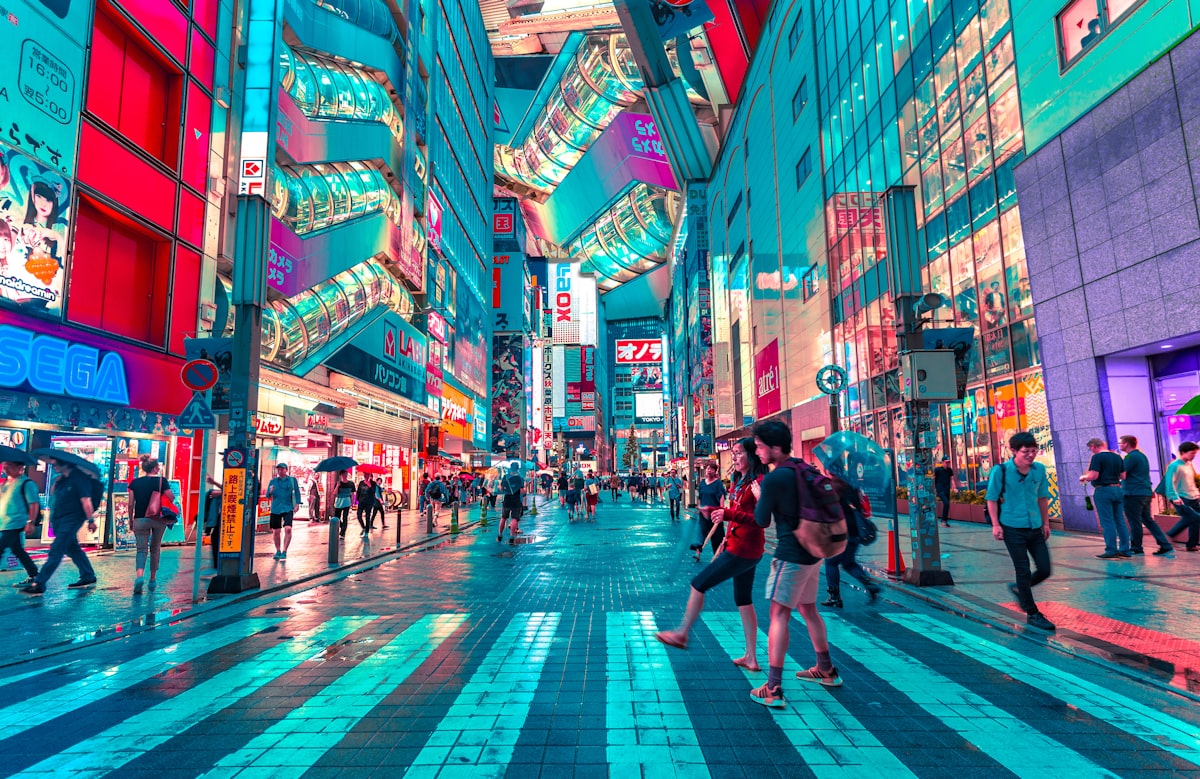
- Evening: Shinjuku’s east exit area — Walk the neon-lit streets of Kabukicho and find a ramen or izakaya spot for dinner. This is your “welcome to Tokyo” moment. The energy here is like nowhere else on Earth.
- Night view (free): The Tokyo Metropolitan Government Building observation deck in Shinjuku is free and gives panoramic city views until 10:30pm.
Tokyo: East Side — Asakusa, teamLab Planets, Akihabara
- 7-8am: Senso-ji Temple, Asakusa — Arrive before the crowds. By 10am it gets very busy. The Nakamise shopping street and Kaminarimon gate are magical in the early morning light. Free entry.
- Morning: Akihabara — 15 min from Asakusa. Whether you love electronics, manga, or anime, this is a world unto itself. Walk the main street and duck into multi-story game arcades.
- Afternoon: teamLab Planets, Toyosu — One of Tokyo’s most extraordinary experiences: walking through immersive digital art installations, including a room where you wade through water with giant flowers projected around you. Book weeks ahead. Tickets ~4,000 yen ($25 USD). Book teamLab Planets on Klook. Pro tip: Go early (opening) or late afternoon to avoid the longest queues inside.
- Evening: Ueno or Koenji — Ueno Park and Ameyoko Market for street food. Or head to Koenji for a more local Tokyo bar scene.
Tokyo: West Side — Harajuku, Shibuya Crossing, Shimokitazawa
- Morning: Meiji Shrine, Harajuku — A vast, peaceful forested shrine in the middle of the city. Arrive early (before 9am) to experience genuine tranquility before tour groups arrive. Free entry.
- Late morning: Takeshita Street — Japan’s quirky fashion street. Worth 20-30 minutes. Try a crepe from Marion Crepes — the original, opened in 1976.
- Midday: Omotesando — Tokyo’s most sophisticated shopping boulevard. Great architecture (the Prada building, Omotesando Hills). Window-shop at luxury brands or duck into the side streets for independent cafes.
- Afternoon: Shibuya Crossing — Walk through the world’s busiest pedestrian crossing. For aerial views, visit Shibuya Sky observation deck (~2,500 yen). Book in advance — it sells out.
- Evening: Shimokitazawa — The coolest neighborhood in Tokyo right now. Vintage clothing shops, independent coffee bars, tiny live music venues. Far more authentic than tourist-heavy areas. Take the Odakyu Line from Shinjuku (15 min).
teamLab, Shibuya Sky, and popular experiences sell out weeks ahead.
Browse Tokyo Activities on Klook →
Day Trip from Tokyo — Kamakura (Recommended) or Nikko
Tokyo day trips are underrated. Break the city pattern on Day 4 with one of these options:
Option A: Kamakura (Best for First-Timers)
Kamakura is home to the iconic Great Buddha (Daibutsu) — a 13m bronze statue you can enter for 300 yen — plus ancient Zen temples and a charming coastal town. The hike from Kita-Kamakura to Kamakura through cedar forests passes four excellent temples and takes about 2 hours. Take the JR Yokosuka Line from Tokyo (~90 min, ~920 yen one way, covered by JR Pass). Guided Kamakura tour from Tokyo — good option if you want context without researching everything yourself.
Option B: Nikko
A UNESCO World Heritage site with elaborate gilded shrines (Toshogu Shrine) set in mountain forests. Best in autumn (October-November) when the foliage is stunning. About 2 hours from Tokyo’s Asakusa Station by Tobu Line, or from Ueno by JR (JR Pass valid).
Hakone — Mt. Fuji Views, Volcanic Valley, Onsen
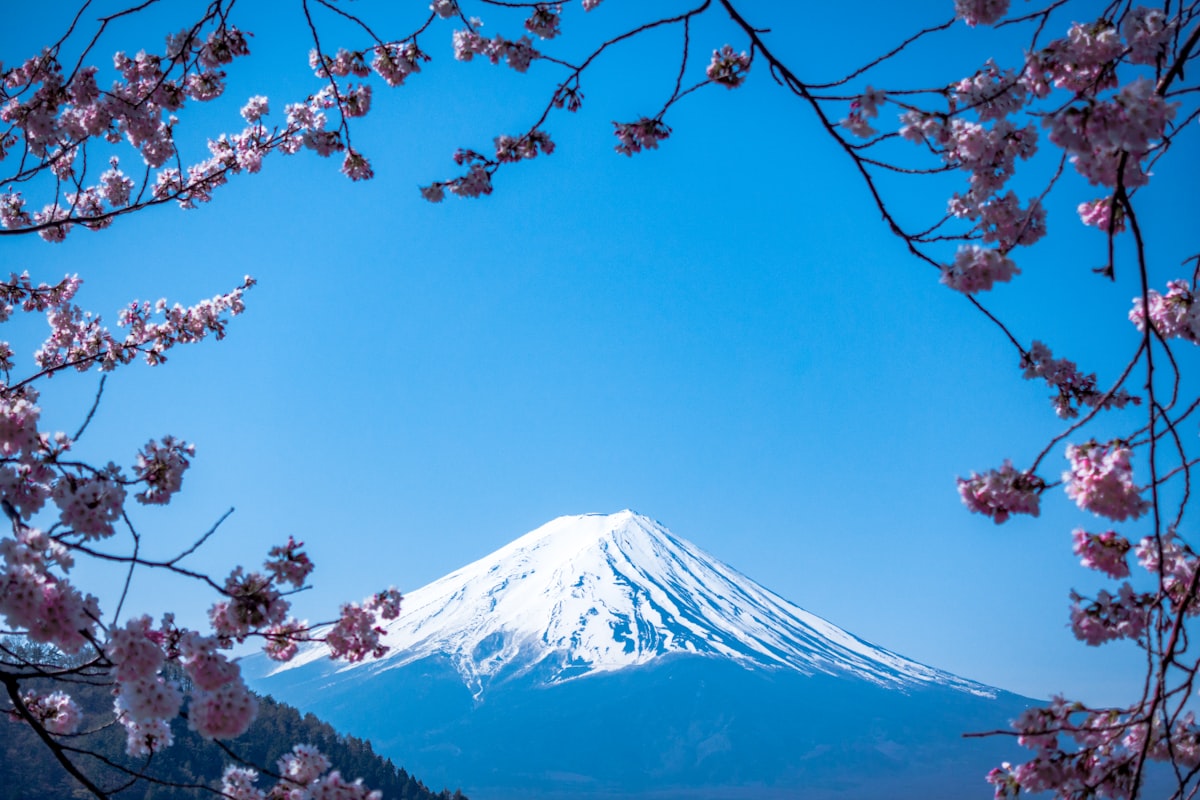
Hakone is Japan’s premier onsen destination — a volcanic region with hot spring baths, views of Mt. Fuji reflected in Lake Ashi, and traditional ryokan (inn) experiences. Staying overnight is strongly recommended; day trippers miss the best of it.
- Getting there: Odakyu Romancecar from Shinjuku to Hakone-Yumoto (~85 min, ~2,470 yen + limited express fee). Book seats in advance on the Odakyu website. Alternatively, take the JR Line to Odawara (JR Pass valid) and then the Hakone Tozan train.
- Owakudani Valley — Active volcanic area with dramatic steam vents. Try the famous black sulfur eggs (kuro tamago) — legend says each one extends your life by 7 years. Views of Mt. Fuji on clear days. Access via ropeway (~1,800 yen return).
- Lake Ashi Cruise — A short pirate-ship cruise with Mt. Fuji as a backdrop (weather permitting). Hakone day trips from Tokyo that include the cruise are popular on Klook.
- Evening: Onsen ryokan — Soak in the hot springs, put on a yukata robe, and enjoy a kaiseki multi-course dinner. This is one of Japan’s defining travel experiences. Budget option: use a public day-use onsen facility (~1,500-2,500 yen). Full ryokan stay: from ~15,000 yen/person including dinner and breakfast.
Travel to Kyoto + Fushimi Inari, Gion, Pontocho
Take the Shinkansen from Odawara Station (near Hakone) to Kyoto (~160 min, covered by JR Pass on the Hikari service). Arrive by early afternoon and head straight out to sightsee.
- Late afternoon (4-6pm): Fushimi Inari Taisha — Thousands of vermilion torii gates winding up a forested mountain. Free entry, open 24/7. The famous photo spot is 20 min walk from the base. Go at 4-6pm to avoid peak crowds — mornings (especially 9am-2pm) are extremely crowded. The full hike to the summit and back takes 2-3 hours; even 45 minutes up the trail is rewarding.
- Evening: Nishiki Market — Kyoto’s narrow covered market selling pickles, fresh seafood, matcha sweets, and street food. Best visited between 5-7pm when the market is still open but less crowded than midday. Try the grilled squid skewers and tofu doughnuts.
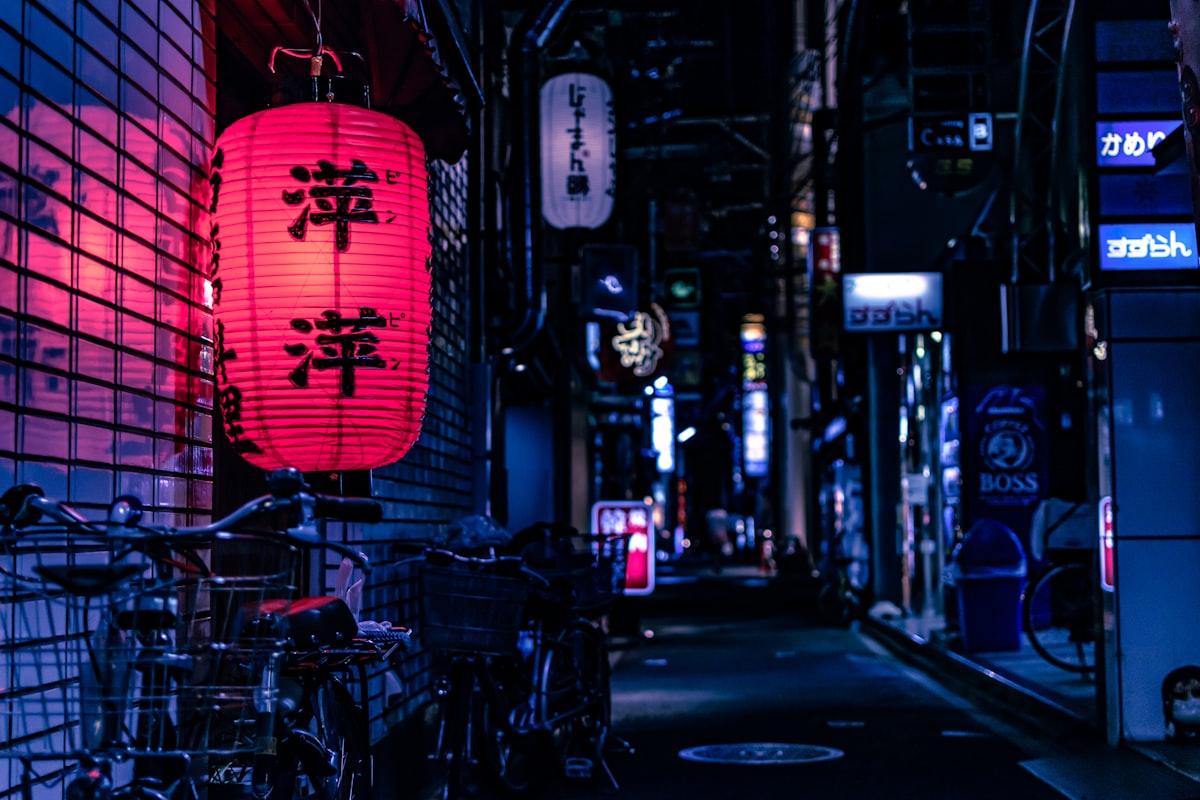
- Night: Gion district — Kyoto’s famous geisha district. Stroll the stone-paved Hanamikoji Street in the evening for the best atmosphere. Between 6-8pm you have a real (if small) chance of spotting a geiko or maiko hurrying to an appointment. Respect their privacy — no flash photography, no blocking their path.
Kyoto: Arashiyama, Kinkaku-ji, Tea Ceremony
- Before 8am: Arashiyama Bamboo Grove — One of Japan’s most photographed spots. Arrive before 8am to experience the bamboo with almost no crowds — it’s a completely different experience from the packed midday visit. The grove takes about 20 minutes to walk through. Free entry. Combine with Tenryu-ji garden (500 yen) and Iwatayama Monkey Park (550 yen, views over Kyoto from the top).
- Midmorning: Kinkaku-ji (Golden Pavilion) — The gold-leafed temple reflected in a still pond is one of Japan’s most iconic images. Entry 500 yen. Arrive early to beat tour groups. The garden circuit takes 20-30 minutes.
- Mid-afternoon: Ryoan-ji Temple — Famous for its minimalist Zen rock garden (15 rocks arranged so that from any angle, one is always hidden). A meditative counterpoint to the glamour of Kinkaku-ji. Entry 600 yen.
- Late afternoon: Tea Ceremony — Many studios near Gion offer 45-minute authentic tea ceremony experiences. Book a Kyoto tea ceremony on Klook (from ~3,000 yen). You’ll learn the history of the ceremony, prepare your own matcha, and eat traditional Japanese sweets (wagashi).
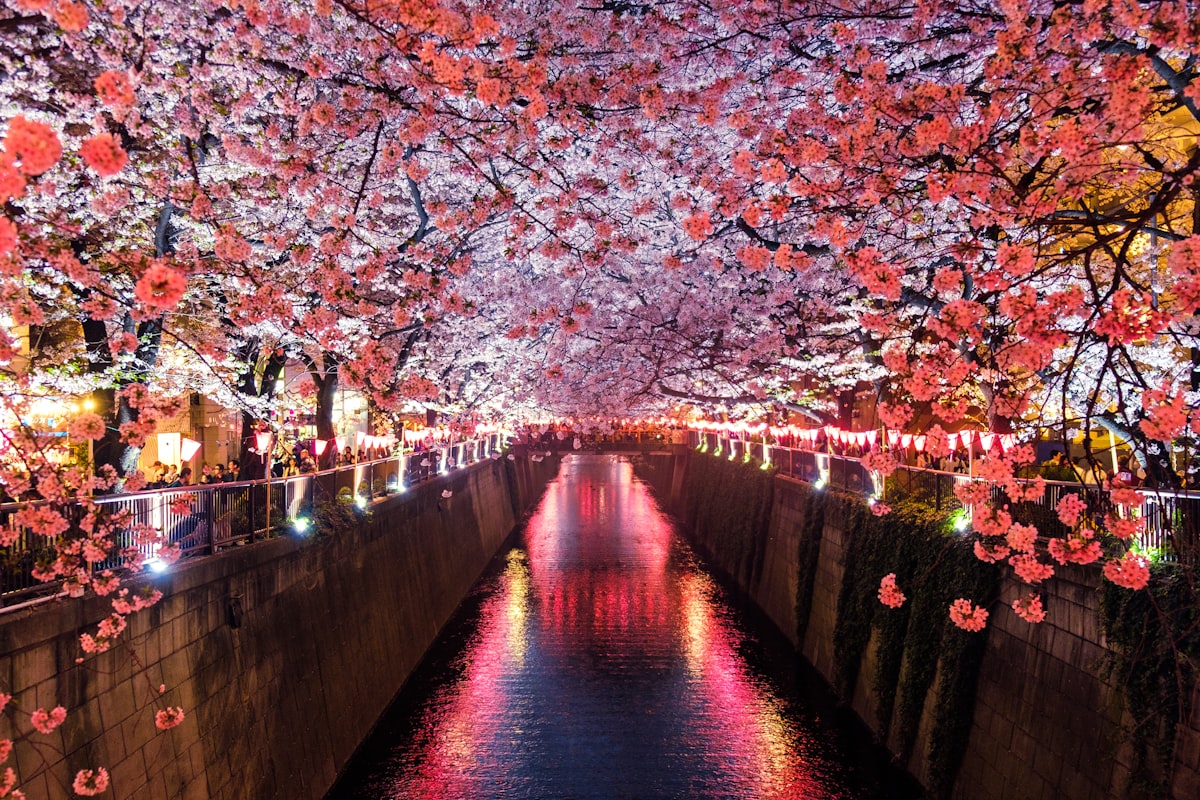
- Evening: Philosopher’s Path — A canal-side stone path lined with cherry trees. Walk from Ginkaku-ji (Silver Pavilion) to Nanzen-ji at sunset — beautiful in any season, iconic during cherry blossom.
Tea ceremonies, Nishiki Market cooking classes, and popular ryokans sell out.
Browse Kyoto Activities on Klook →
Nara Day Trip — Deer, Great Buddha, Ancient Temples
Nara was Japan’s first permanent capital (710 AD) and is home to hundreds of freely roaming deer that bow to receive crackers. It’s a 45-minute train ride from Kyoto (JR Nara Line ~720 yen, covered by JR Pass; or Kintetsu Limited Express ~1,130 yen, faster but not JR Pass eligible).
- Nara Deer Park — Free entry. Buy shika senbei (deer crackers, ~200 yen/pack) from vendors and prepare for an enthusiastic welcome. The deer genuinely bow to ask for food — they’ve learned this behavior over centuries. Don’t hold the packet up where the deer can see it unless you’re ready for 10 deer to rush you simultaneously.
- Todai-ji Temple — Houses the world’s largest bronze Buddha statue (15m tall, cast in 752 AD). Entry 600 yen. The Great South Gate (Nandaimon) with its massive wooden guardian statues is a stunning approach. Allow 45-60 minutes inside.
- Kasuga Taisha Shrine — A UNESCO site known for thousands of stone and bronze lanterns lining the forest path. The lanterns are lit only twice a year (Feb 3, Aug 14-15) — an extraordinary sight if your trip coincides.
- Naramachi — Nara’s preserved merchant district with traditional machiya townhouses, independent cafes, and craft shops. Good for afternoon browsing before heading back to Kyoto.
- Hidden gem: Mt. Wakakusa — A 10-15 minute walk from the main tourist area, this small grassy hill above the city offers excellent views of the temples below with far fewer visitors than the main Nara Park.
Hiroshima + Miyajima — Japan’s Most Moving Day Trip
Hiroshima is one of Japan’s most important destinations — not just historically, but for the profound impact it has on every visitor. Combined with Miyajima Island’s floating torii gate, Day 9 is often travelers’ most memorable day of the entire trip. From Kyoto, take the Shinkansen to Hiroshima (~90 min, covered by JR Pass).
- Morning: Peace Memorial Park and Museum — The A-Bomb Dome is the only building that survived near the hypocenter of the 1945 atomic bomb, preserved as a UNESCO World Heritage Site. The Peace Memorial Museum (entry 200 yen) is one of the most powerful museums in the world — allow 90 minutes. Come early, when it’s quieter and more contemplative.
- Lunch: Okonomimura — Three floors of tiny okonomiyaki restaurants in downtown Hiroshima. Hiroshima’s style of okonomiyaki (with layered noodles, cabbage, and egg) is distinct from and — many argue — tastier than the Osaka style. Point at what you want or show a translation app. Around 1,000-1,500 yen per person.
- Afternoon: Miyajima Island — Take the JR ferry from Miyajimaguchi (15 min, covered by JR Pass) to this sacred island. The floating torii gate (O-Torii) of Itsukushima Shrine appears to float on the sea at high tide — check the tide schedule in advance. The deer here are smaller and gentler than in Nara. Explore Senjokaku Pavilion and hike partway up Mt. Misen for views.
- Evening: Stay for sunset on Miyajima — Most day-trippers leave by 5pm. If you stay later, the torii gate at dusk is magical. The island has excellent ryokans if you want to stay overnight — the experience of the site at dawn (before any tourists) is extraordinary.
Osaka — Food, Dotonbori, Departure
Whether you spent Day 9 in Hiroshima or Osaka, make your way to Osaka for your final full day (if flying from KIX) or your last morning before the Shinkansen back to Tokyo (if flying from Narita/Haneda).
- Dotonbori — Osaka’s neon-lit entertainment district. Try the famous takoyaki (octopus balls), okonomiyaki (savory pancakes), and kushikatsu (deep-fried skewers) from street vendors. The giant Glico running man sign is here. Walk both sides of the canal and soak in the atmosphere.
- Kuromon Market (arrive early) — Osaka’s “kitchen market.” Come before 9am to browse at your own pace before the crowds arrive. Fresh seafood, grilled crab legs, and seasonal produce. Many vendors offer eat-as-you-shop street food.
- Osaka Castle — A 5-story reconstructed castle surrounded by moats and parkland. Museum entry 600 yen. The park around it is beautiful and free — great for a morning walk.
- Kaiyukan Aquarium — One of the world’s largest aquariums, home to whale sharks. Book Kaiyukan Aquarium tickets on Klook (2,700 yen). The central tank rises through multiple floors — truly impressive.
- Umeda Sky Building — Two towers connected at the top with a floating garden observatory (1,500 yen). Spectacular 360-degree night views.
Departing from Osaka: Kansai International Airport (KIX) is 70 min from Osaka by the Haruka Express (~1,900 yen) or Nankai Rapi:t (~1,490 yen). Both reliable. Buy tickets at the station or use your IC card.
Flying back to Tokyo? Take the Shinkansen Nozomi from Shin-Osaka to Tokyo (about 2.5 hours, ~14,000 yen one-way, not covered by JR Pass). Then fly from Haneda or Narita.
Transport Guide for This Itinerary
| Journey | Train | Time | Cost (yen) | Cost (USD) | JR Pass? |
|---|---|---|---|---|---|
| Narita → Tokyo | N’EX | 60 min | 3,070 | ~$20 | Yes |
| Tokyo → Kamakura | JR Yokosuka Line | 90 min | 920 | ~$6 | Yes |
| Tokyo → Hakone | Odakyu Romancecar | 85 min | 2,470+ | ~$16 | No |
| Odawara → Kyoto | Shinkansen Hikari | 160 min | 13,600 | ~$90 | Yes |
| Kyoto → Nara | JR Nara Line | 45 min | 720 | ~$5 | Yes |
| Kyoto → Hiroshima | Shinkansen Hikari | 90 min | 10,440 | ~$69 | Yes |
| Miyajima ferry | JR Ferry | 15 min | 200 | ~$1.30 | Yes |
| Kyoto → Osaka | JR Rapid/Shinkansen | 15-30 min | 570-1,420 | ~$4-9 | Yes |
| Osaka → KIX | Haruka Express | 75 min | 1,900 | ~$13 | Yes |
Read our full guide: How to Ride Trains in Japan.
Budget Breakdown (10 Days)
| Category | Budget | Mid-Range | Comfort |
|---|---|---|---|
| Accommodation (10 nights) | $300-400 | $700-1,000 | $1,500+ |
| Food & Drinks | $200-300 | $400-600 | $700-1,000 |
| Transport (incl. JR Pass) | $350-400 | $400-450 | $450-500 |
| Activities & Entry Fees | $100-150 | $200-300 | $400-600 |
| Shopping & Souvenirs | $50-100 | $150-300 | $500+ |
| Total (per person, excl. flights) | $1,000-1,350 | $1,850-2,650 | $3,550+ |
For a full breakdown with accommodation tips and money-saving strategies, read our Japan Travel Budget Guide 2026.
What to Pack
Japan has a few unique packing considerations. See our full Japan Packing List 2026 for complete details. Key items:
- Comfortable walking shoes — you’ll easily walk 15,000-25,000 steps per day
- Lightweight layers — even in summer, temples can be cool inside
- Small day bag — for exploring between hotel check-out and check-in
- Portable phone charger — long days mean your phone needs backup power
- Cash (yen) — carry at least 10,000-20,000 yen at all times outside major cities
- Slip-on shoes — many temples and ryokans require removing shoes frequently
Top Tips for Your 10-Day Japan Trip
- Book popular attractions the moment you confirm travel dates — teamLab, Shibuya Sky, Niseko ski resorts, and popular ryokans sell out weeks or months ahead.
- Use Google Maps offline — Download Tokyo, Kyoto, and Osaka maps before you go. Japan’s addresses are complex; maps are essential.
- Carry an IC card at all times — Use it for trains, buses, taxis (some), and convenience stores. See our IC card guide.
- Visit temples and shrines early — Before 9am, you’ll often have famous spots almost to yourself. This changes the entire experience.
- Send luggage ahead — Use takkyubin (luggage delivery) to ship bags between cities. ~1,500-2,500 yen per bag, next-day delivery. Ask your hotel to arrange.
- Bow slightly when greeting or thanking — A simple nod goes a long way throughout Japan.
- Convenience stores are your friend — 7-Eleven, FamilyMart, and Lawson serve hot food, excellent onigiri, sandwiches, ATMs, and even printing. The quality is genuinely good.
- Check tide schedules for Miyajima — The floating torii gate looks completely different at high vs. low tide. Look up the tide schedule for your visit date before going.
Frequently Asked Questions
Is 10 days enough for Japan?
Yes — 10 days is the sweet spot for first-time visitors. You’ll cover Tokyo, Hakone, Kyoto, Nara, Hiroshima/Miyajima, and Osaka without feeling rushed. If you have 2 weeks, add the Japanese Alps (Takayama/Shirakawa-go) or stay longer in Kyoto to visit Kurama and Kibune.
What’s the best time to visit Japan for 10 days?
Spring (late March to early April) for cherry blossoms and autumn (October to November) for fall foliage are the most popular — and most expensive — seasons. Book 3-6 months ahead for these periods. Summer (July-August) is hot, humid, and has festivals. Winter (January-February) offers the lowest prices, fewest crowds, and excellent ski options in Hokkaido.
Do I need to speak Japanese?
Not at all. Major tourist areas have English signage, Google Translate handles menus and street signs, and English-speaking staff are common at hotels, airports, and major attractions. Download the right apps before you go and you’ll navigate easily.
Is Japan expensive?
Less than most visitors expect. Street food, convenience store meals, and budget accommodation make Japan accessible on almost any budget. The yen remains relatively weak against USD and EUR, making Japan particularly good value right now. See our Japan budget guide for detailed costs.
Is Japan safe for solo travelers?
Japan consistently ranks among the safest countries in the world. Crime rates are extremely low, people are helpful and honest, and the public transport system is reliable and easy to use even alone. Solo female travelers report feeling very safe throughout Japan.
Should I get a JR Pass?
For this itinerary (Tokyo > Hakone > Kyoto > Hiroshima > Osaka), a 7-day JR Pass is almost certainly worth it. The Shinkansen from Odawara to Kyoto alone costs ~13,600 yen, and Kyoto to Hiroshima is another ~10,440 yen — between those two journeys you’re close to the cost of a 7-day pass. Calculate your specific route costs vs. the pass price. Read more in our trains guide.
How different is Hiroshima okonomiyaki from Osaka?
Very different. Hiroshima okonomiyaki is layered rather than mixed — soba noodles are fried separately and sandwiched inside with cabbage, egg, and your choice of protein. Many travelers who try both styles prefer the Hiroshima version. Okonomimura in downtown Hiroshima (three floors of tiny okonomiyaki restaurants) is the best place to try it.
Disclosure: Some links in this article are affiliate links. If you book through them, we may earn a small commission at no extra cost to you. We only recommend services we genuinely believe in and that provide good value for travelers.
コメント