Packing for Japan is a little different from packing for most destinations. Japan is incredibly convenient in many ways — but it has some quirks that can catch first-time visitors off guard. Credit cards aren’t accepted everywhere. Pharmacies carry different brands than you’re used to. Summers are brutally humid. Winters are cold. And somehow, you’ll come home with far more than you left with.
This Japan packing list for 2026 cuts through the noise. We’ve skipped the obvious (“bring your passport”) and focused on the things that actually matter — the items experienced Japan travelers swear by, the things you won’t find easily at convenience stores, and the gear that will make your trip genuinely smoother.
Table of Contents
1. Essential Documents & Cards
Before you think about clothing or gadgets, get your documents sorted. Japan has strict entry requirements and a cashless-payment landscape that rewards preparation.
Passport (valid 6+ months)
Must-HaveObvious, but check the expiry date now. Japan requires your passport to be valid for the duration of your stay. Most nationalities get a 90-day stamp-free entry.
IC Card (Suica or Pasmo) + Credit Card
Must-HaveLoad a digital Suica onto your phone before you fly — it’s the single most useful thing you can have in Japan. Also bring a Visa or Mastercard that has no foreign transaction fees (Charles Schwab, Wise, Revolut, and Starling all work great).
JR Pass (if you’re traveling multiple cities)
RecommendedIf you’re hopping between Tokyo, Kyoto, Osaka, and Hiroshima, a JR Pass almost always pays for itself. Order and activate before you fly — you can no longer purchase them inside Japan at the discounted overseas price.
Cash in Japanese Yen (¥30,000–50,000)
Must-HaveJapan is going cashless fast, but rural areas, small restaurants, shrines, and some vending machines still require yen. Withdraw from a 7-Eleven or Japan Post ATM — they reliably accept foreign cards 24/7 and give excellent exchange rates.
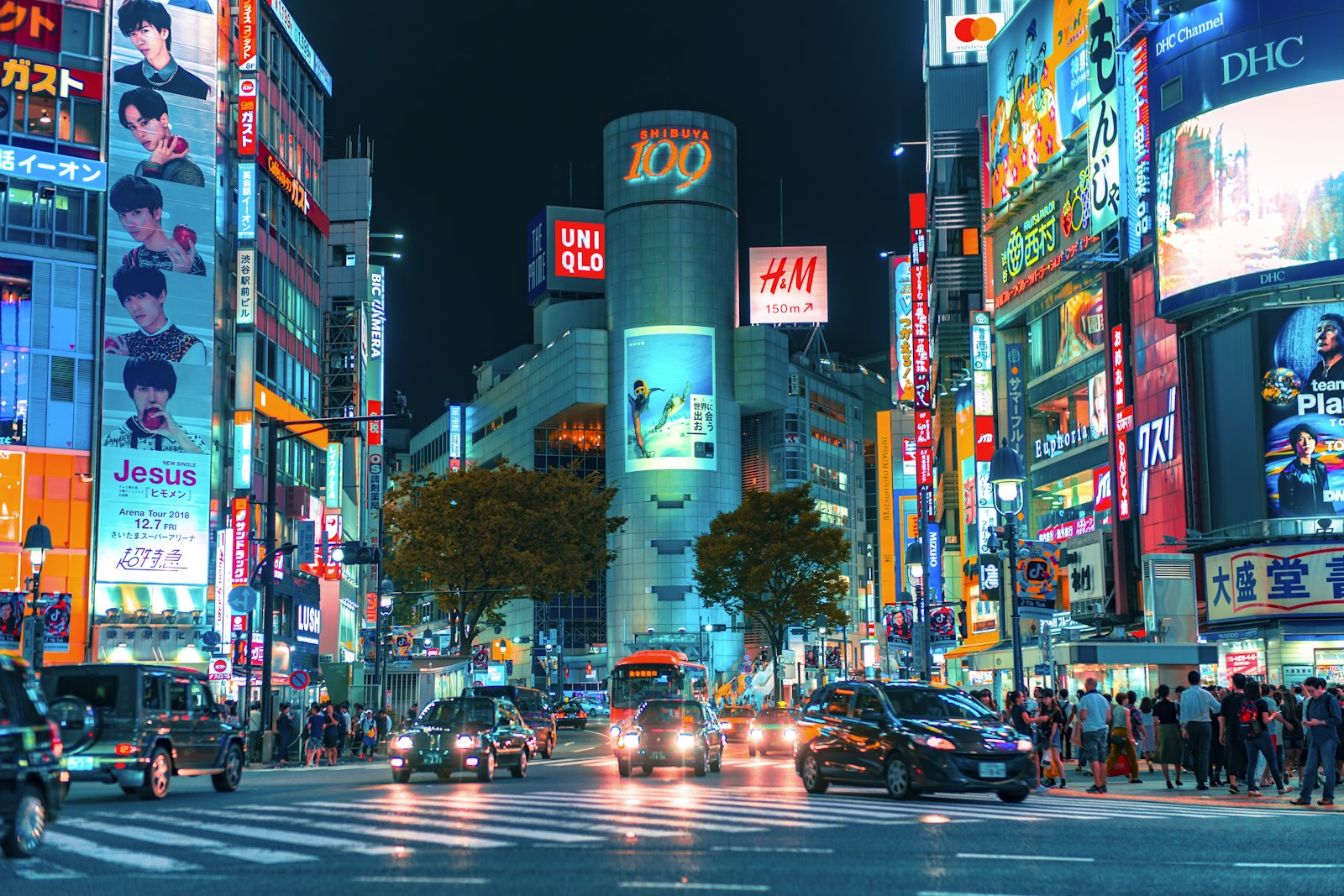
The right gear makes exploring Tokyo’s backstreets far more enjoyable. Photo: Unsplash
2. Connectivity: SIM, WiFi & Power
Staying connected in Japan is non-negotiable. You need Google Maps, Google Translate, your hotel booking, and Japan travel apps working at all times. Here’s how to do it right.
eSIM Data Plan (Airalo or Ubigi)
Must-HaveAiralo is the most popular choice — buy a Japan eSIM data plan before you leave, install it on your phone, and you’ll be connected the moment you land. Plans start around $5 for 1GB. Far cheaper and more convenient than pocket WiFi or airport SIM cards. Make sure your phone is eSIM-compatible (most iPhones since XR and most Android flagships from 2020+).
Pocket WiFi (for groups or older phones)
Recommended for GroupsIf you’re traveling with a family or have an older phone without eSIM, rent a pocket WiFi from Japan Wireless or Ninja WiFi. They ship to your hotel and you can return it by post at the airport. Unlimited data plans cost around ¥3,000–4,000/day and can connect up to 10 devices.
Power Adapter (Type A — same as USA)
Must-HaveGreat news: Japan uses Type A plugs (flat two-prong), the same as the USA. If you’re from North America, no adapter needed. UK, European, and Australian travelers need a simple Type A adapter. Japan runs on 100V — most modern electronics (phones, laptops, cameras) are 100–240V compatible, so check your device labels before buying a transformer.
Portable Charger / Power Bank (10,000mAh+)
Must-HaveJapan days are long — you’ll be walking 15–25km daily. A 10,000mAh power bank charges an iPhone about 2.5 times. The Anker 523 (10,000mAh, USB-C) hits the sweet spot of capacity and weight. Note: batteries over 160Wh are not allowed in aircraft cabins, so avoid anything larger than 20,000mAh.
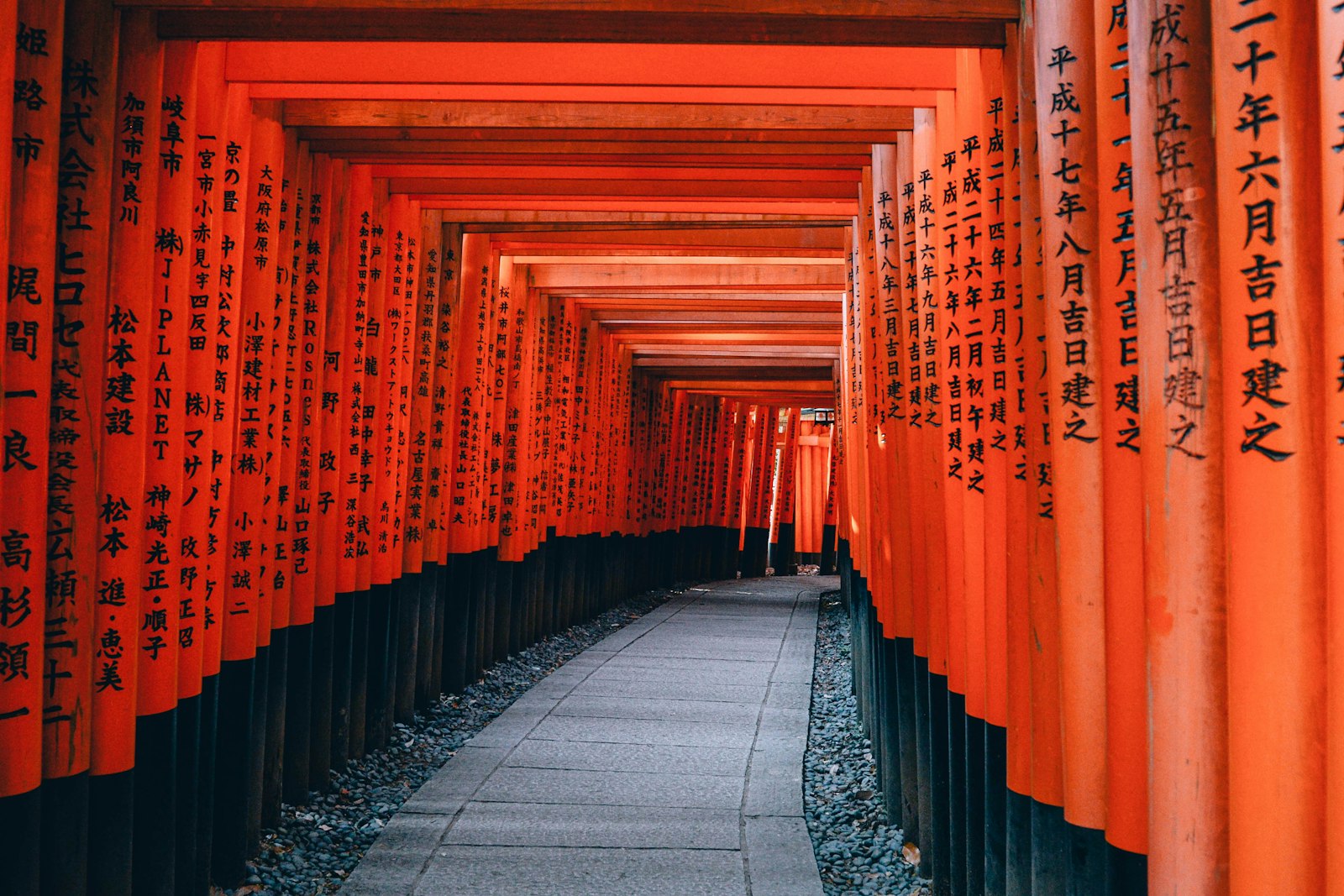
Japan’s temples require a lot of walking — good shoes and a charged phone are essential. Photo: Unsplash
3. Electronics & Gadgets
Camera (or just your phone)
RecommendedJapan is one of the most photogenic countries on Earth. If you have a dedicated camera, bring it. If not, modern smartphone cameras (iPhone 15, Pixel 9, Samsung S24) produce stunning results. Bring extra memory cards and a small camera bag if shooting seriously.
Noise-Canceling Headphones
RecommendedJapanese trains are quiet — talking on phones is considered rude, and most carriages are peaceful. Noise-canceling headphones (Sony WH-1000XM5, AirPods Pro) are great for long Shinkansen rides and the 14-hour flight there and back.
Laptop / Tablet (if working remotely)
OptionalJapan has excellent cafe WiFi and is a great remote work destination. Most business hotels have strong WiFi. If you’re working, bring your laptop; if not, leave it at home — your phone handles everything Japan-related with ease.
4. Clothing by Season
Japan has four very distinct seasons, and what you pack varies dramatically depending on when you visit.
Spring (March–May) — Cherry Blossom Season
- Light jacket or trench coat — essential for cool evenings
- Long-sleeve shirts + T-shirts — layer up or down easily
- Comfortable walking shoes — you’ll walk 15–20km/day
- Small umbrella or packable rain jacket — April brings rain showers
Summer (June–August) — Hot & Humid
- Lightweight, moisture-wicking clothing — merino wool or synthetic blends
- Portable fan — hand fans are sold everywhere, or bring a USB fan
- SPF 50+ sunscreen — Japanese sunscreens are excellent and available locally
- Insect repellent — particularly for rural and forested areas
- Compact umbrella — summer thunderstorms arrive fast
Autumn (September–November) — Best Season
Many travelers consider autumn the ideal time to visit Japan. Temperatures cool from 25°C in September to 8°C in November, with spectacular fall foliage. Pack similarly to spring — layers that work across a wide temperature range.
Winter (December–February) — Cold & Dry
- Warm mid-layer — fleece or down jacket (Tokyo winters dip to 2–5°C)
- Thermal underlayer — Uniqlo Heattech is a Japanese staple and available cheaply once you arrive
- Waterproof shoes or boots — snow is common in Hokkaido, Nikko, and mountain regions
- Gloves, scarf, beanie — Japan is dry in winter, so lightweight layers work better than heavy coats
5. Health, Toiletries & Pharmacy
Japan has excellent pharmacies (ドラッグストア — drug stores) stocked with quality products, but labeling is in Japanese. Bring your own essentials rather than hunting for English-language versions.
Prescription Medications
Must-HaveBring more than you need — Japan’s customs rules on medications can be strict. Some common Western medications (certain ADHD medications, codeine-based products) are controlled in Japan. Check Japan’s Ministry of Health regulations before you fly and carry a doctor’s letter for any controlled substances.
Basic First Aid & OTC Medicines
RecommendedPack ibuprofen, antihistamines, and stomach remedies from home. Japanese pharmacies carry equivalents, but reading labels in kanji when you’re sick is miserable. A few days’ supply of your preferred brands is worth the small bag space.
Sunscreen & Skincare
RecommendedJapanese sunscreens and skincare products are world-class — you can buy them locally and they’re often cheaper than Western equivalents. However, if you have sensitive skin or specific product needs, bring enough for your trip. Don’t worry about bringing shampoo — Japanese convenience stores and hotels stock these.
Travel Towel
OptionalHotels provide towels, but a compact quick-dry travel towel is useful for onsen (hot spring) visits where bringing your own is preferred. The PackTowl Ultralite dries in 20 minutes and packs to the size of a paperback.
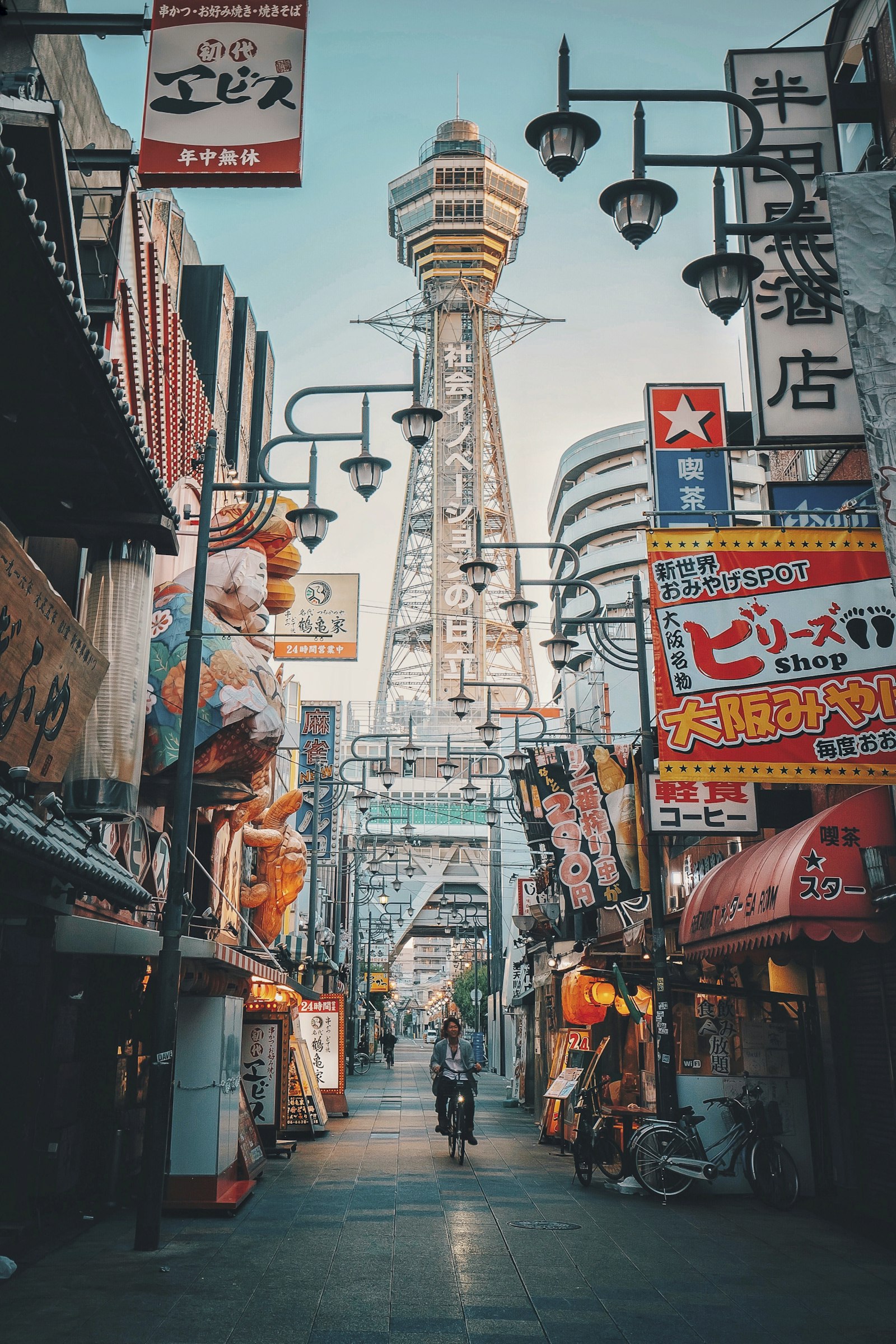
Japan’s convenience stores (konbini) stock many basics — but it’s easier to bring key items from home. Photo: Unsplash
6. Bags & Luggage
Main Suitcase or Backpack
Must-HaveMost Japan travelers use a medium-sized hard-shell suitcase (55–70L) or a 40–50L travel backpack. One key Japan-specific consideration: Shinkansen overhead luggage racks have size limits. Bags larger than 160cm (total of length+width+height) must be reserved in advance with Japan Rail.
Day Backpack (15–20L)
Must-HaveYou’ll use this every day. Pack your power bank, water bottle, camera, umbrella, and day essentials. A lightweight packable day bag (like the Osprey Ultralight Stuff Pack) takes up almost no space in your main luggage.
Packing Cubes
Highly RecommendedJapan hotels are compact — staying organized matters. Eagle Creek Pack-It Cubes compress clothing and keep everything easy to find. Also useful for sending your main luggage ahead (takkyubin — luggage forwarding) while you travel light with just your day bag.
7. What NOT to Pack for Japan
Overpacking is the most common Japan traveler mistake. Japan is a shopping paradise — you will buy things. Here’s what to leave at home:
- ❌ Full-size toiletries — available at every konbini and drug store, often cheaper and better quality
- ❌ Too many shoes — two pairs maximum (walking shoes + flip-flops or sandals)
- ❌ Heavy winter coat — Japan winters are cold but dry; layering is more effective
- ❌ Revealing clothing — temples and shrines require covered shoulders and knees; a light scarf works as a cover-up
- ❌ Perfume / heavy cologne — Japan has a strong odor-free culture, especially on trains
- ❌ Large amounts of cash from home — exchange rates at Japanese ATMs (7-Eleven, Japan Post) are significantly better than airport exchange counters
8. Complete Japan Packing Checklist
| Category | Item | Priority |
|---|---|---|
| Documents | Passport (6+ months validity) | ✅ Essential |
| Documents | Travel insurance card/policy | ✅ Essential |
| Documents | JR Pass voucher | ⭐ If applicable |
| Money | No-fee credit card (Visa/MC) | ✅ Essential |
| Money | ¥30,000–50,000 yen cash | ✅ Essential |
| Connectivity | eSIM data plan (Airalo) | ✅ Essential |
| Connectivity | Power bank 10,000mAh+ | ✅ Essential |
| Connectivity | Type A plug adapter (non-US) | ✅ If needed |
| Electronics | Phone + charging cable | ✅ Essential |
| Electronics | Camera + memory cards | ⭐ Recommended |
| Electronics | Noise-canceling headphones | ⭐ Recommended |
| Clothing | Comfortable walking shoes | ✅ Essential |
| Clothing | Weather-appropriate layers | ✅ Essential |
| Clothing | Packable rain jacket/umbrella | ✅ Essential |
| Health | Prescription medications | ✅ If needed |
| Health | Ibuprofen, antihistamines | ⭐ Recommended |
| Health | Sunscreen SPF 50+ | ✅ Essential |
| Bags | Main suitcase (55–70L) | ✅ Essential |
| Bags | Day backpack (15–20L) | ✅ Essential |
| Bags | Packing cubes | ⭐ Recommended |
Want more Japan travel tips? Check out our guides on how to use IC cards, riding trains in Japan, and the best travel apps for Japan. Happy travels!
Ready to Plan Your Japan Trip?
Browse all our Japan travel guides — from first-timer essentials to insider city tips.
Explore Japan Guide Tips →📅 Ready to plan your full trip? Check out our complete 10-Day Japan Itinerary — Tokyo, Hakone, Kyoto, Nara, Hiroshima & Osaka.
📚 More Japan Travel Guides
Looking for more help planning your Japan trip? These guides cover everything you need:
コメント