Best Time to Visit Japan 2026: Complete Month-by-Month Guide (Weather, Crowds & Costs)
Japan is one of the most captivating travel destinations on earth — but timing your visit can make all the difference between a magical trip and a frustrating one. Visit during cherry blossom season and you’ll find yourself surrounded by breathtaking pink blooms; arrive in mid-August and you might be wilting in 38°C heat alongside enormous summer crowds. The good news? Japan rewards visitors in every season. You just need to know what you’re getting into.
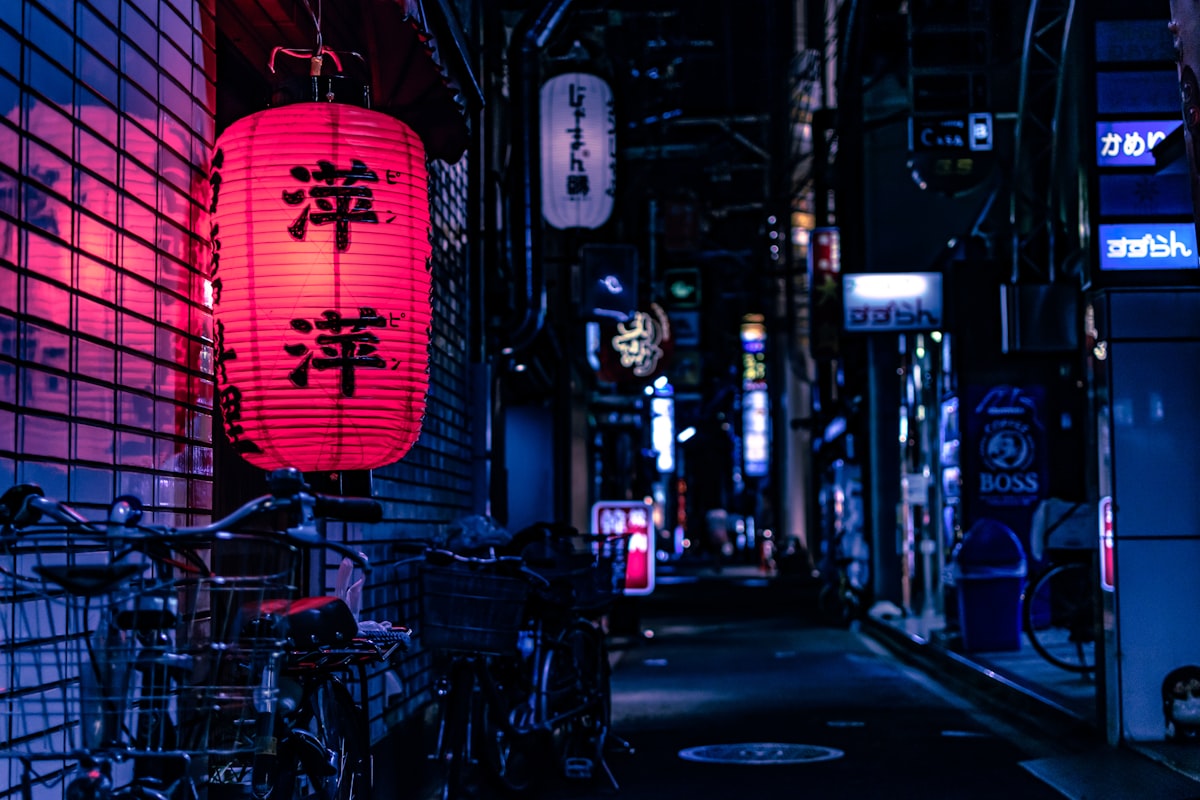
This comprehensive guide breaks down the best time to visit Japan month by month, covering weather, crowds, prices, festivals, and insider tips so you can plan the perfect trip — whether you’re chasing sakura, autumn foliage, powder snow, or simply trying to save money.
🗓️ Quick Answer: When Is the Best Time to Visit Japan?
- Best overall: Mid-March to early April (cherry blossoms) & October–November (autumn foliage)
- Best weather: October & November
- Cheapest time: January–February & June (rainy season)
- Avoid if possible: Golden Week (late April–early May) & Obon (mid-August)
- Best for snow: January–February in Hokkaido and the Japanese Alps
- Japan at a Glance: Seasons Overview
- 🌸 Spring in Japan (March–May): The Cherry Blossom Season
- ☀️ Summer in Japan (June–August): Festivals, Heat, and Beaches
- 🍂 Autumn in Japan (September–November): The Other Peak Season
- ❄️ Winter in Japan (December–February): Snow, Serenity & Savings
- 📅 Month-by-Month Breakdown: Japan Throughout the Year
- 🎯 Best Time to Visit Japan by Travel Style
- 💰 Cost Comparison by Season
- 🎊 Japan Festival Calendar 2026
- 🧳 What to Pack for Each Season in Japan
- 💡 Insider Tips for Each Season
- ❓ Frequently Asked Questions
- What is the absolute best month to visit Japan?
- When should I avoid visiting Japan?
- Is Japan worth visiting in winter?
- How far in advance should I book my Japan trip?
- What is Japan like during the rainy season?
- When do cherry blossoms bloom in Japan in 2026?
- Is Japan expensive to visit? Does the season affect costs?
- What is the weather like in Japan in October?
- 🗺️ Start Planning Your Japan Trip
- 🗾 Best Time to Visit Japan by Region
- Tokyo: Best Visited in Late March–April or October
- Kyoto: Best Visited in Late March–April or Mid-November
- Osaka: Best Visited March–May or October–November
- Hokkaido: Best Visited in July–August or February for Snow
- Okinawa: Best Visited May–October (Beach Season)
- The Japanese Alps (Nagano, Gifu, Toyama): Best in Summer and Winter
- 🌡️ Japan Weather Data: Temperature and Rainfall by City and Month
- 🚄 Transportation Tips by Season
- 📸 Photography Tips by Season
- 🌸 Cherry Blossom Deep Dive: Everything You Need to Know
- 🍁 Autumn Foliage Deep Dive: Japan’s Second Peak Season
- 🍣 Seasonal Food Guide: What to Eat in Japan Each Season
- 🏯 When to Visit Japan’s Top Attractions
- 🎌 Japan Public Holidays 2026: Plan Around These Dates
- 🏨 Accommodation Tips by Season
- 🌏 Visa and Entry Requirements for Japan 2026
- 🔁 Itinerary Ideas by Season
- 💡 Final Verdict: Our Recommended Travel Windows for 2026
- More Japan Travel Guides
Japan at a Glance: Seasons Overview
Japan stretches across a long, narrow archipelago from subtropical Okinawa in the south to subarctic Hokkaido in the north. This means that the “best time to visit Japan” can differ dramatically depending on which region you’re exploring. Tokyo, Kyoto, and Osaka — the most visited cities — enjoy a temperate climate with four distinct seasons, each with its own magic.
| Season | Months | Highlights | Crowds | Prices |
|---|---|---|---|---|
| 🌸 Spring | Mar–May | Cherry blossoms, mild weather | ⭐⭐⭐⭐⭐ Very high | 💰💰💰💰 High |
| ☀️ Summer | Jun–Aug | Festivals, fireworks, Okinawa beaches | ⭐⭐⭐⭐ High (Aug) | 💰💰💰 Medium-High |
| 🍂 Autumn | Sep–Nov | Foliage, cool weather, less rain | ⭐⭐⭐⭐ High (Nov) | 💰💰💰 Medium-High |
| ❄️ Winter | Dec–Feb | Snow, illuminations, skiing, low prices | ⭐⭐ Low | 💰💰 Low |
🌸 Spring in Japan (March–May): The Cherry Blossom Season
Spring is arguably Japan’s most famous season — and for good reason. From late March through mid-April, Japan transforms into a sea of pink and white cherry blossoms (sakura), drawing millions of visitors from around the world. Parks fill with picnickers enjoying hanami (flower viewing) parties under the blooms, castle grounds become photographer’s paradises, and the entire country seems to celebrate nature’s annual miracle.
But spring in Japan is more than just cherry blossoms. As April gives way to May, fresh green leaves take over, the weather becomes pleasantly warm, and the countryside bursts into color with wisteria, azaleas, and rhododendrons.
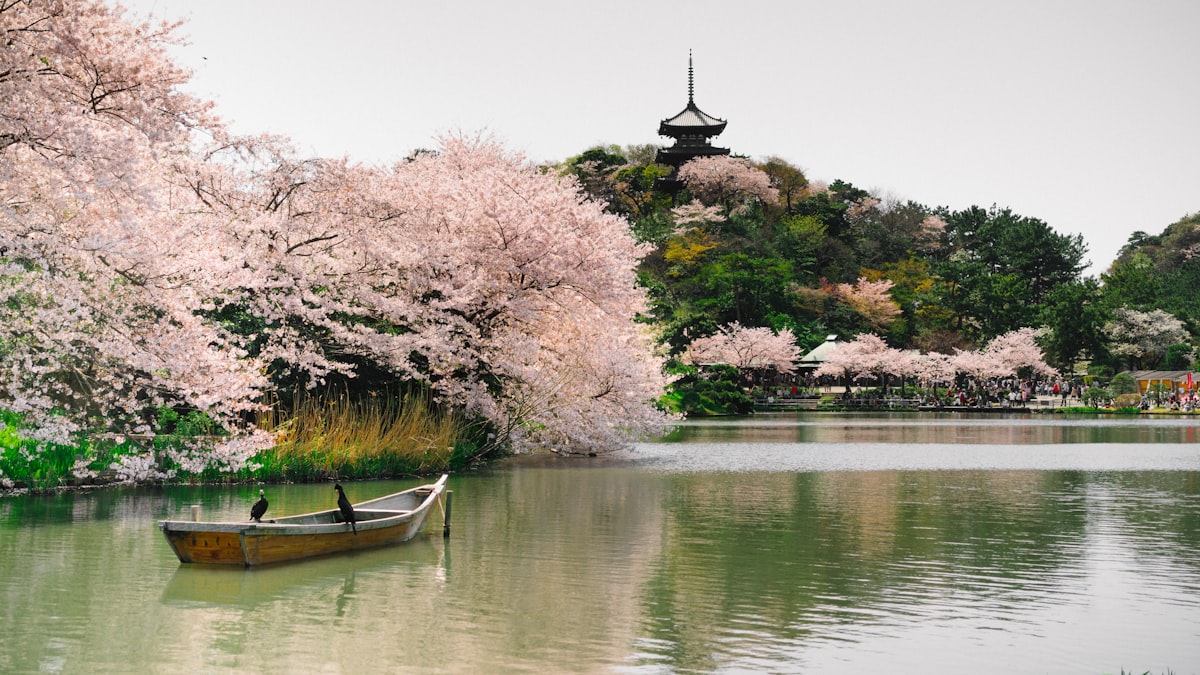
Cherry Blossom Season: What to Expect
The sakura front (sakura zensen) typically begins in Okinawa in late January, then moves northward over several weeks, reaching Tokyo in late March, Kyoto and Osaka shortly after, and Hokkaido by early May. This means with careful planning, you could actually chase cherry blossoms for 6–8 weeks across Japan.
2026 Cherry Blossom Forecast (Expected Dates):
- Tokyo: First bloom around March 20–22, full bloom March 27–30
- Kyoto: First bloom around March 24–26, full bloom March 31–April 3
- Osaka: First bloom around March 23–25, full bloom March 30–April 2
- Hiroshima: First bloom around March 23, full bloom March 28–30
- Sendai: First bloom around April 5–8, full bloom April 10–14
- Sapporo: First bloom around April 25–28, full bloom May 1–5
The peak bloom period (when trees are 70–100% open) typically lasts about one week. Cherry blossoms fall after 1–2 weeks of full bloom, and rain or wind can accelerate this dramatically. Booking hotels during this window months in advance is essential.
Best Places to See Cherry Blossoms in Japan
- Shinjuku Gyoen National Garden, Tokyo: One of Tokyo’s largest parks, with over 1,000 cherry trees. A fee is charged but crowds are better managed than at free parks.
- Maruyama Park, Kyoto: Famous for its magnificent weeping cherry tree, illuminated at night and stunning day or night.
- Philosopher’s Path, Kyoto: A 2km canal walk lined with hundreds of cherry trees — perfect for a morning stroll before crowds arrive.
- Osaka Castle Park: Over 3,000 cherry trees surrounding the iconic castle — one of the most photogenic spots in Japan.
- Hirosaki Park, Aomori: Arguably Japan’s most beautiful sakura spot, with 2,600 cherry trees framing a stunning feudal castle. It blooms late (late April–early May).
- Takato Castle Site Park, Nagano: Famous for its “Kohigan” cherry variety — a deep pink that’s more vivid than standard sakura.
- Yoshinoyama, Nara: The mountain is covered with 30,000 cherry trees across four sections, creating a breathtaking pink mountain landscape.
🌸 Book cherry blossom experiences in advance! Reserve a Cherry Blossom Night Walk in Tokyo on Klook →
Golden Week Warning (Late April–Early May)
⚠️ Golden Week (April 29–May 6, 2026): This is Japan’s longest national holiday period, when millions of Japanese citizens travel domestically. Trains are packed, tourist sites are absolutely jammed, and hotel prices can triple or quadruple. International visitors who haven’t booked months in advance may find it nearly impossible to secure accommodation. Unless you’ve planned well ahead, consider scheduling your trip to arrive before April 28 or after May 7.
Late Spring (May): Japan’s Hidden Gem Season
Many visitors overlook May as a travel month, but it’s one of Japan’s finest. The cherry blossoms are gone, but the landscape is stunningly green. The weather is warm and mostly dry, crowds thin out significantly after Golden Week, and prices drop. Wisteria festivals are in full swing — the famous wisteria tunnels at Kawachi Fuji Gardens in Kitakyushu and Ashikaga Flower Park in Tochigi are spectacular.
Late May also sees tea fields in their peak greenness in Shizuoka and Uji (Kyoto), making it wonderful for countryside travel.
☀️ Summer in Japan (June–August): Festivals, Heat, and Beaches
Japan’s summer is intense — hot, humid, and occasionally dramatic. But it’s also one of the most culturally rich seasons, packed with some of Japan’s most spectacular festivals, incredible fireworks shows, and the lure of tropical beaches in Okinawa. If you know what you’re getting into and prepare accordingly, summer can be a wonderfully immersive time to visit.
The Rainy Season (Tsuyu): June–Mid-July
Japan’s rainy season (tsuyu or baiu) typically runs from early June to mid-July in most parts of Honshu. During this period, you can expect overcast skies, frequent rain showers, and high humidity. Temperatures are generally in the mid-20s°C (mid-70s°F).
The silver lining? This is one of the cheapest and least crowded times to visit Japan. Hotel rates drop, queues shorten dramatically, and some of Japan’s most beautiful scenery comes alive. Hydrangea (ajisai) blooms throughout June and early July, turning temples and hillsides vivid purple, blue, and pink. Meigetsuin Temple in Kamakura and Hakone are particularly stunning during ajisai season.
The rainy season typically doesn’t affect Okinawa (which gets its rains earlier, in May) or Hokkaido (which largely escapes tsuyu altogether). Both are excellent destinations during June–July.
Summer Proper: Mid-July to August
When tsuyu ends in mid-July, Japan’s full summer arrives with a vengeance. Temperatures regularly exceed 35°C (95°F) with humidity above 70%. Cities like Tokyo, Osaka, and Kyoto can be genuinely exhausting during the hottest weeks of July and August. Start your days early, take midday breaks in air-conditioned museums or restaurants, and stay hydrated.
Despite the heat, summer brings Japan’s most spectacular festival season:
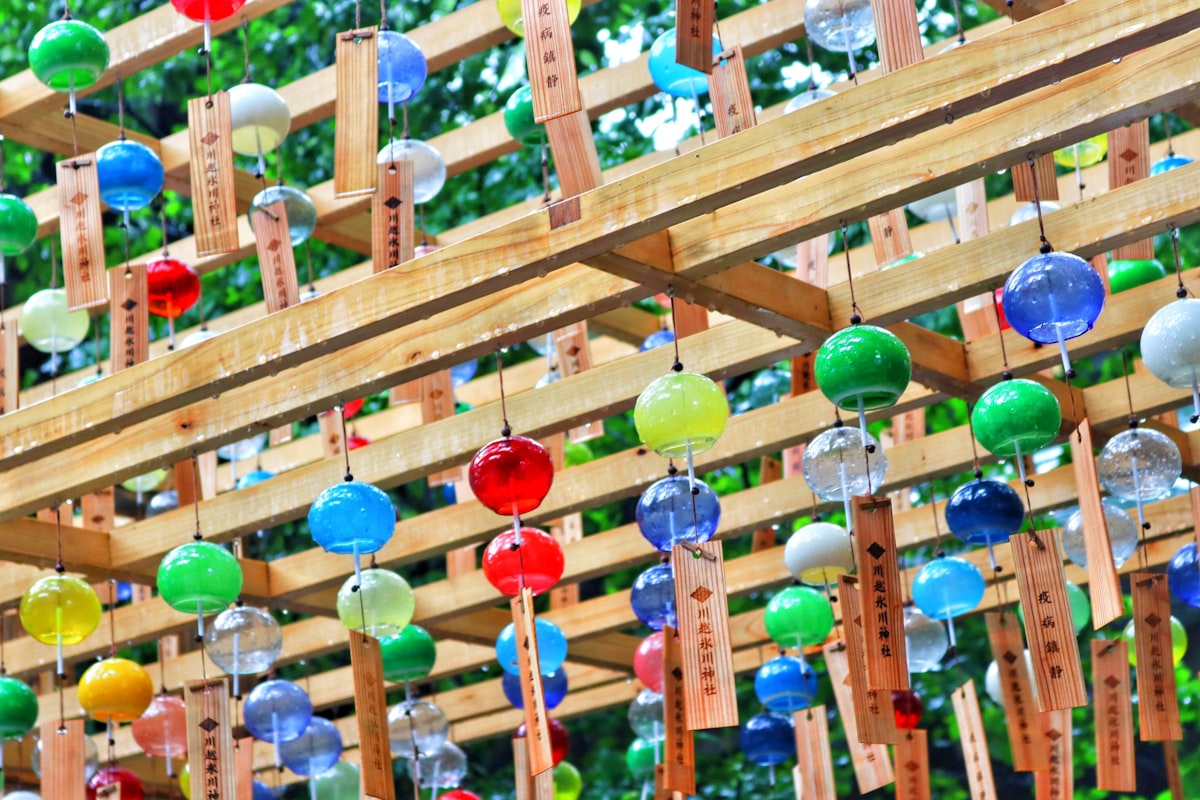
Summer Festivals Not to Miss
- Gion Matsuri (Kyoto, all of July): One of Japan’s three greatest festivals. The month-long celebration peaks with the Yamaboko Junko float processions on July 17 and 24, when enormous wooden floats measuring up to 25 meters tall are pulled through Kyoto’s streets.
- Sumida River Fireworks (Tokyo, late July): One of Japan’s largest and oldest fireworks festivals, with over 20,000 fireworks illuminating the Tokyo sky.
- Tenjin Matsuri (Osaka, July 24–25): One of Japan’s top three festivals, with boat processions on the river and spectacular fireworks.
- Nebuta Matsuri (Aomori, August 2–7): Massive illuminated floats depicting fierce warriors and mythical creatures parade through the streets, with thousands of haneto dancers chanting and leaping around them.
- Awa Odori (Tokushima, August 12–15): Japan’s largest dance festival, drawing over 1.3 million spectators. Thousands of dancers in traditional costume fill the streets.
- Obon (nationwide, mid-August): A Buddhist festival honoring ancestors. Bon Odori dances take place in parks and temple grounds across the country — beautiful, moving, and deeply cultural.
🎆 Experience an authentic Japanese summer festival! Book a Gion Matsuri Evening Tour on Klook →
Okinawa: Japan’s Summer Paradise
While the main islands swelter, Okinawa offers a different summer experience altogether. Japan’s southernmost prefecture is technically subtropical, with crystal-clear turquoise waters, white sand beaches, and world-class snorkeling and diving. The best beach season runs from May through October, though typhoon risk increases from August through September.
Okinawa also has a distinct culture — heavily influenced by its Ryukyuan heritage — with unique cuisine, music, and historical sites. Shurijo Castle, the Okinawa Churaumi Aquarium (one of the world’s largest), and the beaches of the Kerama Islands are unmissable.
🍂 Autumn in Japan (September–November): The Other Peak Season
Many experienced Japan travelers consider autumn their favorite season — and it’s easy to see why. The unbearable summer heat breaks in September, giving way to crisp, comfortable temperatures. By late October and November, the countryside erupts in a spectacular display of red, orange, and gold as maple trees (momiji) transform Japan’s forests, temple gardens, and mountain slopes.
Unlike cherry blossom season, autumn foliage is generally less frantic and the crowds, while present, are more manageable — especially if you travel early in the month or visit secondary destinations beyond Kyoto and Nikko.
Early Autumn (September): The Typhoon Season
September is the peak of Japan’s typhoon season. While typhoons don’t hit Japan every September, they’re common enough that you should have travel insurance and maintain flexible plans if visiting this month. The weather is still warm (25–30°C / 77–86°F) and humidity remains high early in the month.
The upside: September sees significantly fewer tourists than the summer peak or the November foliage rush. Prices are lower, hotel availability is better, and the atmosphere is more relaxed. The tsukimi (moon-viewing) tradition begins in September, with festivals held at temples and castles across Japan.
Mid-Autumn (October): Japan at Its Best
October is widely considered one of Japan’s finest travel months. The typhoon risk diminishes considerably. Temperatures settle into a perfect range — typically 18–24°C (64–75°F) during the day with cooler evenings. Skies are frequently clear and blue. Crowds haven’t yet peaked for autumn foliage, as most trees don’t hit peak color until November.
This is when hikers flock to the Japanese Alps, Nikko, and Kyoto’s surrounding mountains. The Jidai Matsuri historical procession takes place in Kyoto on October 22, featuring over 2,000 participants dressed in period costumes representing 1,200 years of Kyoto’s history. Mount Fuji typically closes its official climbing season at the end of September, making October perfect for viewing the mountain capped with its first snows from the Fuji Five Lakes area.
Peak Autumn Foliage (Late October–Late November)
The koyo (autumn foliage) front moves from north to south, typically beginning in Hokkaido in early October and reaching Tokyo and Kyoto in mid-to-late November. Here are the approximate peak foliage dates for 2026:
- Hokkaido (Daisetsuzan National Park): Late September – early October
- Nikko, Tochigi: Late October – early November
- Kyoto: Mid–late November (typically peaks November 15–25)
- Tokyo: Late November – early December
- Osaka: Late November – early December
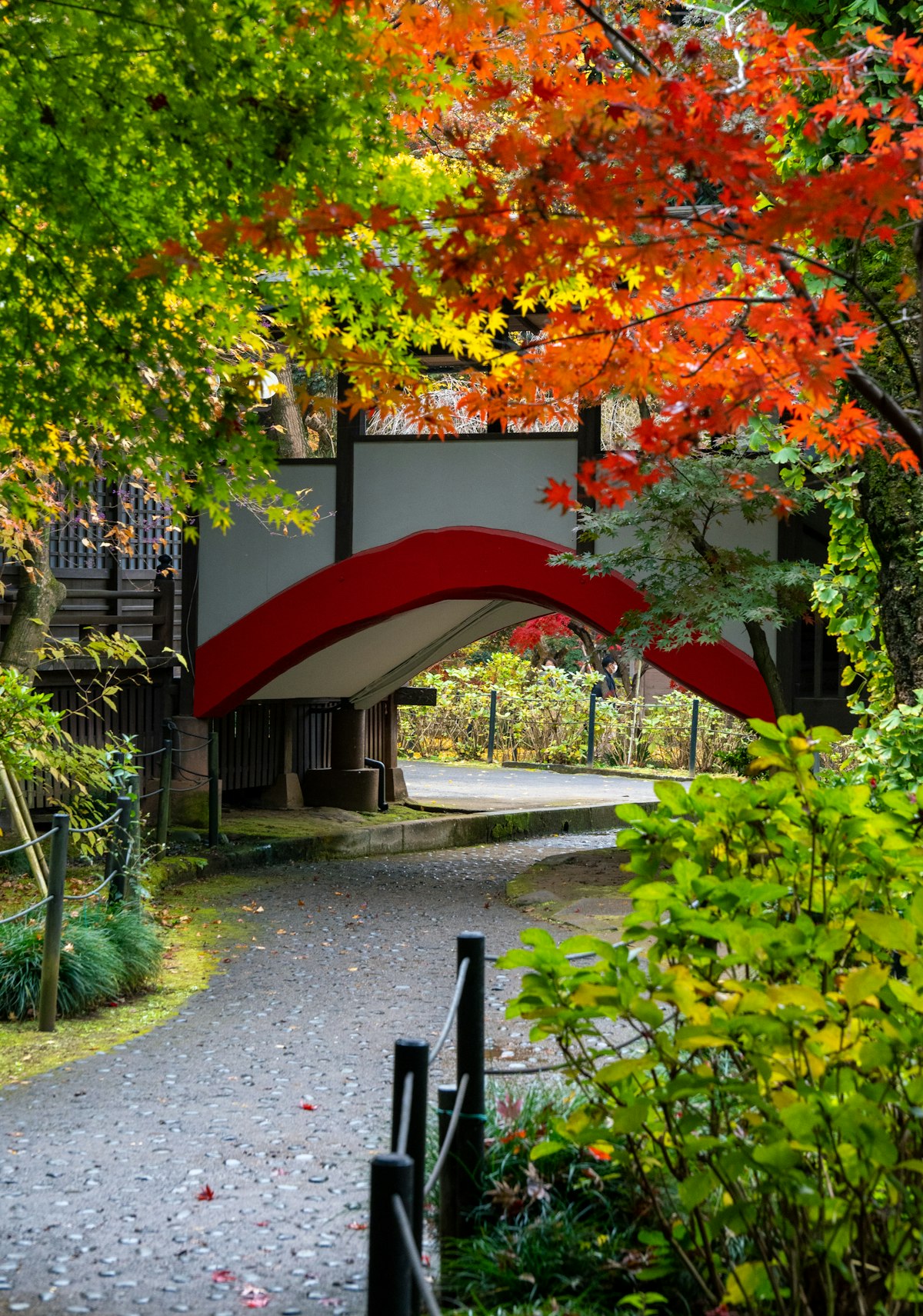
Best Places to See Autumn Foliage
- Arashiyama, Kyoto: The Sagano bamboo grove and surrounding hills blaze with color in November, making this already stunning area even more spectacular.
- Eikan-do Temple, Kyoto: Considered one of Kyoto’s best koyo spots. Evening illuminations transform the garden into something ethereal.
- Tofuku-ji Temple, Kyoto: Famous for its maple-filled ravine and spectacular stone garden. Gets crowded but is truly extraordinary.
- Nikko, Tochigi: The ornate shrines and temples of Nikko surrounded by autumn foliage is one of Japan’s great sights. Peak color usually hits late October–early November.
- Shinjuku Gyoen, Tokyo: Over 10 types of maple provide a spectacular urban foliage display in late November.
- Korankei, Aichi: A hidden gem in Nagoya’s mountains where 4,000 maple trees create an astonishing red tunnel.
🍁 See Kyoto’s autumn foliage with an expert guide! Book a Kyoto Autumn Foliage Walking Tour on Klook →
❄️ Winter in Japan (December–February): Snow, Serenity & Savings
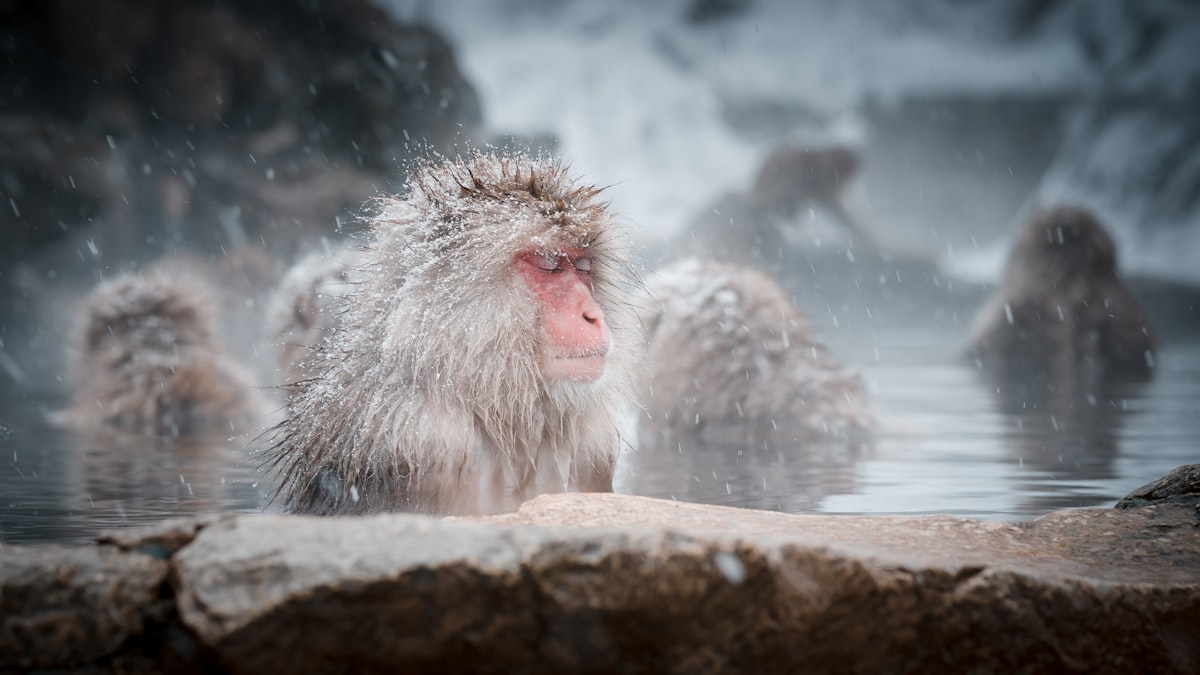
Winter is Japan’s best-kept travel secret. While most travelers assume Japan is best visited in spring or autumn, winter offers a compelling alternative — lower prices, smaller crowds, world-class skiing, magical snow-covered landscapes, and some of Japan’s most iconic festivals.
December: Festive Illuminations and Year-End Energy
December is a month of contrasts in Japan. The first half is relatively quiet, with cooler temperatures and lower hotel prices. But as Christmas approaches, Japan goes all-out with spectacular illumination events. Unlike in Western countries, Christmas in Japan is not a family holiday — it’s more of a romantic occasion. Couples flock to Roppongi Hills, Shiodome, and Marunouchi in Tokyo to see stunning light displays.
New Year’s Eve and New Year’s Day (Shōgatsu) are the most important holidays in the Japanese calendar. Hatsumōde (the first shrine visit of the year) draws enormous crowds to major temples and shrines — Meiji Shrine in Tokyo sees over 3 million visitors in the first three days of January. The lead-up to January 1 and the first week of January are among the most expensive times to travel in Japan.
January & February: Japan’s Budget Travel Window
Once the New Year celebrations end around January 3–4, Japan enters its quietest, most affordable travel period. Prices drop significantly — hotels that cost $150/night in October can be found for $70–80/night in January. Major tourist sites are notably less crowded.
The weather in January and February is cold but manageable in the main cities. Tokyo temperatures hover between 5–12°C (41–54°F), Kyoto is slightly colder. Bring a good coat, but you won’t need Arctic gear. The skies are often beautifully clear, offering some of the best views of Mount Fuji all year — the mountain’s snow-capped peak against a crystalline blue sky is simply stunning.
Skiing and Winter Sports in Japan
Japan is one of the world’s premier ski destinations, with legendary powder snow (Japow) that draws skiers and snowboarders from Australia, Europe, and North America. The main ski regions include:
- Niseko, Hokkaido: Japan’s most internationally famous ski resort, with reliable powder snow from December through March. Also offers fantastic après-ski.
- Hakuba, Nagano: Host to the 1998 Winter Olympics, with 10 interconnected resorts and excellent international infrastructure.
- Nozawa Onsen, Nagano: A charming traditional ski village with excellent onsen culture combined with good slopes.
- Rusutsu and Furano, Hokkaido: Less internationally known than Niseko, but with equally excellent snow and shorter lift lines.
- Zao Onsen, Yamagata: Famous for its juhyo (snow monsters) — trees completely encased in ice and snow, creating a surreal landscape.
🎿 Hit the slopes in Japan’s famous powder snow! Book a Niseko Ski Day Pass on Klook →
Winter Festivals & Experiences
- Sapporo Snow Festival (February 4–11, 2026): One of Japan’s most famous winter events. Over 200 snow and ice sculptures — some the size of buildings — line Odori Park and Susukino district. Approximately 2 million visitors attend each year.
- Nozawa Onsen Fire Festival (January 15): An 850-year-old festival where villagers attempt to set fire to a 15-meter wooden shrine while young men defend it with torches — dramatic, wild, and unforgettable.
- Otaru Snow Light Path Festival, Hokkaido (February): Thousands of snow candles and glass lanterns light up the canal town of Otaru, creating a romantic winter wonderland.
- Yokote Kamakura Festival, Akita (February 15–16): Hundreds of snow huts (kamakura) are built throughout the city, with children inside serving amazake and rice cakes to passersby.
Hot Springs (Onsen) in Winter
There is arguably no better time to enjoy Japan’s incredible onsen culture than winter. Soaking in steaming outdoor mineral baths (rotemburo) while snow falls around you is one of Japan’s most extraordinary experiences. The Tohoku region, Japanese Alps, and Hokkaido all have superb onsen towns, many of them accessible via Japan Rail Pass. Kinosaki Onsen (Hyogo), Kusatsu Onsen (Gunma), Beppu (Oita), and Nyuto Onsen (Akita) are among Japan’s finest.
📅 Month-by-Month Breakdown: Japan Throughout the Year
January ❄️
Weather: Cold and dry. Tokyo: 5–12°C (41–54°F). Kyoto: 4–10°C (39–50°F).
Crowds: Very low after January 3. New Year period (Jan 1–3) is extremely busy.
Prices: Low (except New Year period — very high).
Highlights: Hatsumōde (first shrine visit), clear Mount Fuji views, skiing in Hokkaido/Nagano, Nozawa Fire Festival (Jan 15).
Best for: Budget travelers, skiers, onsen lovers, photographers (clear skies for Fuji views).
February ❄️
Weather: Japan’s coldest month. Tokyo: 5–11°C (41–52°F). Hokkaido: -10 to 0°C (14–32°F).
Crowds: Year’s lowest in most regions.
Prices: Year’s lowest (except around Sapporo Snow Festival).
Highlights: Sapporo Snow Festival (Feb 4–11), plum blossoms begin in Tokyo/Kyoto, skiing at peak conditions.
Best for: Budget travelers, winter sports enthusiasts, those wanting maximum bang for their yen.
March 🌸
Weather: Warming rapidly. Tokyo: 9–17°C (48–63°F). Comfortable with a light jacket.
Crowds: Rising sharply from mid-March with cherry blossom season.
Prices: Rising sharply from mid-March.
Highlights: Cherry blossoms begin (late March in Tokyo, Kyoto). Plum blossoms peak. Hina Matsuri doll festival (March 3).
Best for: Cherry blossom chasers (aim for last week of March in Tokyo, Kyoto, Osaka).
April 🌸
Weather: Warm and pleasant. Tokyo: 13–20°C (55–68°F).
Crowds: Extremely high (peak season).
Prices: Peak season prices. Avoid Golden Week if possible (April 29–May 6).
Highlights: Cherry blossoms continue (Tohoku, Hokkaido). Wisteria begins in late April. Showa Day (April 29).
Best for: Cherry blossom viewing (if booked well ahead). Early April is magical; late April gets expensive during Golden Week.
May 🌿
Weather: Warm and mostly sunny. Tokyo: 18–25°C (64–77°F).
Crowds: Very high during Golden Week (May 1–6), then drops significantly.
Prices: Very high during Golden Week, then drops significantly.
Highlights: Wisteria peak. Late cherry blossoms in Hokkaido (Hirosaki Park, late April–early May). Fresh green foliage. Sanja Matsuri in Tokyo (third weekend of May).
Best for: Post-Golden Week travelers (May 7 onward is excellent value). Nature lovers, wisteria enthusiasts.
June 🌧️
Weather: Rainy season begins. Warm and humid. Tokyo: 22–26°C (72–79°F). Frequent showers.
Crowds: Low outside of weekends.
Prices: One of the lowest of the year.
Highlights: Hydrangea blooms (magnificent at Meigetsuin in Kamakura). Okinawa perfect (rainy season ended). Hokkaido gorgeous.
Best for: Budget travelers, Okinawa beach-goers, Hokkaido visitors.
July ☀️
Weather: Hot and humid. Tokyo: 26–31°C (79–88°F). Rainy season ends mid-month.
Crowds: Rising sharply from late July (school holidays start).
Prices: Rising from late July.
Highlights: Gion Matsuri in Kyoto (all month — July 17 and 24 are the float processions). Fireworks festivals nationwide. Tanabata Festival (July 7).
Best for: Festival lovers. Go early July to beat the worst heat and crowds.
August 🌞
Weather: Japan’s hottest month. Tokyo: 28–33°C (82–91°F). High humidity.
Crowds: Very high, especially mid-August (Obon).
Prices: High (especially around Obon, Aug 13–16).
Highlights: Obon Festival. Nebuta Matsuri (Aomori). Awa Odori (Tokushima). Okinawa beaches. Fireworks festivals everywhere.
Best for: Festival chasers who are heat-tolerant. Okinawa beach lovers.
September 🍂
Weather: Still warm but cooling. Tokyo: 23–28°C (73–82°F). Typhoon risk.
Crowds: Low to moderate (except Silver Week holidays).
Prices: Low to moderate. Get travel insurance.
Highlights: Moon-viewing festivals (tsukimi). Hokkaido autumn foliage begins. Okinawa still beach-worthy.
Best for: Budget-conscious travelers willing to risk typhoon disruption.
October 🍁
Weather: Ideal — mild and mostly dry. Tokyo: 17–23°C (63–73°F).
Crowds: Moderate, rising toward end of month.
Prices: Moderate, rising toward end of month.
Highlights: Jidai Matsuri in Kyoto (Oct 22). Nikko autumn foliage. Sake brewing season. Halloween events in Tokyo.
Best for: The sweet spot — great weather, reasonable prices, lighter crowds. Excellent for hiking.
November 🍁
Weather: Cool and crisp. Tokyo: 12–19°C (54–66°F). Generally dry.
Crowds: High, especially in Kyoto for autumn foliage.
Prices: High (second peak season after cherry blossoms).
Highlights: Peak autumn foliage in Kyoto, Nara, Tokyo. Temple illuminations. Autumn food season (mushrooms, persimmons, new sake).
Best for: Foliage lovers. Book accommodation 3–6 months ahead for Kyoto.
December 🎄
Weather: Cold. Tokyo: 8–14°C (46–57°F). Rarely snows in Tokyo.
Crowds: Low (except around Christmas/New Year).
Prices: Low, rising sharply from December 28.
Highlights: Spectacular illumination events throughout Japan. Autumn foliage continues in Tokyo (early December). New Year preparations.
Best for: Illumination photography, off-season budget travel, experiencing Japanese New Year traditions.
🎯 Best Time to Visit Japan by Travel Style
Best Time for First-Time Visitors
Recommended: Late March to early April OR October
First-timers often want the “classic Japan” experience — seeing cherry blossoms or autumn foliage while enjoying good weather and relatively comfortable conditions. Late March through early April delivers the iconic sakura experience, while October offers excellent weather with comfortable temperatures and lighter crowds than November.
See our complete 10-day Japan itinerary for first-time visitors.
Best Time for Budget Travelers
Recommended: January–February OR June
January and February (after the New Year holidays) and June (rainy season) offer Japan’s lowest hotel prices and minimal crowds. A hotel that costs $150/night in October can often be found for $70–90/night during these windows. Airfares tend to be cheaper too. You won’t have cherry blossoms, but you’ll have authentic, uncrowded Japan at a fraction of the peak-season cost.
Read more in our Japan travel budget guide.
Best Time for Avoiding Crowds
Recommended: January–February, June, or early September
Avoid Golden Week (late April–early May) and Obon (mid-August) at all costs if crowds bother you. These are Japan’s two biggest domestic holiday periods. For the absolute minimum crowds, mid-January to February is your best bet.
Best Time for Foodies
Recommended: October–November OR February–March
Autumn brings Japan’s richest seasonal produce — matsutake mushrooms, Pacific saury, chestnuts, persimmons, and the new sake (shinzake) season. Winter (February–March) features excellent crab in Hokkaido and the Japan Sea coast. Read our guide to what to eat in Japan for a full culinary calendar.
Best Time for Hiking and Outdoor Activities
Recommended: May OR October
These two months offer Japan’s most comfortable hiking conditions — mild temperatures, low humidity, and stunning scenery. May’s fresh green landscapes and October’s crisp autumn air make both months exceptional for exploring the Japan Alps, Kumano Kodo, and national parks.
Best Time for Skiing
Recommended: January–February (peak), with March also excellent in Hokkaido
Japan’s legendary powder snow is best from late December through February. Niseko, Hakuba, and Furano are at their finest. March often brings longer daylight hours and slightly warmer temperatures while still offering excellent snow.
Best Time for Beach and Tropical Experiences
Recommended: May–October for Okinawa
Okinawa’s beaches are enjoyable from late April through October. The best combination of warm weather, clear water, and manageable crowds is May–June and September–October, avoiding August (too crowded) and late September typhoon risk.
💰 Cost Comparison by Season
Understanding how season affects your Japan travel budget is crucial for planning. Here’s what you can realistically expect to pay for key expenses across different travel periods:
| Period | Mid-Range Hotel/Night | Airfare (from US) | Crowd Level | Overall Rating |
|---|---|---|---|---|
| Cherry Blossom Peak (late Mar–early Apr) | $150–250 | $900–1,400 | ⭐⭐⭐⭐⭐ | 9/10 (book far ahead) |
| Golden Week (late Apr–early May) | $200–400+ | $900–1,500 | ⭐⭐⭐⭐⭐ | 6/10 (avoid if possible) |
| Mid-May to mid-June | $90–150 | $750–1,100 | ⭐⭐ | 8/10 (underrated) |
| Rainy Season (mid-June–mid-July) | $75–120 | $700–1,000 | ⭐⭐ | 7/10 (best budget option) |
| Summer (late July–August) | $100–180 | $800–1,200 | ⭐⭐⭐⭐ | 7/10 (festivals are amazing) |
| October | $110–170 | $800–1,200 | ⭐⭐⭐ | 10/10 (best overall) |
| Autumn Foliage Peak (mid–late Nov) | $130–200 | $800–1,200 | ⭐⭐⭐⭐ | 9/10 (book ahead) |
| Winter (Jan–Feb) | $65–100 | $650–950 | ⭐ | 8/10 (hidden gem season) |
🎊 Japan Festival Calendar 2026
| Month | Festival / Event | Location |
|---|---|---|
| January | Hatsumōde (First Shrine Visit) | Nationwide (Jan 1–3) |
| January | Nozawa Onsen Fire Festival | Nozawa Onsen, Nagano (Jan 15) |
| February | Sapporo Snow Festival | Sapporo, Hokkaido (Feb 4–11) |
| February | Otaru Snow Light Path Festival | Otaru, Hokkaido (mid-Feb) |
| March | Hina Matsuri (Doll Festival) | Nationwide (March 3) |
| Late Mar–Apr | Cherry Blossom / Hanami Season | Nationwide |
| April | Miyako Odori (Geisha Dance) | Gion, Kyoto (Apr 1–30) |
| May | Sanja Matsuri | Asakusa, Tokyo (3rd weekend) |
| May | Wisteria Festival | Ashikaga Flower Park & Kawachi Fuji |
| July | Gion Matsuri | Kyoto (all month; parade July 17 & 24) |
| July | Tanabata Festival | Sendai (Aug 6–8), nationwide (July 7) |
| July | Sumida River Fireworks | Tokyo (late July) |
| August | Nebuta Matsuri | Aomori (Aug 2–7) |
| August | Obon / Bon Odori Dances | Nationwide (Aug 13–16) |
| August | Awa Odori | Tokushima (Aug 12–15) |
| October | Jidai Matsuri | Kyoto (Oct 22) |
| Oct–Nov | Autumn Foliage / Koyo Season | Nationwide |
| December | Christmas Illuminations | Tokyo, Osaka, Sapporo (Dec 1–25) |
🧳 What to Pack for Each Season in Japan
Spring Packing List
- Light layers — mornings can be cool (10°C/50°F), afternoons warm (20°C/68°F)
- A compact umbrella (spring showers are common)
- Comfortable walking shoes (you’ll walk 15,000+ steps daily)
- Allergy medication if you suffer from hay fever (kafunshō is widespread in spring)
- A light waterproof jacket
Summer Packing List
- Lightweight, breathable, moisture-wicking clothing
- High-SPF sunscreen (Japan sells excellent options locally)
- A portable mini fan (essential — sold everywhere in Japan)
- Electrolyte drinks or tablets
- A small towel for sweating
- Compact umbrella (for rain AND sun)
- Comfortable sandals for festivals
Autumn Packing List
- Light to medium layers — warm days, cool evenings
- A medium-weight jacket for November
- Comfortable walking shoes
- A light scarf for cooler nights
Winter Packing List
- A warm coat (down jacket ideal)
- Thermal base layers for Hokkaido or the mountains
- Good walking boots (light waterproofing helpful)
- Gloves and a hat for northern Japan
- Lip balm and hand cream (Japan’s winter air is very dry)
💡 Insider Tips for Each Season
Spring Tips
- Book 3–6 months ahead for cherry blossom season. Hotel availability in Kyoto and Tokyo is extremely tight in late March–early April.
- Visit gardens on weekday mornings — crowds at popular spots like Maruyama Park or Shinjuku Gyoen are dramatically smaller before 9am.
- Follow the sakura forecast — Japan Meteorological Corporation releases updated cherry blossom predictions from January. Check before finalizing dates.
- Head north to extend the season — if you visit Tokyo during full bloom, consider spending a few more days in Sendai or Hokkaido to see late-blooming cherry blossoms.
Summer Tips
- Start early, rest midday — temples and shrines are beautiful in the early morning with few visitors. The hours from 12pm–3pm are brutal; spend them in a cool museum or restaurant.
- Carry a cooling spray — available at every drug store and convenience store in Japan. A game-changer in the heat.
- Buy a yukata (summer kimono) — wearing one to summer festivals is absolutely culturally appropriate and enormously fun. Department stores sell affordable options.
- Take the night train to avoid heat — traveling by overnight train or bus saves you a day in the heat AND a night’s hotel cost.
Autumn Tips
- Check foliage reports daily — Japan-guide.com and NHK release live foliage reports during the season. Foliage peaks can shift by weeks depending on temperatures.
- Book evening illumination tickets in advance — Kyoto temples like Eikan-do and Tofuku-ji sell out their evening illumination tickets weeks ahead.
- Consider less-famous spots — Osaka’s Minoh Park, Kyoto’s Fushimi area, and Tokyo’s Jindai Botanical Garden offer spectacular foliage without Arashiyama’s crowds.
Winter Tips
- Get a Japan Rail Pass — winter Shinkansen prices are lower and the JR Pass offers excellent value for combining Tokyo sightseeing with a Hokkaido ski trip.
- Book onsen ryokan well ahead for New Year — traditional Japanese inns are booked out months in advance for December 30–January 3.
- Visit Kyoto without crowds — winter is hands-down the best time to experience Kyoto’s famous temples and shrines in near-solitude. Kinkaku-ji (the Golden Pavilion) in light snow is one of Japan’s most magical sights.
- Try winter seasonal foods — nabe (hot pot), fugu (pufferfish), snow crab, and oysters are at their peak in winter. Don’t miss them.
❓ Frequently Asked Questions
What is the absolute best month to visit Japan?
October is widely considered the single best month to visit Japan for most travelers. The weather is ideal — warm sunny days (17–23°C / 63–73°F) and cool evenings. Typhoon season has largely passed. Autumn foliage hasn’t fully peaked yet, so crowds are lighter than November. Prices haven’t hit peak-season highs. You’ll find a Japan that feels both vibrant and manageable. For cherry blossom lovers, late March to early April is the alternative top choice.
When should I avoid visiting Japan?
Two periods in particular are worth avoiding unless you’ve planned meticulously: Golden Week (late April–early May), when Japanese domestic tourism surges and prices triple or quadruple; and Obon (mid-August), when a similar domestic travel rush hits alongside brutally hot and humid weather. The rainy season (mid-June to mid-July) isn’t ideal for outdoor activities, though it’s excellent for budget travelers.
Is Japan worth visiting in winter?
Absolutely. Winter (January–February) is Japan’s best-kept travel secret. Prices are at their lowest, crowds are minimal, and the country offers exceptional experiences: world-class skiing in Hokkaido and the Japanese Alps, magical snow festivals (Sapporo Snow Festival, Yokote Kamakura), romantic onsen experiences in snow-covered ryokan, and the chance to see iconic sights like Kyoto’s temples and Nara’s deer park without the overwhelming crowds of peak season.
How far in advance should I book my Japan trip?
For cherry blossom season (late March–early April) and peak autumn foliage in Kyoto (mid–late November), book hotels 4–6 months in advance — accommodation sells out fast. For Golden Week, 6+ months ahead is recommended. During the off-season (January–February, June), you can often book 4–6 weeks ahead. Flights to Japan are generally cheapest when booked 3–5 months in advance regardless of season.
What is Japan like during the rainy season?
Japan’s rainy season (tsuyu) runs roughly from mid-June to mid-July across most of Honshu. It doesn’t rain all day every day — typically you’ll get grey skies, frequent showers, and occasional heavy rain. The rain is steady and warm, not cold. Many travelers find the season underrated: hydrangea blooms are spectacular, queues at attractions disappear, hotel prices drop to their annual lows, and the lush green landscapes are genuinely beautiful. Hokkaido and Okinawa largely escape tsuyu and are excellent destinations during June–July.
When do cherry blossoms bloom in Japan in 2026?
In 2026, cherry blossoms are expected to begin blooming in Tokyo around March 20–22, reaching full bloom around March 27–30. Kyoto typically follows a few days later, with full bloom around March 31–April 3. Osaka is similar to Kyoto. Northern Japan (Tohoku) sees cherry blossoms in early-to-mid April, while Hokkaido doesn’t bloom until late April or early May. Note that cherry blossom timing varies each year based on winter and early spring temperatures; check the Japan Meteorological Corporation forecast closer to your travel date for the most accurate predictions.
Is Japan expensive to visit? Does the season affect costs?
Japan’s travel costs vary dramatically by season. During cherry blossom peak (late March–early April), Golden Week (late April–early May), and peak autumn foliage (mid–late November), hotel prices in popular cities can be double or triple the off-season rate. In contrast, January–February and June offer Japan’s lowest accommodation prices. Food costs, transport (JR Pass), and activities remain relatively consistent throughout the year. A mid-range daily budget in Japan typically runs $100–150/day in the off-season and $150–250+/day during peak periods. Read our complete Japan travel budget guide for a detailed breakdown.
What is the weather like in Japan in October?
October is one of Japan’s finest months weather-wise. In Tokyo, average temperatures range from 17–23°C (63–73°F) during the day, dropping to 13–16°C at night. Kyoto is similar. Skies are frequently clear and blue. Rainfall is lower than summer, and the humidity of summer has largely dissipated. It’s warm enough for T-shirts during the day but you’ll want a light jacket in the evenings. Overall, October offers near-perfect travel conditions — which is why it’s considered Japan’s best month by many experienced travelers.
🗺️ Start Planning Your Japan Trip
Now that you know the best time to visit Japan for your travel style and budget, it’s time to start planning the details. Whether you’re dreaming of cherry blossoms in Kyoto, fireworks festivals in Tokyo, or powder snow in Hokkaido, Japan has something extraordinary waiting for you in every season.
Here are some resources to help you plan:
- 📍 Complete 10-Day Japan Itinerary for First-Time Visitors — Our step-by-step guide covering the highlights of Tokyo, Kyoto, Osaka, and beyond.
- 💰 Japan Travel Budget Guide 2026 — How much does Japan actually cost? A detailed breakdown for every budget level.
- 🍜 What to Eat in Japan: The Ultimate Japanese Food Guide — From ramen to sushi, yakitori to wagashi — everything you need to know about Japanese cuisine.
🏨 Ready to book your Japan accommodation? Find and Book the Best Japan Tours & Experiences on Klook →
Japan is one of those rare destinations that rewards every type of traveler — and truly shines in every season. The “best time” is ultimately the time that works best for you. We hope this guide helps you find it. Happy travels! 🇯🇵
🗾 Best Time to Visit Japan by Region
Japan’s geography means that the “best time” varies significantly between regions. Here’s a region-by-region breakdown:
Tokyo: Best Visited in Late March–April or October
As Japan’s capital and most visited city, Tokyo has no true “bad” season — it simply depends on what you want. Late March through early April offers the world-famous cherry blossom experience in parks like Ueno, Shinjuku Gyoen, and along the Meguro River. October is arguably Tokyo’s finest month: warm, dry, and with pleasant temperatures ideal for walking the city’s endlessly fascinating neighborhoods.
Summer in Tokyo (July–August) is extremely hot and humid — temperatures regularly exceed 35°C (95°F) — but the city’s summer festival culture is spectacular, culminating in the massive Sumida River Fireworks Festival in late July. Winter in Tokyo (December–February) is cold but rarely freezing (it snows only a few times a year) and offers the city’s best illumination events and year-end atmosphere.
Avoid: Golden Week (late April–early May) unless booked well ahead. The city is packed with domestic and international tourists, and hotel prices skyrocket.
Kyoto: Best Visited in Late March–April or Mid-November
Kyoto is Japan’s cultural heart, and arguably its most beautiful city — but it’s also among the most visited, which means crowd management is essential. The two absolute peak times are cherry blossom season (late March–early April) and autumn foliage peak (mid–late November), both of which are extraordinarily beautiful but extraordinarily crowded.
If you want Kyoto’s beauty without the masses, consider late January to mid-February: the city’s temples and bamboo groves are almost empty, prices are the lowest of the year, and on rare occasions when light snow falls, the city becomes incomparably magical. Early May (post-Golden Week) is another excellent window — lush green landscapes, mild weather, and sharply reduced crowds.
Best insider tip: In Kyoto’s peak seasons, visit the most popular sites (Fushimi Inari, Arashiyama, Kinkaku-ji) before 8am. You’ll experience them in near-solitude and the early morning light is perfect for photography.
Osaka: Best Visited March–May or October–November
Osaka is Japan’s most food-obsessed city and its most extroverted — a place of big flavors, big laughs, and big crowds at the tachigui (standing) ramen counters. Unlike Kyoto, Osaka’s appeal is more urban and culinary than scenic, making it somewhat less season-dependent. That said, spring and autumn remain the most pleasant times to explore Osaka Castle Park’s cherry blossoms or the autumn foliage around Minoh Waterfall.
Osaka also shines in summer (despite the heat) because of Tenjin Matsuri (July 24–25), one of Japan’s top three festivals, and the city’s incredible summer food culture. The Dotonbori neon signs reflecting in the canal water at night are beautiful year-round, but especially atmospheric on a warm summer evening.
Hokkaido: Best Visited in July–August or February for Snow
Hokkaido operates on an entirely different seasonal calendar to the rest of Japan. When Honshu is sweltering in summer, Hokkaido offers a blessed escape — temperatures rarely exceed 25°C (77°F) even in the height of summer, making July and August the most popular time to visit. The lavender fields of Furano bloom spectacularly in mid-July, and Hokkaido’s national parks (Daisetsuzan, Shiretoko) are at their lushest.
In winter (January–February), Hokkaido transforms into a snow paradise. Niseko, Furano, and Rusutsu are among the world’s best ski resorts. The Sapporo Snow Festival (early February) draws 2 million visitors. Hokkaido largely escapes the June rainy season that affects the rest of Japan, making June another excellent (and very quiet) time to visit.
Okinawa: Best Visited May–October (Beach Season)
Okinawa is Japan’s tropical escape — a chain of subtropical islands with crystal-clear water, coral reefs, and a distinct Ryukyuan culture quite different from mainland Japan. Okinawa’s beach season runs from approximately late April through October, with May–June and September–October offering the best combination of warm weather, fewer crowds, and relatively clear water.
Note that Okinawa’s rainy season (tsuyu) runs from mid-May to mid-June — about a month earlier than mainland Japan. Typhoon season peaks from August through September. If beach snorkeling and diving are your priority, book for late September or October, when the weather has stabilized, the Japanese summer holiday rush has passed, and the water is still warm.
The Japanese Alps (Nagano, Gifu, Toyama): Best in Summer and Winter
The Japanese Alps region offers Japan’s most dramatic mountain scenery and has two completely different peak seasons. In winter (January–March), it becomes a world-class ski destination with resorts like Hakuba (Nagano), Shiga Kōgen, and the famous Shirakawa-go and Gokayama historic villages under deep snow. The Tateyama Kurobe Alpine Route — a spectacular mountain crossing through the Northern Alps — opens in mid-April with snow walls rising up to 20 meters on either side of the road.
In summer (July–August), the same mountains offer excellent hiking. The Kamikochi valley in Nagano is one of Japan’s most beautiful alpine landscapes, with the snow-capped Hotaka peaks reflected in the crystal-clear Azusa River. This area is closed in winter (mid-November to mid-April).
🌡️ Japan Weather Data: Temperature and Rainfall by City and Month
Here’s a comprehensive weather reference table for Japan’s major cities:
Tokyo Average Temperatures & Rainfall
| Month | Avg High (°C/°F) | Avg Low (°C/°F) | Rain Days | Notes |
|---|---|---|---|---|
| January | 10°C / 50°F | 2°C / 36°F | 5 | Clear, cold, dry |
| February | 11°C / 52°F | 2°C / 36°F | 6 | Coldest month, occasional snow |
| March | 14°C / 57°F | 6°C / 43°F | 10 | Warming, cherry blossoms end of month |
| April | 19°C / 66°F | 11°C / 52°F | 10 | Cherry blossoms, perfect spring weather |
| May | 23°C / 73°F | 15°C / 59°F | 10 | Warm, fresh green, excellent |
| June | 25°C / 77°F | 20°C / 68°F | 14 | Rainy season, hydrangeas bloom |
| July | 29°C / 84°F | 24°C / 75°F | 12 | Hot and humid, festivals |
| August | 31°C / 88°F | 25°C / 77°F | 10 | Hottest month, very humid |
| September | 27°C / 81°F | 21°C / 70°F | 14 | Typhoon risk, still warm |
| October | 22°C / 72°F | 15°C / 59°F | 10 | Perfect weather, low humidity |
| November | 17°C / 63°F | 9°C / 48°F | 8 | Autumn foliage peak, cool |
| December | 13°C / 55°F | 4°C / 39°F | 6 | Cool and dry, illuminations |
🚄 Transportation Tips by Season
Getting around Japan efficiently is key to a great trip — and the season significantly affects how you should plan your transportation strategy.
Japan Rail Pass: When Is It Worth It?
The Japan Rail Pass (JR Pass) provides unlimited travel on most JR trains, including Shinkansen bullet trains, for a fixed period (7, 14, or 21 days). It’s particularly valuable if you’re combining multiple cities (e.g., Tokyo → Kyoto → Hiroshima → Osaka → Tokyo).
For a typical two-week itinerary covering Tokyo, Kyoto/Osaka, and one or two additional cities, the 14-day JR Pass generally pays for itself. However, if you’re staying primarily in Tokyo or doing a Hokkaido ski trip, the pass may not be the best value — calculate based on your specific itinerary.
Seasonal note: During Golden Week and Obon, Shinkansen reservations (which are required even with a JR Pass for many trains) fill up weeks in advance. Make your Shinkansen seat reservations as soon as your travel dates are confirmed.
Domestic Flights: Best for Hokkaido and Okinawa
For destinations like Hokkaido and Okinawa, domestic flights from Tokyo are often faster and sometimes cheaper than Shinkansen. Japan’s low-cost carriers (Jetstar Japan, Peach Aviation, Skymark) offer competitive fares — book early for the best prices. Peak summer (July–August) and holiday periods see domestic flight prices spike.
Renting a Car: Best in Off-Season Rural Travel
A rental car is invaluable for exploring rural Japan — the Iya Valley in Shikoku, the rice terraces of Noto Peninsula, the backroads of Tohoku, or the national parks of Hokkaido. Outside of peak seasons (cherry blossoms, Golden Week, Obon, autumn foliage in popular areas), rental cars are affordable and the roads are relatively empty. Note that driving in snow requires winter tires, which are standard on rentals in Hokkaido but should be confirmed when booking.
📸 Photography Tips by Season
Japan is one of the world’s most photogenic countries, and each season presents unique opportunities:
Spring Photography
Cherry blossom photography in Japan can be extremely challenging due to crowds. The best strategy: be at your chosen spot before sunrise. The soft, diffused light of early morning is ideal for sakura, the crowds are minimal, and the reflections of blossoms in water (along the Meguro River, at Osaka Castle moat, at Arashiyama’s Hozu River) are extraordinary. For night photography, look for lit-up (yozakura) cherry blossom events — Maruyama Park in Kyoto illuminates its famous weeping cherry tree every evening during bloom season.
Summer Photography
Japan’s summer festivals offer extraordinary photography — the dramatic floats of Gion Matsuri, the illuminated floats of Nebuta Matsuri, the lanterns of Obon. Use a tripod and slow shutter speeds for fireworks festivals. For landscape photography, the lavender fields of Hokkaido (peak in mid-July) and the emerald green rice terraces of the countryside are stunning. Morning mist in mountain valleys like Hakone and the Iya Valley creates ethereal scenes.
Autumn Photography
Autumn foliage (koyo) in Japan rivals cherry blossoms in sheer visual impact. The red and orange maples of Kyoto’s Eikan-do Temple, the fiery hills surrounding Nikko’s temples, and the perfectly reflected autumn colors in the still ponds of temple gardens make November one of Japan’s finest photography months. Golden hour light in late afternoon illuminates the foliage from below, creating almost surreal saturated colors. Many temples open for special “illumination” events after dark — these night-lit foliage scenes are uniquely beautiful.
Winter Photography
Winter offers some of Japan’s most magical photographic opportunities. Snow-covered temples in Kyoto (rare but unforgettable when it happens). The geometric patterns of snow-laden pine trees in Japanese gardens. The enormous snow sculptures of Sapporo. The juhyo (snow monsters — trees completely coated in ice and snow) of Zao Onsen in Yamagata. And of course, the classic image of Mount Fuji reflected in Lake Kawaguchiko on a crisp, clear winter morning — this is when the mountain is most consistently snow-capped and visible.
🌸 Cherry Blossom Deep Dive: Everything You Need to Know
Because cherry blossom season is the single most popular reason international tourists visit Japan, it deserves a more detailed examination.
How Cherry Blossoms Work
Japan’s cherry blossoms (sakura) are triggered by a combination of winter cold temperatures and spring warmth. Scientists track cherry blossom development using a “chilling unit” model — trees need sufficient cold to break dormancy, then warming temperatures to develop buds. This is why warmer winters can actually delay cherry blossoms by not providing enough chilling units, while very cold winters followed by warm springs can accelerate them.
The sakura front (sakura zensen) begins when Japan Meteorological Corporation announces the “first bloom” (kaika) — when about 10% of buds on the standard observation tree (a specific Someiyoshino cherry at each weather station) have opened. Full bloom (mankai) is declared when 70–80% of buds are open. The window between first bloom and full bloom is typically about 1–2 weeks.
Types of Cherry Blossoms
Japan has over 600 varieties of sakura, but the most common is Someiyoshino — the pale pink, nearly white variety you see everywhere in Tokyo and Kyoto. Other notable varieties include:
- Kohigan (at Takato in Nagano): A rare, deep pink variety — much more vibrant than Someiyoshino, blooming slightly earlier.
- Shidare-zakura (weeping cherry): Long, cascading branches create a romantic, curtain-like effect. Maruyama Park’s famous weeping cherry is this variety.
- Yamazakura (mountain cherry): Wild cherry found in mountains. Blooms slightly later and is more delicate than Someiyoshino.
- Ito-zakura (thread cherry): Extremely long, thin branches that sweep the ground — found at Heian Shrine in Kyoto.
- Fugenzouno: A double-petalled variety that blooms up to two weeks after Someiyoshino, extending the season in any given location.
Hanami Culture: Cherry Blossom Parties
Hanami (“flower viewing”) is one of Japan’s most beloved traditions. During peak bloom, locals gather under cherry trees in parks with food, drinks, and company — from intimate family picnics to boisterous work party celebrations. As a foreign visitor, you’re absolutely welcome to join in the hanami spirit. Pick up snacks and drinks from a convenience store or supermarket, find a spot under the trees, and enjoy.
Popular hanami spots like Ueno Park and Shinjuku Gyoen in Tokyo, Maruyama Park in Kyoto, and Osaka Castle Park fill up extremely early on weekends during peak bloom. For the best spots, you’ll need to arrive by early morning or send a “ground scout” to secure a space while others buy food.
🍁 Autumn Foliage Deep Dive: Japan’s Second Peak Season
How Autumn Foliage Works
Japan’s autumn foliage (koyo) is triggered by the decreasing daylight and dropping temperatures of autumn. Japanese maple (momiji) is the star of the show — its leaves turn from green to brilliant yellow, orange, and red. Ginkgo trees turn a spectacular uniform gold. The timing of peak color is highly temperature-dependent: a cold September and October accelerate the process, while warm autumn weather delays it.
The koyo front moves from north to south — the opposite direction to cherry blossoms in spring. Hokkaido’s mountains see color change in late September, Nikko in late October, and Kyoto typically peaks in mid-to-late November.
Best Foliage Destinations Beyond the Obvious
While Kyoto and Nikko are Japan’s most famous foliage destinations, several lesser-known spots deliver equally spectacular color with far fewer crowds:
- Korankei, Aichi Prefecture: A narrow gorge in the mountains east of Nagoya, lined with 4,000 maple trees. The red tunnel effect is extraordinary. Peak: early-to-mid November.
- Sounkyo Gorge, Hokkaido: Dramatic rocky canyon with spectacular early-season foliage. Peak: early October.
- Ruriko-ji Temple Area, Yamaguchi: Far less visited than Kyoto but with stunning autumn foliage surrounding the five-story pagoda of Ruriko-ji.
- Kenroku-en Garden, Kanazawa: One of Japan’s three great gardens, surrounded by autumn foliage in November.
- Momijidani Park, Miyajima: The floating torii gate island near Hiroshima is breathtaking in autumn, with the foliage reflected in the Seto Inland Sea.
🍣 Seasonal Food Guide: What to Eat in Japan Each Season
Japan’s cuisine is profoundly seasonal. The concept of shun (食の旬) — eating ingredients at their seasonal peak — is fundamental to Japanese cooking. Here’s what to look for in each season:
Spring Foods (March–May)
- Sansai: Wild mountain vegetables — bamboo shoots (takenoko), fiddlehead ferns (warabi), and butterbur (fuki) appear in early spring. Found in tempura, rice dishes, and traditional kaiseki cuisine.
- Sakura-mochi: Pink rice cakes wrapped in a pickled cherry blossom leaf — the quintessential spring sweet, found at every wagashi shop.
- Hanami bento: Elaborate packed lunches designed for cherry blossom viewing parties. Department stores and high-end delis create special seasonal versions.
- Takenoko gohan: Bamboo shoot rice, fragrant and delicious in April.
Summer Foods (June–August)
- Kakigori: Shaved ice with sweet syrups — Japan’s version is far more sophisticated than it sounds, with natural fruit syrups, condensed milk, and creative flavor combinations.
- Hiyashi chuka: Cold ramen noodles with colorful toppings — a summer staple appearing on restaurant menus only in summer months.
- Edamame: Summer soybeans at their freshest and most flavorful.
- Unagi: Grilled eel over rice is traditionally eaten in midsummer (especially on Doyo no Ushi no Hi, the “day of the ox”) for stamina in the heat.
- Shiso: Fresh perilla leaves, used as garnish and in salads. Their coolness is particularly refreshing in summer.
Autumn Foods (September–November)
- Matsutake mushrooms: Japan’s most prized (and expensive) mushroom, with an extraordinary earthy fragrance. Found in rice dishes, hot pot, and tempura in October.
- Sanma (Pacific saury): Grilled and eaten with grated daikon radish, this oily fish is the quintessential autumn food. September and October are peak season.
- Kuri (chestnuts): Roasted street chestnuts, chestnut rice (kurigohan), and chestnut sweets appear throughout autumn.
- Shinmai and shinzake: New-harvest rice and fresh-pressed sake debut in autumn — both taste noticeably different from stored varieties.
- Persimmons (kaki): Japan has dozens of persimmon varieties, eaten fresh, dried, or in sweets.
Winter Foods (December–February)
- Nabe (hot pot): Various styles of hot pot — shabu-shabu, sukiyaki, chanko nabe, oden — are Japan’s ultimate winter comfort foods.
- Kani (crab): Snow crab and Dungeness crab from the Japan Sea are at their peak sweetness in winter (December–February). The crab restaurants of Kanazawa, Kinosaki Onsen, and Tottori are pilgrimage-worthy.
- Fugu (blowfish): This famously dangerous-if-incorrectly-prepared fish is at its most delicious in winter, particularly in Osaka and Shimonoseki.
- Yudofu: Simple tofu simmered in kombu broth — a Kyoto winter specialty, warming and deeply flavorful.
- Amazake: A sweet, low-alcohol fermented rice drink served hot at shrine stalls — particularly during New Year.
For a complete guide to Japanese cuisine, read our What to Eat in Japan article, covering the country’s most iconic dishes from ramen to sushi.
🏯 When to Visit Japan’s Top Attractions
Mount Fuji
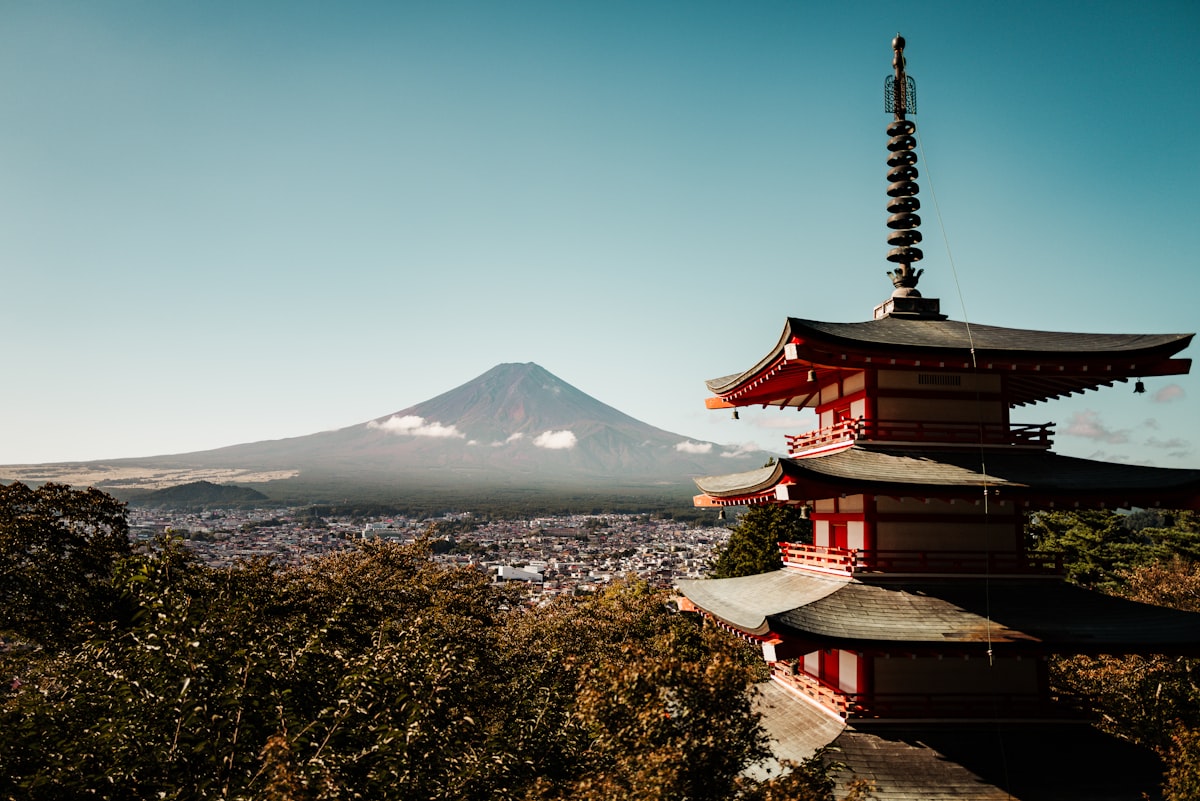
Mount Fuji’s official climbing season runs from early July to early September — the only time the Yoshida and Subashiri trails are fully staffed with safety checkpoints. For viewing (rather than climbing) Fuji, winter offers the clearest views — December through February sees the mountain reliably snow-capped against crystalline blue skies.
Hiroshima and Miyajima
Hiroshima is a year-round destination. Miyajima Island (home to the floating torii gate) is spectacular in every season: cherry blossoms frame the gate in spring, autumn foliage reflects in the sea in November, and occasional snow in winter creates an almost otherworldly scene.
Hakone
This mountain resort town southwest of Tokyo is famous for its hot springs and views of Mount Fuji. Clear winter days (November–March) offer the best Fuji views. Spring brings cherry blossoms along the Hayakawa River. Summer is actually quite pleasant in Hakone as the altitude moderates the heat. Autumn foliage in late October–November is spectacular around Lake Ashi.
Nara
Nara — with its freely roaming deer and massive Great Buddha statue at Tōdai-ji — is wonderful year-round but particularly beautiful in autumn when the deer wander among falling maple leaves. Spring cherry blossoms at Nara Park are magnificent.
🎌 Japan Public Holidays 2026: Plan Around These Dates
Japan’s public holidays significantly affect travel conditions. Here is the complete list of national holidays for 2026:
| Date | Holiday | Impact on Travelers |
|---|---|---|
| January 1 | New Year’s Day (Shōgatsu) | Highest prices of year. Shrines packed. Many restaurants closed. |
| January 12 | Coming of Age Day | Beautiful kimono-clad young adults at shrine ceremonies. |
| February 11 | National Foundation Day | Minor impact. Coincides with Sapporo Snow Festival. |
| March 20 | Vernal Equinox Day | Coincides with early cherry blossom period. |
| April 29–May 5 | Golden Week | ⚠️ Maximum crowds and prices. Avoid if possible. |
| August 11–17 | Obon (Mountain Day + Obon) | ⚠️ Maximum domestic travel. Very hot. |
| November 3 | Culture Day | Free admission to national museums. Peak autumn weather. |
| November 23 | Labour Thanksgiving Day | Peak autumn foliage in many areas. |
🏨 Accommodation Tips by Season
Traditional Ryokan: Best in Autumn and Winter
A traditional Japanese inn (ryokan) is one of Japan’s most distinctive experiences — sleeping on futon mattresses in tatami-mat rooms, wearing yukata robes, soaking in communal hot springs, and enjoying elaborate multi-course kaiseki dinners. Ryokan are available year-round, but the experience feels most authentic and cozy in autumn (when maple leaves color the gardens) and winter (when outdoor baths are steaming in the cold).
Book top-tier ryokan (those in onsen towns like Kinosaki, Kusatsu, or Noboribetsu) 3–6 months ahead for peak seasons.
Capsule Hotels: Best Year-Round for Budget Travelers
Japan’s capsule hotels have evolved dramatically from their original utilitarian form. Modern capsule hotels offer remarkably comfortable, well-designed sleeping pods with good soundproofing, individual lighting and entertainment controls, and excellent shared facilities (often including onsen). For solo travelers, they’re excellent value at $25–50/night in most cities.
Business Hotels: Best Value Year-Round
Japan’s business hotel chains — Dormy Inn, APA Hotel, Toyoko Inn, Comfort Hotel — represent extraordinary value. For $60–100/night, you’ll typically get a clean, compact but well-designed room with excellent Wi-Fi, and often access to a ground-floor hot spring bath.
Booking Strategy by Season
- Cherry blossom season (late March–early April): Book 4–6 months in advance. Non-negotiable for Kyoto, Tokyo, and Hiroshima.
- Golden Week (late April–early May): Book 6+ months ahead or adjust your dates. Prices are highest of the year.
- Summer (July–August): Book 2–3 months ahead for popular destinations.
- Autumn foliage peak (mid–late November): Book 3–5 months ahead for Kyoto. Other cities have more flexibility.
- Winter (January–February): Ski resorts in Hokkaido and Nagano (especially Niseko) book out early — aim for 3–4 months ahead. Main cities can often be booked 4–6 weeks ahead.
🌏 Visa and Entry Requirements for Japan 2026
Japan’s entry requirements are relatively straightforward for most international visitors:
Visa-Free Countries
Citizens of over 70 countries can visit Japan visa-free for tourism purposes, typically for stays up to 90 days. This includes all EU countries, the United States, Canada, Australia, New Zealand, and the United Kingdom.
Practical Entry Tips
- Download the Visit Japan Web app before departure — it allows you to complete customs and immigration declarations digitally, significantly reducing arrival processing time.
- Get a Suica or Pasmo IC card at the airport immediately upon arrival. These rechargeable transit cards work on virtually all public transportation in Japan and at most convenience stores.
- Purchase a local SIM card or pocket WiFi at the airport — staying connected in Japan is essential for navigation and real-time transit information.
🔁 Itinerary Ideas by Season
7-Day Spring Cherry Blossom Itinerary
Best dates: March 28–April 10, 2026
- Days 1–3: Tokyo — Shinjuku Gyoen, Meguro River walk, Ueno Park hanami
- Day 4: Day trip to Nikko or Kamakura — beautiful cherry blossoms around temples
- Days 5–7: Kyoto — Philosopher’s Path, Maruyama Park, Kiyomizudera, Arashiyama
7-Day Autumn Foliage Itinerary
Best dates: November 12–25, 2026
- Day 1: Nikko (day trip from Tokyo) — Peak foliage around November 1–10
- Days 2–3: Tokyo — Shinjuku Gyoen, Rikugien illuminations, Hamarikyu Garden
- Days 4–7: Kyoto — Eikan-do, Tofuku-ji, Arashiyama, Kinkaku-ji
7-Day Winter Budget Itinerary
Best dates: January 8–20, 2026
- Days 1–3: Tokyo — Clear Fuji views, illuminations, quiet temples
- Day 4: Hakone — Spectacular Fuji views, open-air museum, onsen ryokan
- Days 5–7: Kyoto — Kinkaku-ji in winter quiet, Philosopher’s Path near-empty
10-Day Japan Highlight Itinerary
For a comprehensive first visit, see our detailed 10-Day Japan Itinerary. It covers Tokyo, Kyoto, Osaka, and beyond with day-by-day detail.
💡 Final Verdict: Our Recommended Travel Windows for 2026
After all this analysis, here’s our final recommendation for when to visit Japan in 2026:
🥇 Best: October 1–28, 2026
Perfect weather, manageable crowds, reasonable prices. The sweet spot before peak autumn foliage crowds arrive. Best overall Japan experience.
🥈 Excellent: March 25–April 10, 2026 (Cherry Blossom Peak)
Japan at its most iconic and beautiful. Requires advance booking (3–6 months) and premium budget. Unforgettable if done right.
🥈 Excellent: November 10–25, 2026 (Autumn Foliage Peak)
Spectacular foliage, especially in Kyoto and Nikko. Book ahead. Prices rise but the scenery is worth every yen.
🎯 Hidden Gem: January 5–28, 2026
Japan’s biggest secret. Lowest prices, minimal crowds, clear Fuji views, excellent skiing. Cold but manageable in the main cities. Ideal for budget travelers.
⚠️ Avoid: April 29–May 6 (Golden Week) & August 13–16 (Obon)
Japan at its most crowded and expensive. International visitors who haven’t planned 6+ months ahead will struggle with accommodation and transportation.
Whatever time you choose, Japan will exceed your expectations. It’s one of those rare destinations that consistently delivers on its promise — a country of extraordinary beauty, food, culture, and hospitality, in every single season.
Safe travels, and welcome to Japan! 🇯🇵

コメント