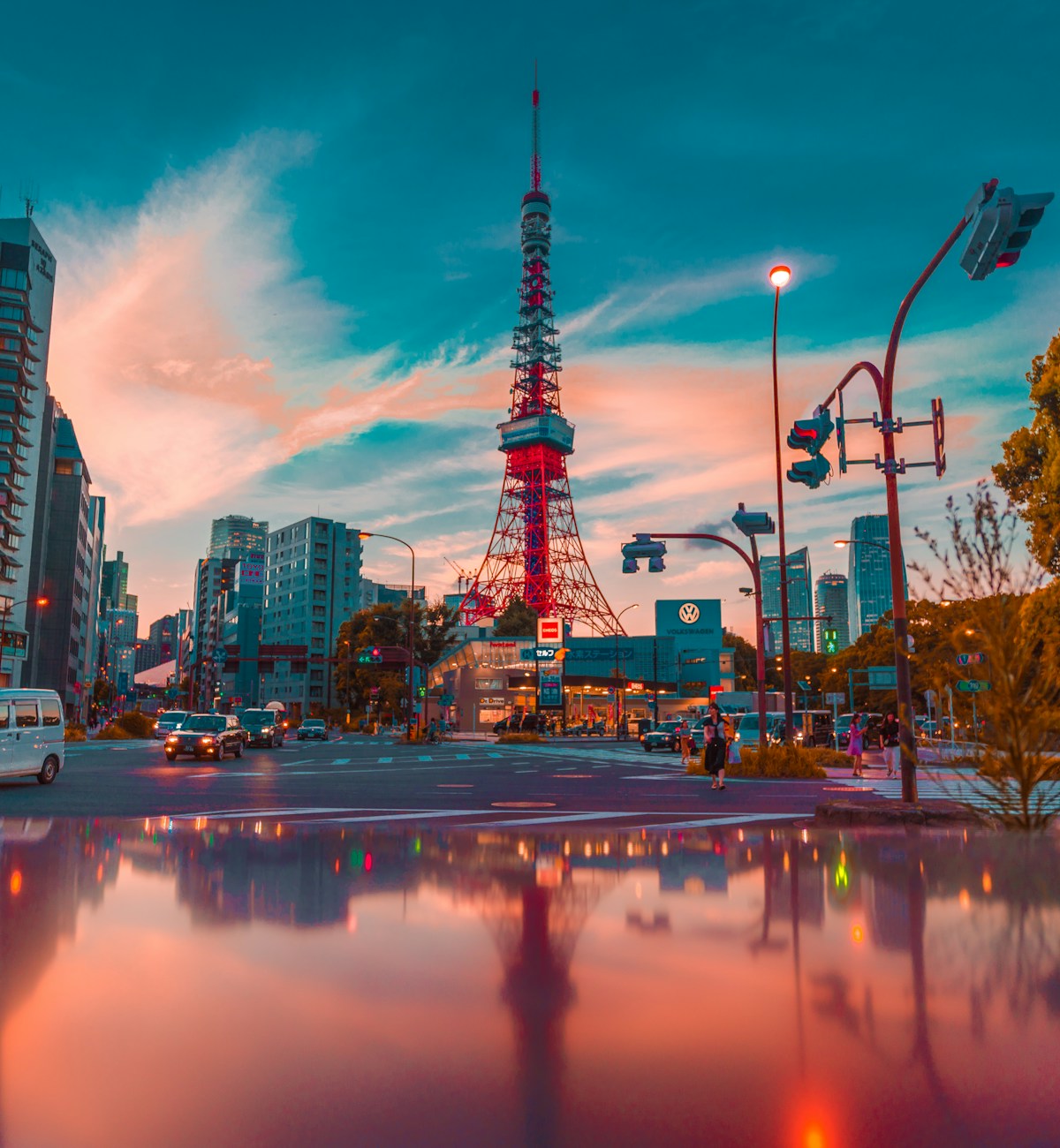
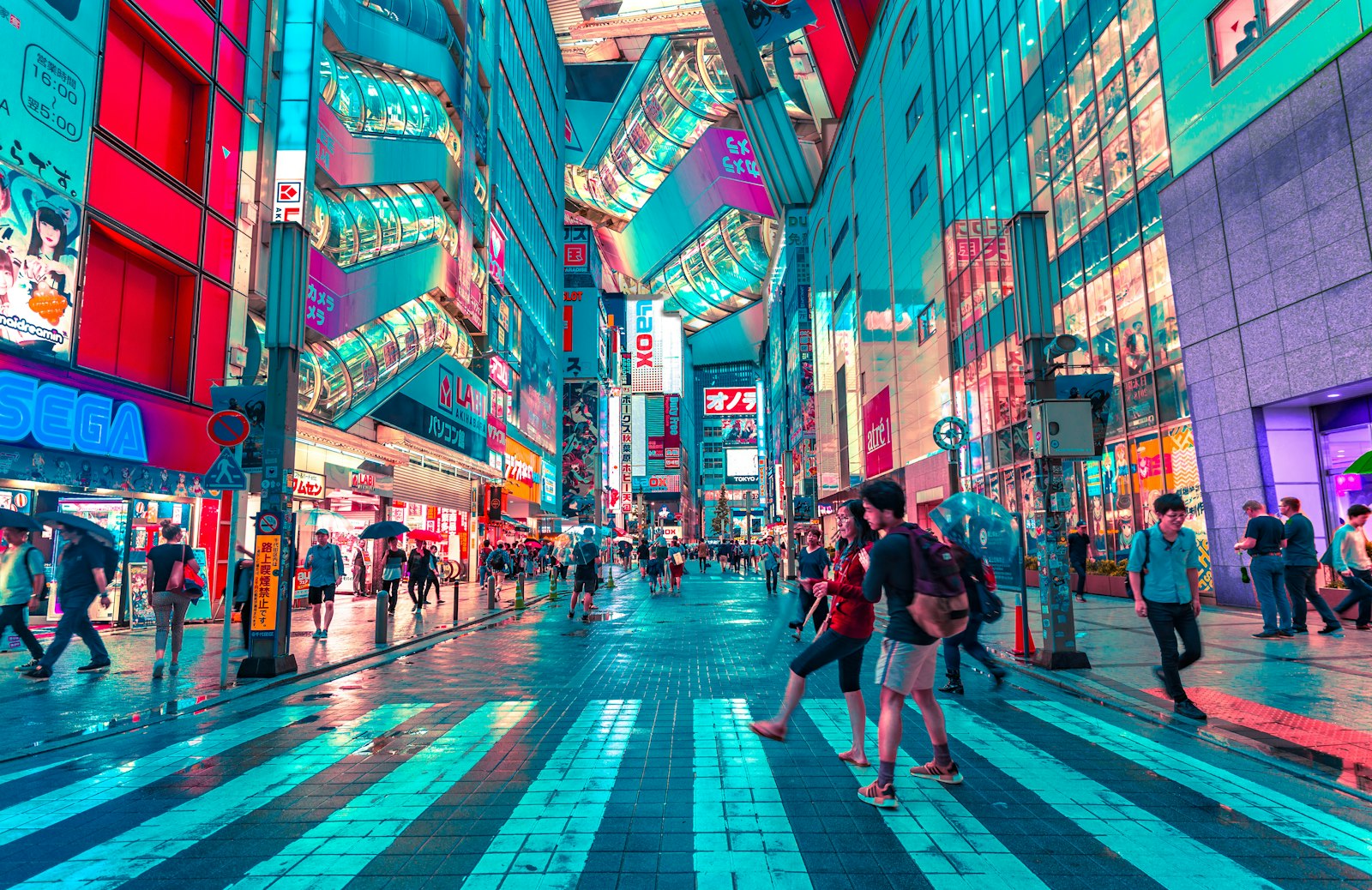
Japan has a reputation for being expensive. And sure, you can blow your budget at a Michelin-starred kaiseki dinner or a luxury ryokan in Hakone. But Japan is also one of the most value-packed destinations in Asia — if you know how to travel there.
This Japan travel budget guide for 2026 breaks down the real costs of a Japan trip by travel style: budget backpacker, comfortable mid-range, and full luxury. We’ll cover accommodation, food, transport, activities, and the hidden costs most guides forget to mention.
Table of Contents
- 1. Quick Answer: How Much Does Japan Cost?
- 2. Budget Breakdown by Travel Style
- 3. Accommodation Costs in Japan
- 4. Food Costs: Cheap Eats to Fine Dining
- 5. Transportation Costs in Japan
- 6. Activities & Attractions in Japan
- 7. Money-Saving Tips for Japan Travel
- 8. Sample Trip Budgets: 1 Week and 2 Weeks
- 9. Hidden Costs to Budget For
- Ready to Plan Your Japan Budget Trip?
1. Quick Answer: How Much Does Japan Cost?
Here’s the honest one-week Japan trip estimate before we go into detail:
| Travel Style | Daily Budget | 7-Day Trip (Approx.) |
|---|---|---|
| Budget Backpacker | $55–80/day | $400–560 + flights |
| Mid-Range Traveler | $130–220/day | $900–1,540 + flights |
| Luxury Traveler | $350–700+/day | $2,450–5,000+ + flights |
These estimates cover accommodation, food, local transport, and entry fees. They do not include international flights (typically $500–1,400 return from the US/Europe), travel insurance, or shopping.
2. Budget Breakdown by Travel Style
The Backpacker
Hostel dorms, konbini meals, local trains, free temples. Japan is extremely backpacker-friendly and safe. You’ll live well on this budget.
The Comfortable Traveler
Business hotel or boutique inn, sit-down restaurants twice a day, occasional paid attractions, maybe a bullet train day trip.
The Splurger
Ryokan with kaiseki dinners, Shinkansen everywhere, fine dining, private tours, premium experiences like teamLab or Universal Studios Japan.
Most first-time visitors to Japan land comfortably in the mid-range. Japan’s sweet spot — where quality dramatically exceeds price — is in this middle tier.
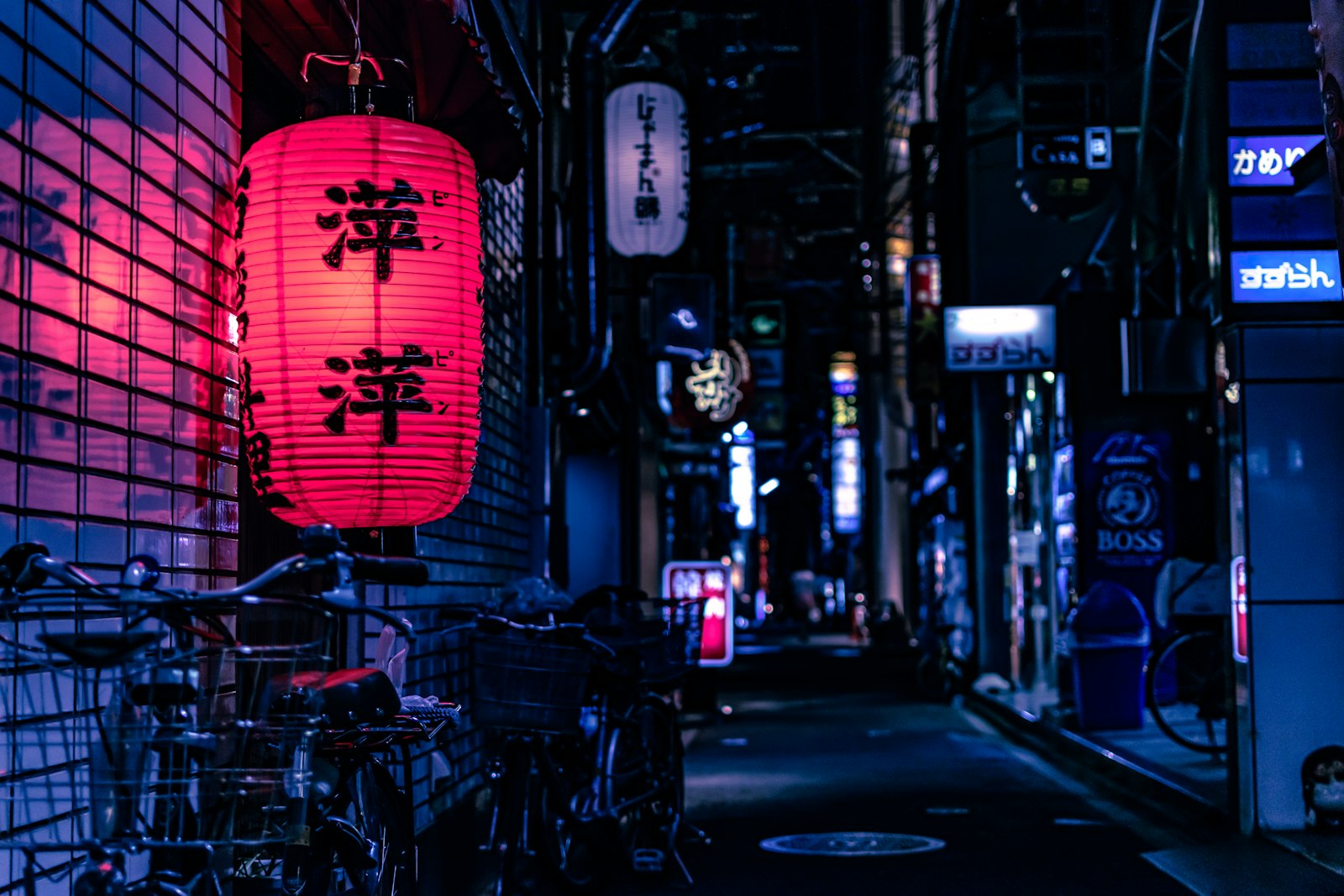
Japan’s convenience stores (konbini) are a budget traveler’s best friend — hot food, fresh snacks, and coffee under ¥1,000. Photo: Unsplash
3. Accommodation Costs in Japan
Japan has an exceptional range of accommodation options at every price point.
Budget Accommodation (¥2,500–7,000/night)
- Hostel dorms: ¥2,500–4,500/night in Tokyo, cheaper in regional cities
- Capsule hotels: ¥3,000–6,000/night — uniquely Japanese, great value
- Manga cafés (manga kissa): ¥1,500–3,000 for an overnight “booth” — an emergency option, not for everyone
Mid-Range Accommodation (¥8,000–18,000/night)
- Business hotels: ¥8,000–15,000/night — clean, compact, excellent WiFi, usually includes breakfast option. Toyoko Inn, APA, Dormy Inn are reliable chains.
- Guesthouses (minshuku): ¥7,000–12,000/night — family-run B&Bs, especially common in rural areas
- Economy ryokan: ¥10,000–18,000/night with meals — traditional Japanese inn experience at an accessible price
Luxury Accommodation (¥25,000–150,000+/night)
- High-end ryokan: ¥30,000–150,000/night per person with two meals — the quintessential Japan luxury experience
- International hotel chains: Park Hyatt, Aman, Four Seasons — ¥50,000–200,000+/night
4. Food Costs: Cheap Eats to Fine Dining
Food is where Japan genuinely surprises budget travelers. You can eat exceptionally well in Japan for very little money.
Budget Eating (¥500–1,500 per meal)
- Convenience store meals: ¥300–700 for a full meal — onigiri, sandwiches, hot foods, noodles
- Gyudon (beef rice bowl): ¥400–600 at Yoshinoya, Sukiya, Matsuya chains
- Ramen: ¥800–1,200 for a full bowl at a standard shop
- Soba/udon: ¥500–900 at stand-up noodle shops (tachigui soba)
- Kaiten-zushi (conveyor belt sushi): ¥100–200 per plate — great quality at chains like Sushiro and Kura Sushi
Mid-Range Eating (¥1,500–5,000 per meal)
- Sit-down ramen or izakaya: ¥1,500–3,000 including drinks
- Teishoku (set meals): ¥1,000–2,000 with rice, miso soup, pickles
- Tonkatsu, tempura, yakitori restaurants: ¥2,000–4,000 per person
High-End Dining (¥10,000–50,000+)
- Kaiseki (multi-course traditional dinner): ¥15,000–50,000 per person
- High-end sushi (omakase): ¥20,000–80,000 per person
- Michelin-starred restaurants: ¥30,000–120,000 per person
Japan’s ramen shops offer world-class food for under ¥1,200 — one of the best budget dining experiences on earth. Photo: Unsplash
5. Transportation Costs in Japan
Transport is where your budget strategy matters most. Getting this right can save you hundreds of dollars.
Within Tokyo (and Other Major Cities)
Tokyo’s subway and trains are excellent and affordable. A typical one-way trip costs ¥200–380. Using an IC card (Suica or Pasmo) is the most convenient way to pay — it works on virtually all trains, buses, and even some convenience stores.
- Daily city transport budget: ¥500–1,500 in Tokyo
- 24-hour metro pass: ¥600 (Tokyo Metro only)
Intercity Travel: Shinkansen (Bullet Train)
| Route | One-Way Cost |
|---|---|
| Tokyo → Kyoto (Hikari/Nozomi) | ¥13,600–14,000 (~$90–95) |
| Tokyo → Osaka | ¥14,720–15,000 (~$97–100) |
| Tokyo → Hiroshima | ¥19,440 (~$127) |
| Kyoto → Hiroshima | ¥11,200 (~$74) |
Is the JR Pass Worth It in 2026?
The JR Pass has become less universally worthwhile since the 2023 price increase. Whether it’s worth it depends entirely on your itinerary:
- Worth it if: You’re traveling Tokyo → Kyoto → Osaka → Hiroshima → Fukuoka in 7–14 days (break-even is around ¥50,000 worth of travel)
- Skip it if: You’re staying mostly in Tokyo/Osaka, or making just one or two intercity trips
7-day JR Pass (Ordinary): ¥50,000 (~$330) | 14-day: ¥80,000 (~$527)
6. Activities & Attractions in Japan
Free or Low-Cost Attractions
- Shrines and many temples: Free (Fushimi Inari, Senso-ji outer grounds, Meiji Shrine)
- Public parks: Yoyogi Park, Shinjuku Gyoen (¥500 entrance), Ueno Park (free)
- Tsukiji Outer Market: Free to walk, eat affordably
- Neighborhoods to explore: Yanaka, Shimokitazawa, Nishiki Market (Kyoto) — free
Paid Attractions
- Asakusa Senso-ji (inner precincts): ¥0–200
- Tokyo National Museum: ¥1,000
- teamLab (digital art museums): ¥3,200–4,000
- Kyoto shrines (Kinkaku-ji, Ginkaku-ji): ¥400–500 each
- Hiroshima Peace Memorial Museum: ¥200
Splurge Experiences
- Universal Studios Japan: ¥8,400–10,600 (without Express Pass)
- DisneySea: ¥9,400–10,900
- Nikko day trip: ¥7,000–15,000 including transport and entry
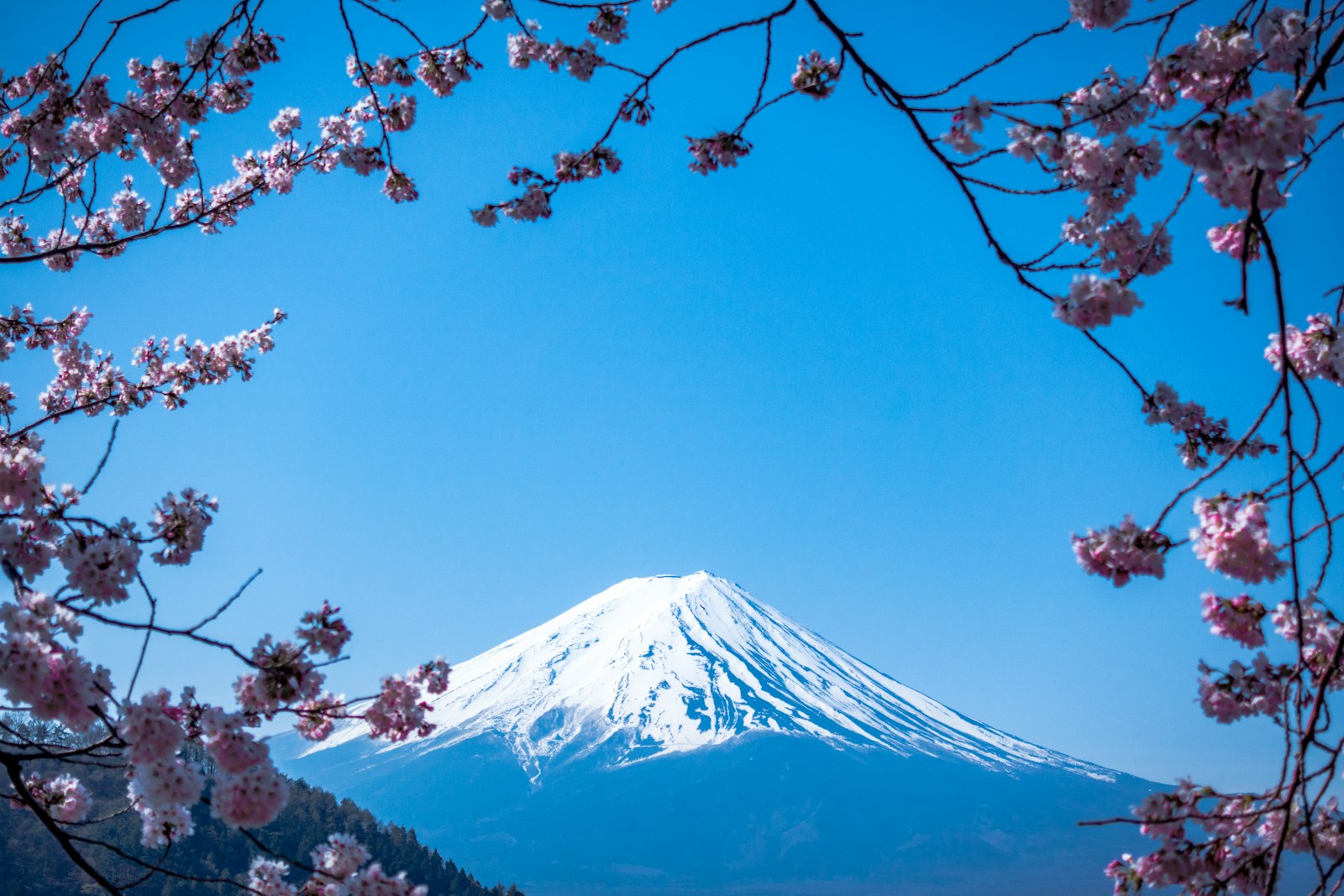
- Mount Fuji area day trip: ¥6,000–12,000 from Tokyo
Many of Japan’s most iconic temples and shrines — like Fushimi Inari — are completely free to visit. Photo: Unsplash
7. Money-Saving Tips for Japan Travel
Timing Your Visit
Cherry blossom season (late March–early April) and Golden Week (late April–early May) are peak periods with higher accommodation prices. The cheapest times to visit are late January–February (cold but low crowds) and November–early December (beautiful autumn leaves, lower prices than peak).
Food Budget Hacks
- Eat at convenience stores (7-Eleven, FamilyMart, Lawson) for breakfast and snacks — quality is genuinely excellent
- Look for set lunch menus (ランチ) at restaurants that would be expensive at dinner
- Department store basements (depachika) offer premium prepared food at reasonable prices, especially after 6pm when they discount remaining stock
- Standing noodle shops near train stations offer the fastest, cheapest hot meals
Transport Savings
- Use a Suica or Pasmo IC card for all local transport — always slightly cheaper than buying individual tickets
- Walk more — Japan’s city centers are extremely walkable and interesting at street level
- Consider overnight buses for long routes (saves a night’s accommodation too)
8. Sample Trip Budgets: 1 Week and 2 Weeks
One Week — Budget Traveler (–80/day)
| Category | Daily Cost | 7-Day Total |
|---|---|---|
| Hostel dorm | ¥3,500 | ¥24,500 |
| Food (konbini + budget restaurants) | ¥2,000 | ¥14,000 |
| Local transport | ¥1,000 | ¥7,000 |
| Activities/entry fees | ¥500 | ¥3,500 |
| Tokyo → Kyoto Shinkansen (one-way) | ¥14,000 (once) | |
| Total (excl. flights) | ~¥63,000 (~$415) | |
One Week — Mid-Range Traveler (0–220/day)
| Category | Daily Cost | 7-Day Total |
|---|---|---|
| Business hotel (private room) | ¥11,000 | ¥77,000 |
| Food (mix of restaurants) | ¥4,500 | ¥31,500 |
| Local transport | ¥1,500 | ¥10,500 |
| Activities/entry fees | ¥2,000 | ¥14,000 |
| JR Pass (7-day) | ¥50,000 (covers all Shinkansen) | |
| Total (excl. flights) | ~¥183,000 (~$1,200) | |
9. Hidden Costs to Budget For
- Travel insurance: $40–120 for a 2-week trip — essential, especially for medical care
- eSIM or pocket WiFi: ¥500–2,000/day for pocket WiFi, or $5–15 for an eSIM data plan from Airalo. See our Japan travel apps guide.
- Luggage forwarding (takkyubin): ¥1,500–2,500 per bag per delivery
- Cash withdrawal fees: Using a foreign card at 7-Eleven or Japan Post ATMs typically costs ¥110–220 per transaction
- Shopping: Japan is a shopper’s paradise. Budget for it. Seriously.
💰 Complete Japan Travel Budget: Bottom Line
Budget traveler: Budget ¥50,000–60,000 (~$330–400) for 7 days on the ground (excluding flights and shopping).
Mid-range traveler: Budget ¥150,000–200,000 (~$1,000–1,300) for 7 days (excluding flights).
Luxury traveler: Budget ¥400,000–700,000+ (~$2,600–4,600) for 7 days (excluding flights).
The weakened yen makes Japan genuinely better value than it’s been in decades. 2026 is an excellent year to go.
Want to plan the rest of your Japan trip? Check out our complete guides on must-have Japan travel apps, how to use IC cards, riding trains in Japan, and our Japan packing list.
Ready to Plan Your Japan Budget Trip?
Browse all our Japan travel guides — from transport tips to money-saving strategies.
Explore Japan Guide Tips →📅 Ready to plan your trip? See our 10-Day Japan Itinerary — complete day-by-day guide with budget breakdowns.
コメント