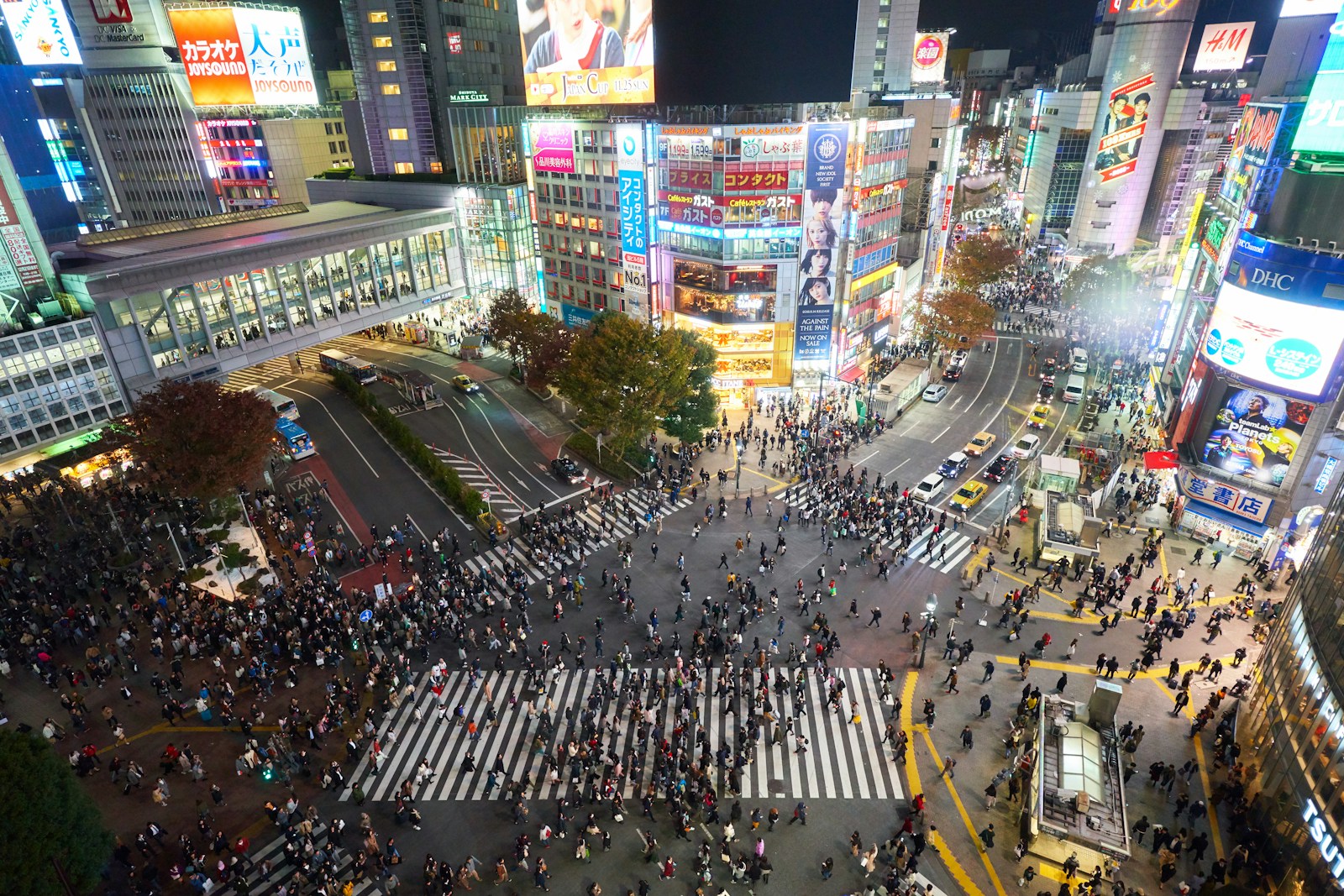
Japan is one of the most exciting destinations in the world — but it’s also one of the most rapidly changing. Rules have been updated, new apps have launched, payment systems have evolved, and tourist behavior expectations have tightened. If your knowledge of Japan is based on a trip from a few years ago, or advice from old travel forums, there’s a good chance some of what you “know” is no longer accurate.
We’ve compiled 20 genuinely important things that have changed or that first-timers consistently get wrong in 2026 — from planning before you fly to navigating daily life on the ground. Read this before you land, and you’ll arrive better prepared than 90% of visitors.
📋 In This Guide
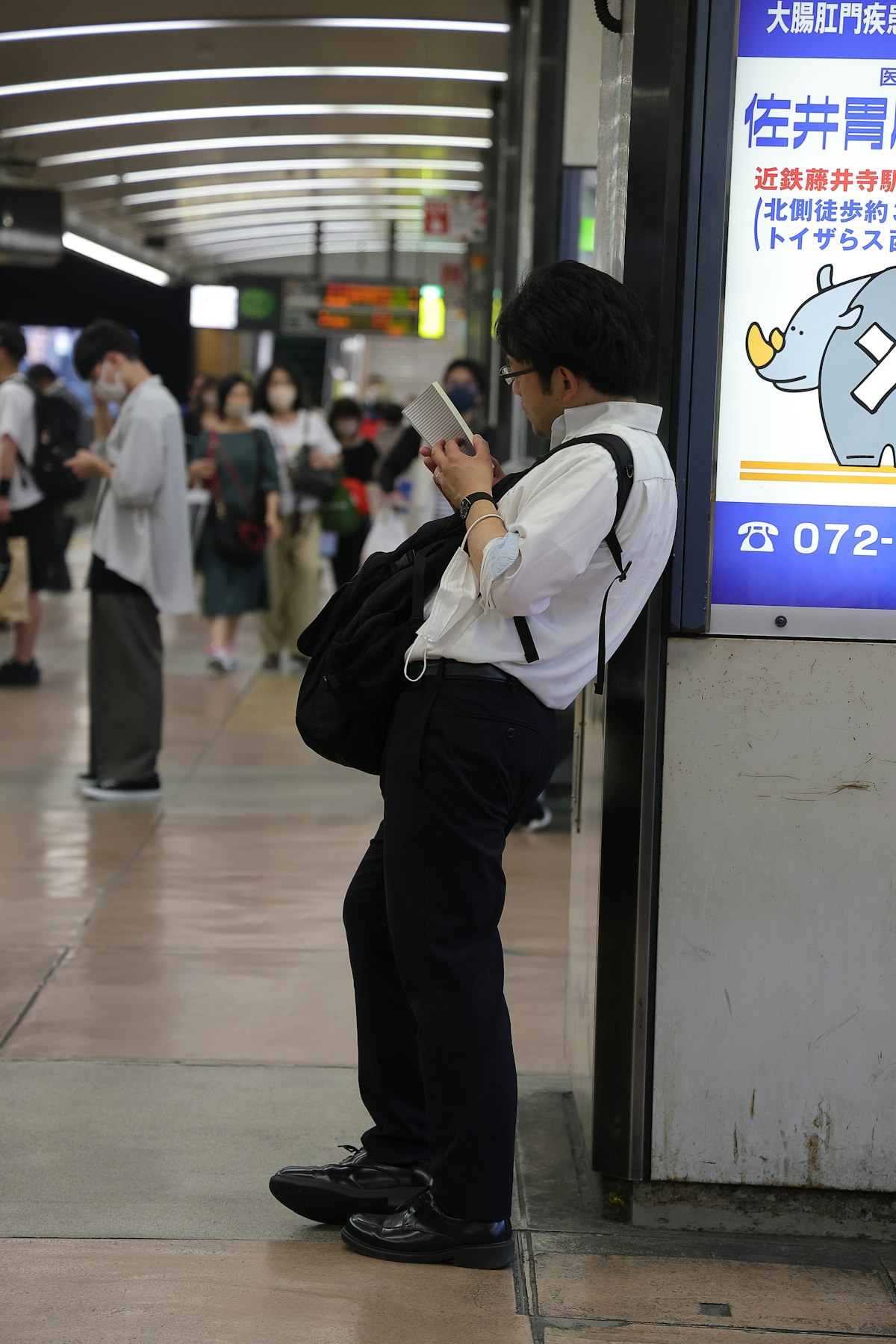
Japan station life — smartphone navigation is now essential. Photo: Vien Dinh / Unsplash
✈️ Before You Fly: Digital Prep
Register on Visit Japan Web Before You Land
Japan now offers a digital entry system called Visit Japan Web, which lets you pre-register customs and immigration declarations online. Completing this before your flight generates a QR code that significantly speeds up the entry process at major airports. It’s not mandatory, but at busy periods (Golden Week, cherry blossom season), it can save you 30–60 minutes in queue. Set it up at least 3 days before arrival.
Get an eSIM Before You Board — Not After
The days of hunting for a SIM card at Narita or Kansai airport are over. In 2026, buying a Japan data eSIM from services like Airalo, IIJmio, or your home carrier is the standard approach. Activate it on the plane and you’ll have working data the moment you land — including access to Google Maps, translation apps, and your hotel confirmation. Pocket WiFi rentals still exist, but eSIM is faster, cheaper, and simpler for most travelers.
Download Offline Maps and Language Packs Before You Go
Even with an eSIM, you’ll hit dead spots in train stations and underground areas. Download Google Maps offline areas for Tokyo, Kyoto, and Osaka — and download the Japanese language pack in Google Translate for offline camera translation. Do both at home on strong Wi-Fi, not at the airport.
Book Major Attractions Months in Advance
Japan’s tourist volumes have hit record highs in 2025–2026. The Fushimi Inari path at sunrise, teamLab digital art museums, the Arashiyama bamboo grove, popular ramen shops — many require advance reservations that sell out weeks or months ahead. Use Klook or official attraction websites to book time-slot entries before you fly. Same-day availability for top spots is increasingly rare.
Google Translate — Camera Mode is the Key Feature
Point your camera at any Japanese text and watch it translate in real-time. Menus, signs, vending machines, train timetables — this single feature removes the biggest anxiety of Japan travel. Download the Japanese pack offline before your trip.
Install Safety Tips — Japan’s Emergency Alert App
Japan sits on the Pacific Ring of Fire. The Safety Tips app (Japan Tourism Agency) delivers real-time earthquake, tsunami, and severe weather alerts in English. This isn’t optional — it’s the app you install and hope you never need. Available for free on iOS and Android.
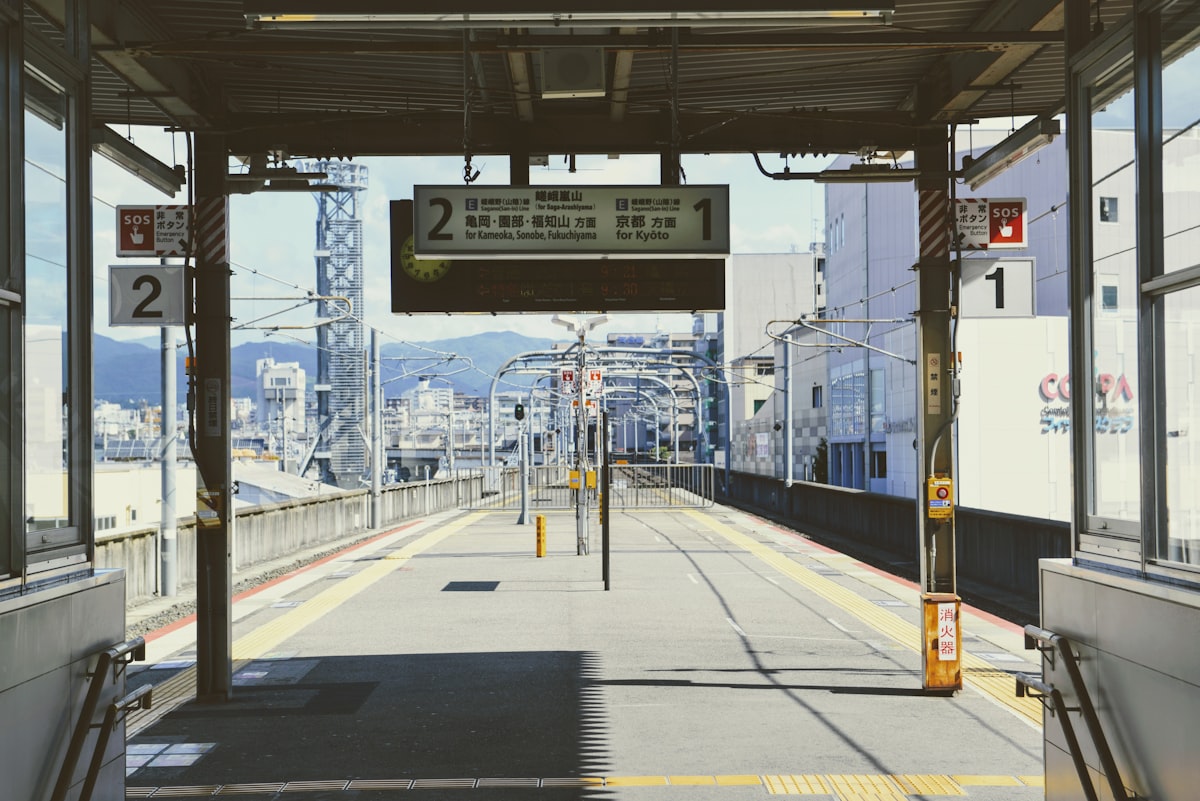
Japan’s IC card gates — tap your phone and walk straight through. Photo: Buddy AN / Unsplash
💳 Money & Cashless Payments
Suica Now Works Directly on Your Phone — No Physical Card Needed
Since 2023, international tourists can add Welcome Suica directly to Apple Wallet or Google Wallet without visiting a station. Load it with your overseas credit card, and tap your phone at every train gate, convenience store, and vending machine across Japan. In 2026, this is by far the most friction-free way to handle transit and small daily purchases. Set it up before landing.
Suica vs. Pasmo — Which Should You Get?
For most tourists, Suica is the better choice — it’s accepted nationwide on JR East, Tokyo Metro, Osaka subway, and nearly all transit networks. Pasmo covers essentially the same networks but is managed by a different consortium. Either works; Suica has the wider digital wallet integration in 2026.
PayPay Registration Is Now Possible With a Foreign Phone Number
PayPay — Japan’s dominant QR-code payment platform used at over 4 million locations — now allows international visitors to register with a foreign phone number and link an overseas Visa or Mastercard. This is a significant change from even a year ago. Local restaurants, izakayas, and smaller shops that don’t take foreign credit cards often do accept PayPay. Spend 10 minutes setting it up before you land.
Some Foreign Credit Cards Now Work at More Places
Visa and Mastercard contactless acceptance has expanded significantly across Japan in 2025–2026, driven partly by tourism infrastructure upgrades ahead of the 2025 Osaka Expo. Many convenience stores, chain restaurants, and department stores now accept foreign cards via tap-to-pay. However, smaller independent shops remain cash-preferred. The safest approach: carry Suica for transit and small purchases, your credit card for larger items, and some cash for emergencies.
The JR Pass Has Changed — Check If It’s Still Worth It for Your Trip
The JR Pass price increased significantly in 2023, and as of 2026, it’s only cost-effective for travelers making multiple long-distance Shinkansen journeys. For trips concentrated in Tokyo or Osaka, or with only one Shinkansen leg, individual tickets are often cheaper. Use the Japan Travel by Navitime app to calculate actual costs for your specific itinerary before purchasing a JR Pass.
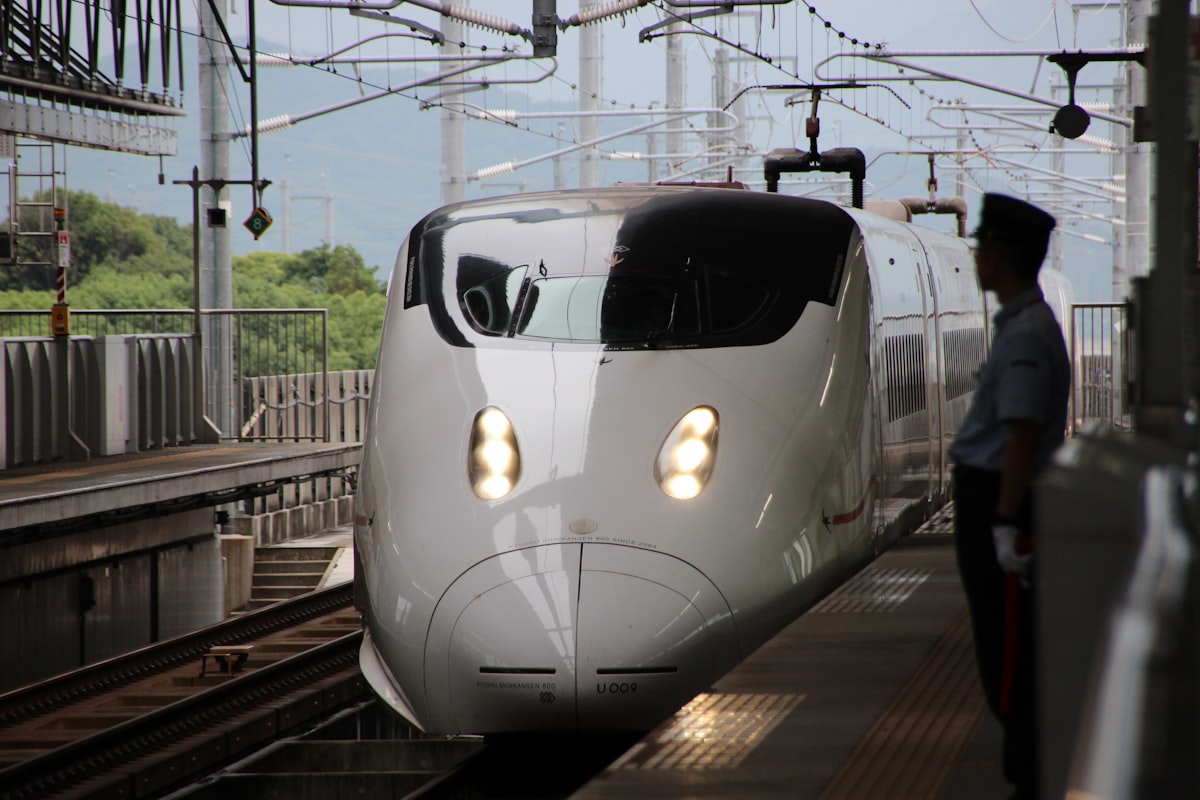
The Shinkansen network connects Japan’s major cities at speeds up to 320km/h. Photo: henry perks / Unsplash
🚄 Getting Around Japan
Book Shinkansen Seats With SmartEX — Not at the Station
Standing in line at JR ticket windows is increasingly unnecessary. SmartEX is JR Central’s official app for booking reserved Shinkansen seats on the Tokaido, Sanyo, and Kyushu Shinkansen lines — the routes connecting Tokyo, Nagoya, Kyoto, Osaka, and beyond. You can book from outside Japan, receive mobile QR tickets, and board without printing anything. For the most popular trains during holidays, reserve seats weeks in advance.
Navitime for Japan Travel — The Most Accurate Transit Planner
While Google Maps handles most navigation needs, Navitime for Japan Travel gives you deeper data: JR Pass compatibility, reserved vs. unreserved car options, and correct fares across different operators. Essential if you’re doing a multi-city trip.
Luggage Forwarding Is a Game-Changer — Use Ecbo Cloak or Yamato
Japan’s takkyubin (luggage forwarding) services let you send your bags from your hotel directly to your next hotel or the airport — typically by the following morning, for ¥1,500–2,500 per bag. Exploring Kyoto without rolling a suitcase through temple paths is a completely different experience. Yamato Transport desks are found at most hotel lobbies and convenience stores. The Ecbo Cloak app also lets you book luggage storage at shops across Japan.
Taxis Are Now More Accessible With GO and Uber
Hailing a taxi on the street still works, but the GO app (Japan’s largest taxi-hailing platform) and Uber Japan make it possible to book rides in Japanese cities with an English interface. Prices are metered and regulated — expect ¥700–800 for the flag fall. Taxis are particularly useful late at night after trains stop, or for short hops with heavy luggage.

Kyoto’s temples draw millions of visitors — some areas now have strict photography and access rules. Photo: Cosmin Georgian / Unsplash
🎌 Daily Life & Etiquette Updates
Some Popular Areas Now Have Tourist Restrictions
Overtourism has prompted real changes. Fuji-Q and the iconic Lawson convenience store near Mt. Fuji now have barriers and are actively managed. Parts of Kyoto’s Gion district restrict photography and entry to private alleys. Miyajima Island limits evening visitor numbers during peak season. Check current restrictions for any famous spots on your itinerary — the rules can change seasonally.
Eating and Drinking While Walking Is Still a No-No
Japan’s etiquette around eating in public has not relaxed. Eating while walking is frowned upon in most areas (the exception being festival food stalls where it’s expected). If you buy street food, find a spot to stand and eat before moving on. This applies even in tourist-heavy areas like Asakusa or Dotonbori.
Trash Cans Are Rare — Have a System for Rubbish
Public trash cans remain scarce in Japan. The standard approach: carry a small plastic bag in your day pack for wrappers and receipts. Convenience stores (konbini) have bins that you can use if you’ve made a purchase there. Never leave litter behind — it’s one of the quickest ways to earn disapproving looks from locals.
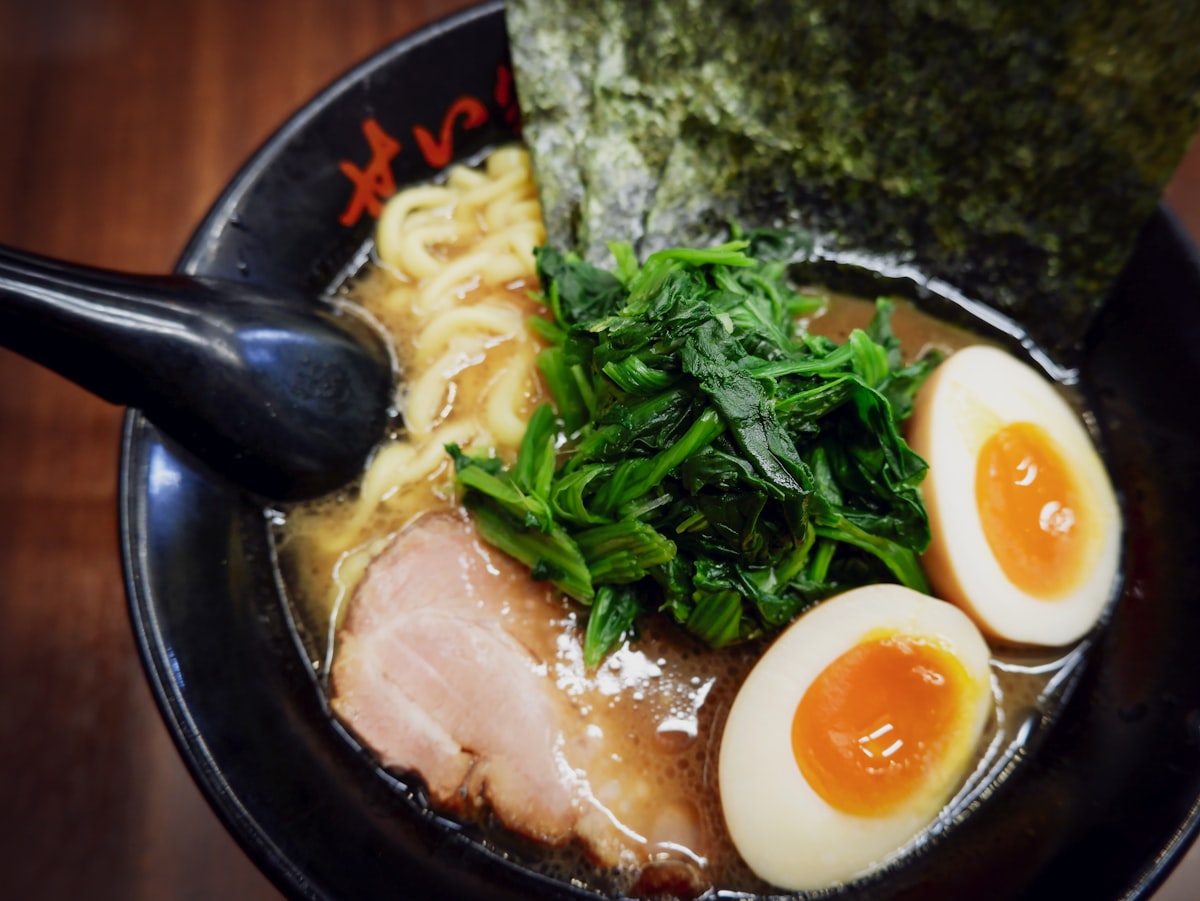
Japan’s food scene is world-class — from street ramen to Michelin-starred counters. Photo: Susann Schuster / Unsplash
🍜 Food & Dining in 2026
Use Tabelog to Eat Where Locals Actually Eat
Tabelog is Japan’s most trusted restaurant review platform, and it’s far more accurate than Western alternatives like Yelp or TripAdvisor for finding quality food. A Tabelog score above 3.5 is genuinely impressive; 4.0+ is elite. The app has English support in 2026. Combine Tabelog with Google Translate’s camera to read menus and you can confidently walk into nearly any restaurant in Japan.
Many Restaurants Require Reservations — Book via Tablecheck or Gurunavi
Popular restaurants in Tokyo and Kyoto — especially ramen shops, sushi counters, and izakayas — now require advance bookings, often through Tablecheck or Gurunavi. Google Maps sometimes links directly to reservation systems. For highly-rated spots (Tabelog 3.8+), book at least 2–4 weeks ahead, especially for weekends.
Convenience Stores Are Genuinely Good — Embrace Them
7-Eleven, FamilyMart, and Lawson in Japan are not like Western convenience stores. They serve hot food, fresh onigiri, craft beer, ATM services, ticket printing, and even decent coffee. Many long-term Japan visitors eat konbini breakfast daily. Don’t skip them out of habit — some of the best value food in Japan is standing in front of a Family Mart hot food counter.
Tipping Is Still Not Done — But Service Has Changed Slightly
Tipping remains firmly not done in Japan — attempting to tip can cause genuine discomfort. However, a growing number of upscale restaurants and hotels now include a service charge (10–15%) explicitly on bills, particularly in tourist-heavy areas. Check your receipt before assuming the listed price is all-inclusive.
Allergen Information Is Now More Accessible Than Ever
Japan’s Food Labeling Act requires clearer allergen labeling at restaurants and food producers. Major chain restaurants now have multilingual allergen menus on request, and QR codes linking to English allergen information are increasingly common. If you have serious food allergies (shellfish, nuts, gluten), use the phrase “Arerugii ga arimasu” (I have allergies) and show a printed allergen card in Japanese.
📊 Quick Reference: 20 Things to Know
| # | What’s Changed / What to Know | Action Required |
|---|---|---|
| 1 | Visit Japan Web digital entry | Register 3+ days before flight |
| 2 | eSIM vs. SIM card | Buy Airalo eSIM before departure |
| 3 | Offline maps & translation | Download at home on Wi-Fi |
| 4 | Attractions sell out weeks ahead | Book via Klook before flying |
| 5 | Safety Tips app — earthquake alerts | Install on iOS or Android |
| 6 | Welcome Suica on your phone | Add to Apple/Google Wallet |
| 7 | PayPay for local shops | Register with overseas phone number |
| 8 | Cash still needed in rural areas | Keep ¥5,000–10,000 available |
| 9 | JR Pass value has changed | Calculate costs on Navitime first |
| 10 | Shinkansen reservations via SmartEX | Book weeks ahead for holidays |
| 11 | Luggage forwarding (takkyubin) | Use Yamato or Ecbo Cloak |
| 12 | GO app & Uber for taxis | Install before late-night travel |
| 13 | Tourist restrictions at some spots | Check rules for Gion, Mt. Fuji |
| 14 | No eating while walking | Find a spot, eat, then move |
| 15 | Carry your own rubbish bag | Small plastic bag in day pack |
| 16 | Tabelog for local restaurants | Install & search by neighborhood |
| 17 | Restaurant reservations needed | Book 2–4 weeks ahead on Gurunavi |
| 18 | Konbini food is great | Embrace 7-Eleven & FamilyMart |
| 19 | No tipping (service charge may apply) | Check your bill carefully |
| 20 | Better allergen information available | Use multilingual menus or allergen cards |
✅ Your Japan 2026 Pre-Trip Checklist
Before you board, make sure you’ve done all of this:
- Register on Visit Japan Web (3+ days before)
- Purchase and activate Japan eSIM (Airalo or IIJmio)
- Download Google Maps offline for Tokyo, Kyoto, Osaka
- Download Japanese language pack in Google Translate
- Add Welcome Suica to Apple Wallet or Google Wallet
- Register PayPay with an overseas phone number and credit card
- Install Safety Tips app (earthquake & disaster alerts)
- Install Navitime for Japan Travel (transit routing)
- Pre-book any time-sensitive attractions via Klook
- Install SmartEX if making Shinkansen reservations
- Check JR Pass vs. individual tickets for your specific route
- Install Tabelog for finding local restaurants
- Check current rules for any restricted sightseeing spots
Ready to Plan the Perfect Japan Trip?
Check out our full guides on Japan travel apps, IC card setup, budgeting, and itinerary planning for first-time visitors.
Explore More Japan Tips →📅 Ready to put it all together? See our complete 10-Day Japan Itinerary — day-by-day guide covering Tokyo, Hakone, Kyoto, Nara, Hiroshima & Osaka.


コメント